
Italy’s Clastix secures €2.9 million to boost European AI infrastructure sovereignty
Naples-based Clastix has raised €2.9 million in seed funding, backed by Mistral and EU-supported capital, to develop sovereign Kubernetes solutions for Europe’s AI sector.

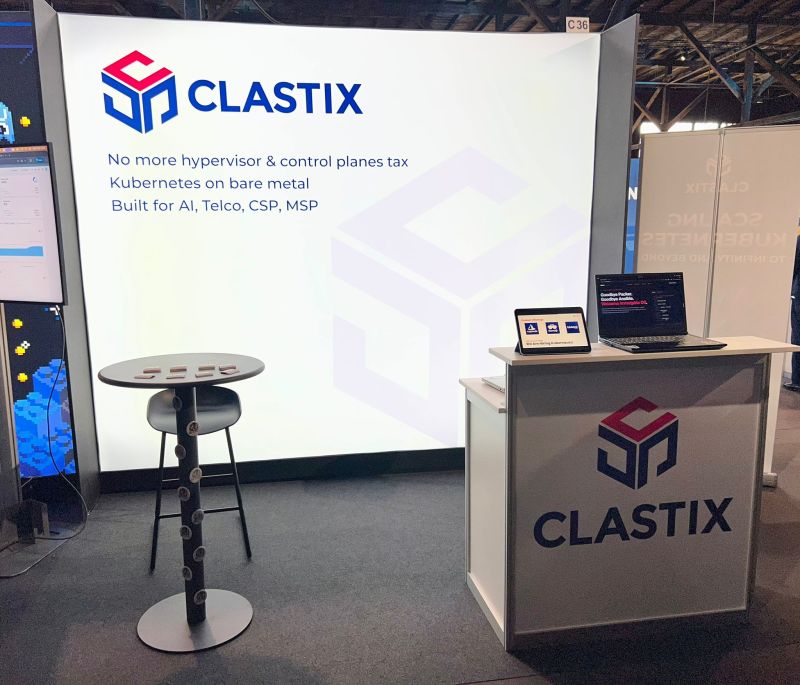
Clastix, the Naples-based infrastructure software company, has secured €2.9 million in Seed funding to accelerate the development of sovereign Kubernetes infrastructure tailored for European enterprises, the company announced on September 24.
The round was led by CDP Venture Capital Sgr, with participation from French AI leader Mistral and Vertis SGR. The Vertis Venture 6 Digital Sud fund draws partial financing from the European Union’s Next-Generation EU programme, underlining the strategic role of EU funding in the tech sector.
Founded in 2020 by Adriano Pezzuto and Dario Tranchitella, Clastix is positioning itself as a European alternative to hyperscaler-dependent infrastructure, a move that could intensify competition in the region’s Kubernetes and AI operations market. The company intends to use the new capital to enhance product development and expand its market presence, with a focus on serving organizations managing AI-scale workloads.
The backing of Mistral, a prominent AI startup, signals growing interest in European-built solutions for critical digital infrastructure. Timothée Lacroix, co-founder and CTO of Mistral, joins a cohort of investors seeking to reduce Europe’s reliance on foreign technology providers.
Alessandro Scortecci, Chief Investment Officer for Direct Investments at CDP Venture Capital, emphasized the significance of Clastix’s mission in advancing technological sovereignty for Europe. By supporting startups like Clastix, the EU aims to foster a more competitive and resilient digital ecosystem, particularly as AI adoption accelerates across the continent.
For Latin American and European stakeholders, the growth of companies like Clastix reinforces the importance of regional control over infrastructure that underpins artificial intelligence and cloud-native applications. This aligns with broader EU efforts to ensure data privacy, regulatory compliance, and strategic autonomy in the digital economy.
While the funding positions Clastix to capture new market segments and attract further investment, the company faces competitive pressure from established global infrastructure providers. Ongoing support from investors and demand for sovereign Kubernetes solutions will be critical to sustaining momentum as the European AI landscape evolves.