Lagarde’s early ECB exit triggers race for successor, raising stakes for eurozone policy
Christine Lagarde’s departure as ECB President in February 2027 opens a high-stakes contest for her successor, with implications for monetary policy amid eurozone stagnation.

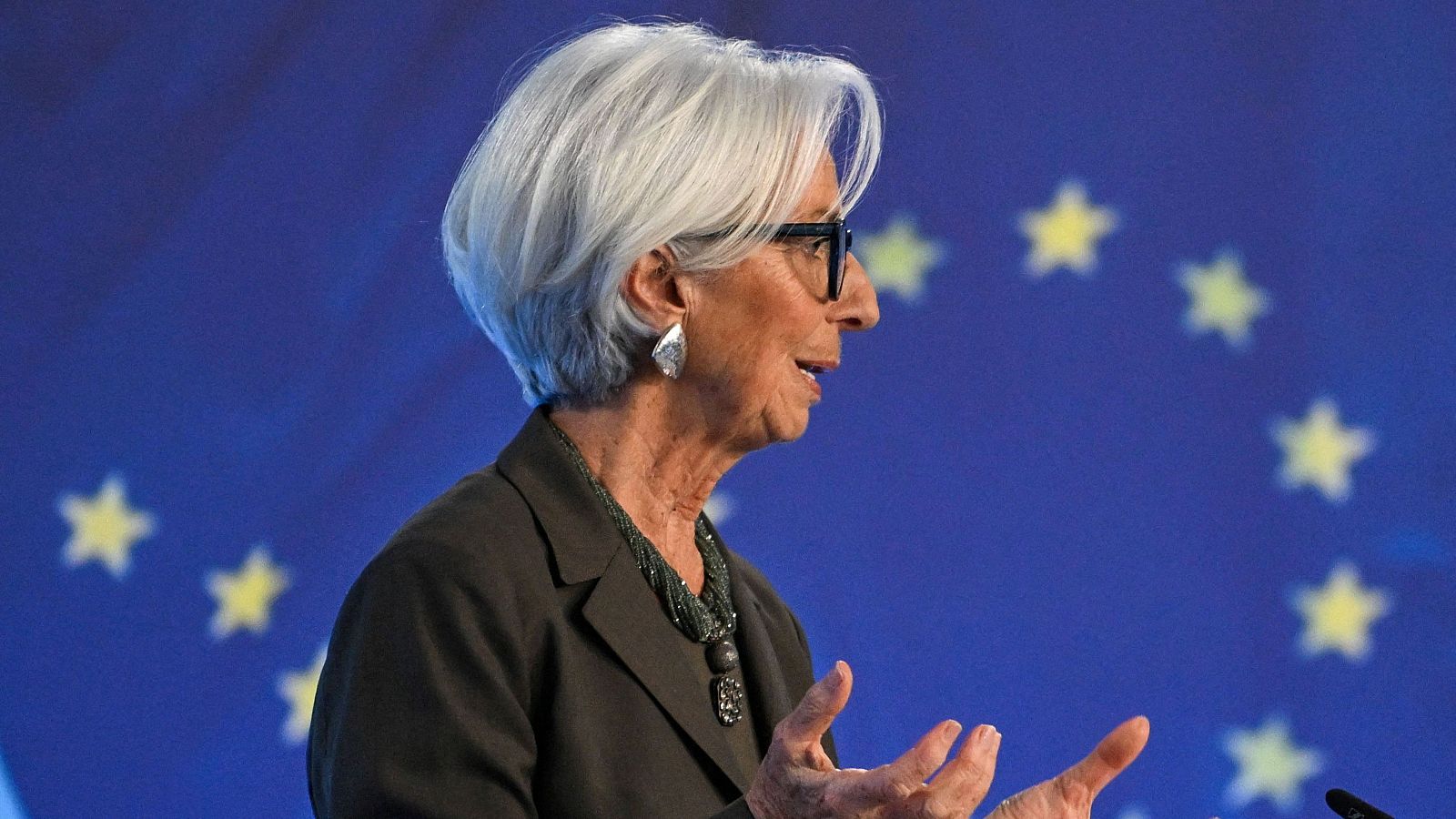
Christine Lagarde will step down as President of the European Central Bank (ECB) on 7 February 2027, nine months before the scheduled end of her term, launching a competitive search for a new leader during a period of economic stagnation in the eurozone.
The announcement, made on Thursday ahead of the ECB's latest interest rate decision, immediately shifts attention to potential successors from the 21 euro-sharing countries. The process, overseen by the European Council and its president António Costa, is expected to be closely watched by investors and policymakers across Europe and Latin America, given the ECB's pivotal role in global financial markets.
Lagarde's early departure raises the risk of increased market volatility. With the ECB's deposit rate held at 2.5%, speculation over the next president's stance on inflation, interest rates, and stimulus measures could reshape expectations in the months ahead. For Latin American economies, which are sensitive to European monetary policy and capital flows, the transition could influence currency stability and access to euro-denominated financing.
Several names have emerged as possible successors. Pablo Hernández de Cos, Spain's central bank governor, is seen as a contender with a reputation for pragmatic policymaking. Klaas Knot of the Netherlands and Joachim Nagel of Germany are also cited as potential candidates, each representing different approaches to monetary tightening and fiscal discipline. The outcome may be shaped by political negotiations, with member states seeking influence over the ECB's direction amid economic headwinds.
The leadership change comes as the eurozone faces sluggish growth and persistent inflation concerns. Lagarde, who took office in 2019, has overseen a period marked by pandemic response, surging energy prices, and a gradual tightening cycle. Her early resignation may prompt calls for a new policy approach as economic challenges persist.
The European Council, with input from Ursula von der Leyen of the European Commission and other EU leaders, will begin the appointment process immediately. The transition could see countries negotiating for broader representation on the ECB Executive Board, potentially shifting the balance of power within the institution.