Lagarde urges early action to secure Europe’s economic sovereignty at Frankfurt banking congress
ECB President Christine Lagarde outlined proactive steps to reduce Europe’s dependencies and strengthen the euro’s global role.

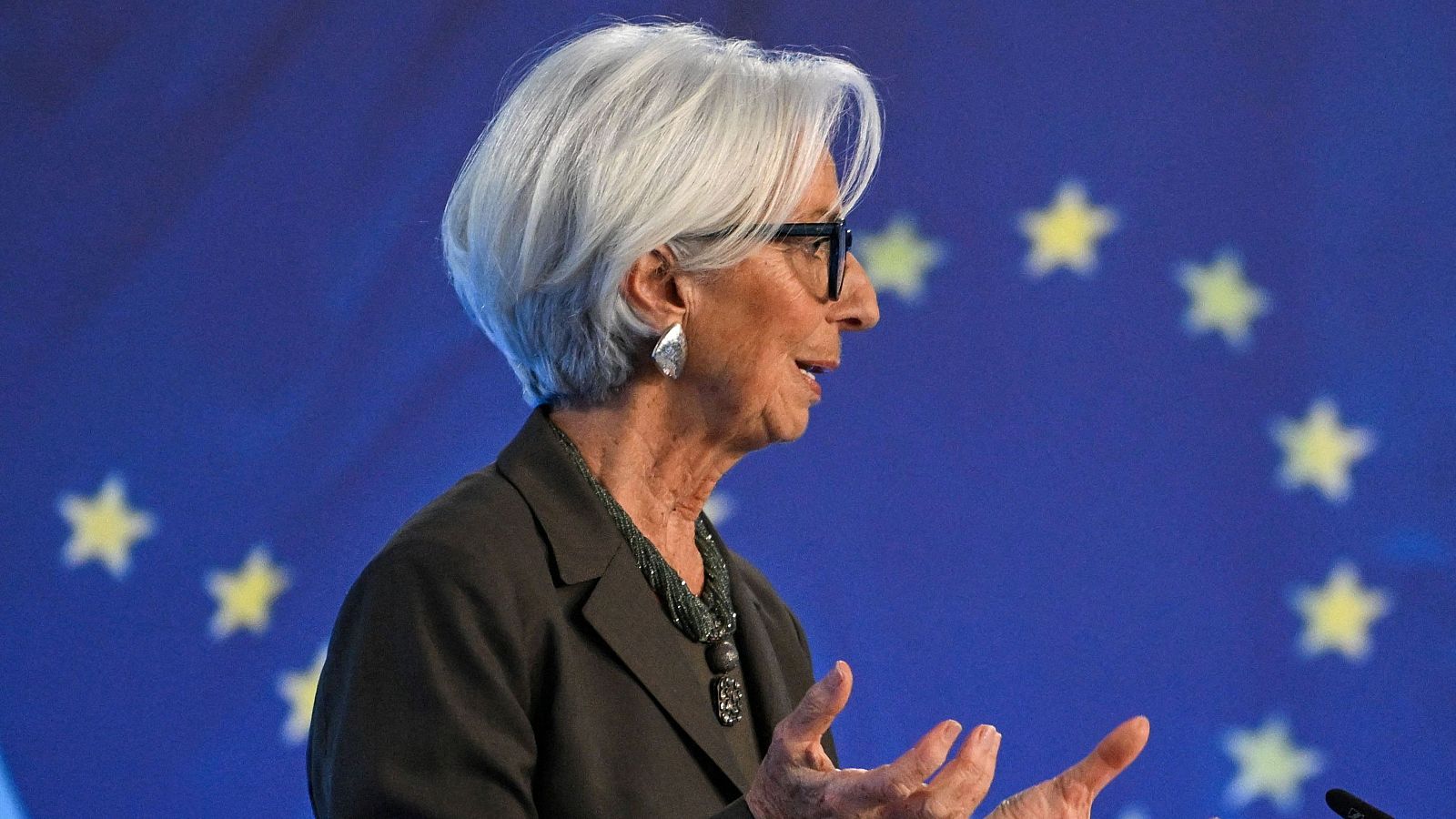
Christine Lagarde, President of the European Central Bank (ECB), called for Europe to act early to protect its economic sovereignty, speaking at the 36th Frankfurt European Banking Congress.
Lagarde warned that Europe faces both longstanding and emerging dependencies that threaten its stability. She pointed to the region’s heavy reliance on external technology and energy, as well as new risks in areas such as artificial intelligence and digital finance.
Highlighting recent policy responses, Lagarde cited the €800 billion EU recovery fund established during the pandemic as evidence of Europe’s ability to act collectively in a crisis. She also noted Germany’s increase in defense spending, describing it as a major strategic shift in the region’s approach to security.
To address future challenges, Lagarde stressed the need for significant investment in technology. She cited an estimated €1.3 trillion required to raise Europe’s share of AI computing capacity from 5% to 15% by 2030. According to Lagarde, this is essential for maintaining competitiveness and reducing reliance on non-European providers.
The ECB is taking steps to strengthen the euro’s international role and modernize Europe’s financial infrastructure. Lagarde referenced the launch of Pontes for tokenized transactions in September 2026 and the permanent establishment of the EUREP repo facility in February 2026. She also noted that the global market for tokenized assets reached €23 billion in March 2026, illustrating the growing importance of digital finance.
Lagarde emphasized that the ECB’s main mandate remains price stability. However, she argued that the bank’s proactive measures in digital payments, tokenized assets, and capital markets could help reduce vulnerabilities and increase Europe’s economic resilience.
The speech signals a shift towards greater self-reliance in the face of geopolitical uncertainty. Lagarde warned that delays in reform could leave Europe more exposed to external shocks. She also acknowledged that resistance from vested interests may slow the push for a deeper capital markets union, but insisted that early, decisive action is necessary to secure Europe’s economic future.
For investors and policymakers, Lagarde’s address underlines the ECB’s commitment to fostering domestic innovation and infrastructure, potentially reshaping the region’s role in global markets.