Mercedes-Benz pivots to '100% China for China' strategy amid shrinking demand
Mercedes-Benz CEO Ola Källenius unveils a strategic overhaul in China, signaling a shift that could reshape competition among automakers.

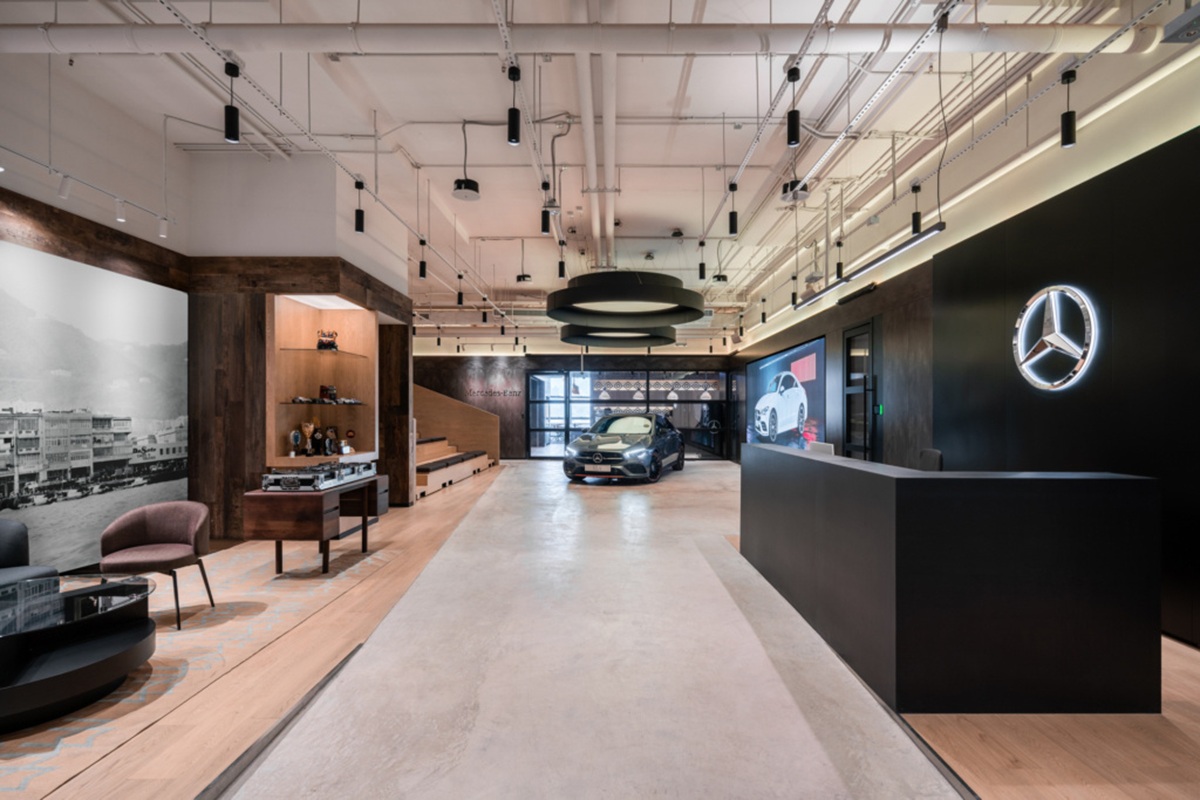
Mercedes-Benz Group AG has announced a major strategic shift in China, with CEO Ola Källenius confirming a move to a "100% China for China" approach as the automaker faces declining demand in the world's largest car market.
The new strategy will see Mercedes-Benz tailor its operations and products exclusively for the Chinese market, departing from its traditional global model. Källenius described the change as a complete overhaul of the group's China business, reflecting the urgency to respond to evolving local consumer preferences and market dynamics.
This pivot underscores the growing importance of localization for multinational automakers in China, where foreign brands are under mounting pressure from domestic competitors and changing consumer trends. By focusing on products and services designed specifically for Chinese customers, Mercedes-Benz aims to bolster brand loyalty and stabilize sales in a challenging environment.
Industry analysts suggest that Mercedes-Benz's decision could set a precedent for other international carmakers operating in China. As the competitive landscape intensifies, rivals may be compelled to adopt similarly localized strategies to maintain relevance and market share.
However, the move carries risks. A stronger reliance on the Chinese market could expose Mercedes-Benz to regional economic fluctuations and regulatory uncertainties. If the new strategy fails to resonate with consumers, the company could face further declines in demand.
At the same time, the approach offers opportunities for growth by aligning more closely with emerging trends in Chinese mobility and technology. The focus on local needs and innovation may give Mercedes-Benz an edge, while also reshaping global supply chains as automakers adjust to more regionalized business models.
For European and Latin American stakeholders, the shift highlights the need to monitor China's influence on global automotive strategies. The outcome of Mercedes-Benz's "100% China for China" approach could determine whether other markets see similar pivots, affecting supply chains, investment flows and competitive dynamics across the industry.