European homeowners urged to plan solar panel installations ahead of 2027 subsidy changes
Experts recommend European homeowners start planning for solar panel installations this winter to avoid potential delays and benefit from current incentives before policy changes in 2027.

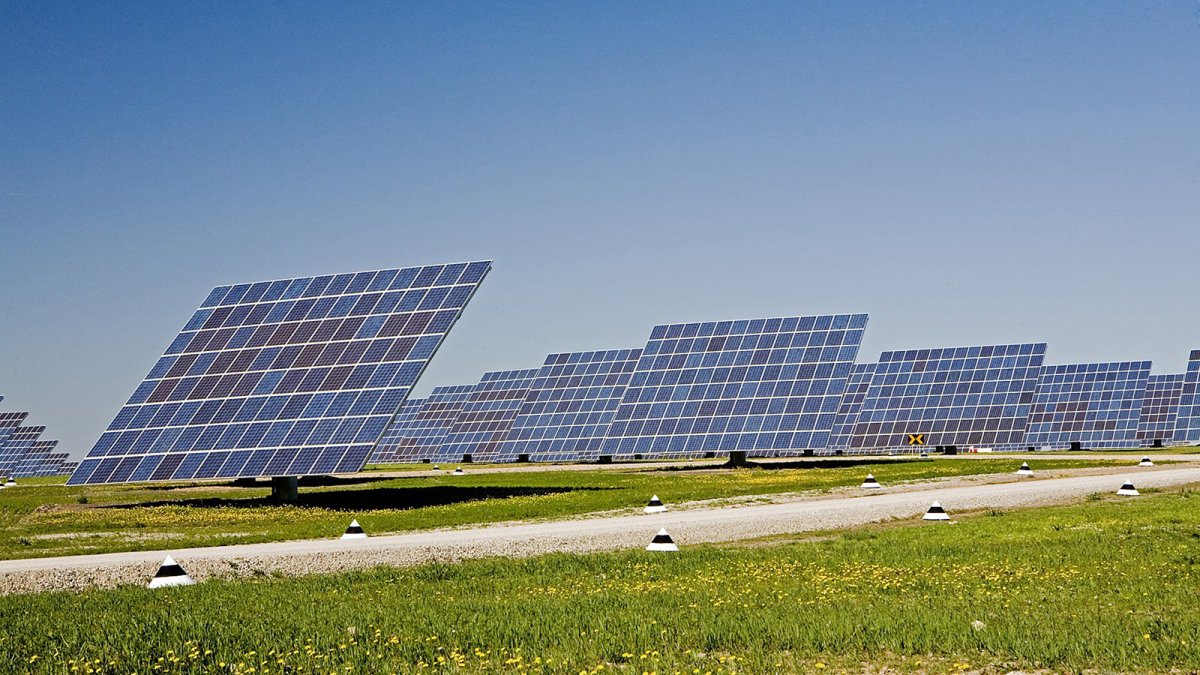
European homeowners are being encouraged to plan solar panel installations during the winter months to take advantage of current incentives before planned changes to subsidies and tax breaks in 2027. According to industry experts, several European countries are preparing to alter solar energy policies, which could affect the financial benefits available to homeowners.
While the installation of rooftop solar panels typically takes just a day or two, the process of securing building permits and grid connection approval can extend over several weeks or even months, depending on the country. An OECD report noted that the time to receive permits for rooftop solar projects varies widely across Europe, from six weeks in Malta to up to ten months in Bulgaria. Some countries, like Bulgaria, have recently eased regulations, but delays remain common in many regions.
In Germany, a consumer watchdog has highlighted that homeowners can wait several months, or in rare cases over a year, to have new solar panels connected to the grid. In the UK, the Solar and Battery Company states that grid connection approval usually takes around four to five weeks under normal conditions. Weather disruptions during winter, such as icy roofs, can further impact installation timelines.
Experts suggest that winter is an ideal time for homeowners to assess their energy needs and compare quotations from solar installers. Installing solar panels before spring can help households benefit from increased solar production in the sunnier months. According to the European Environment Agency, solar power's contribution to electricity supply in the EU rises significantly from winter to spring and summer.
Policy changes are also on the horizon. In England, Scotland, and Wales, the current value-added tax exemption for solar installations will end in April 2027, when the rate will revert to five percent. In Germany, ongoing legislative discussions may affect government support for solar systems, and in Austria, the government plans to shift from grants for solar panels to supporting battery purchases in 2027.
Industry professionals recommend using the winter months to plan ahead, securing installation slots and ensuring all permits and approvals are in place before demand increases closer to the policy deadlines.