TGS Advances Multi-Billion-Euro Investment Plan for Landmark Natural Gas Liquids Project
Argentine energy infrastructure company Transportadora de Gas del Sur (TGS) is moving ahead with its long-term capital expenditure programme for its flagship Natural Gas Liquids (NGL) project, one of the largest energy infrastructure developments in Argentina's history. With a total investment of approximately €2.6 billion, the initiative aims to unlock additional value from Vaca Muerta's natural gas production while significantly expanding the country's export capacity.

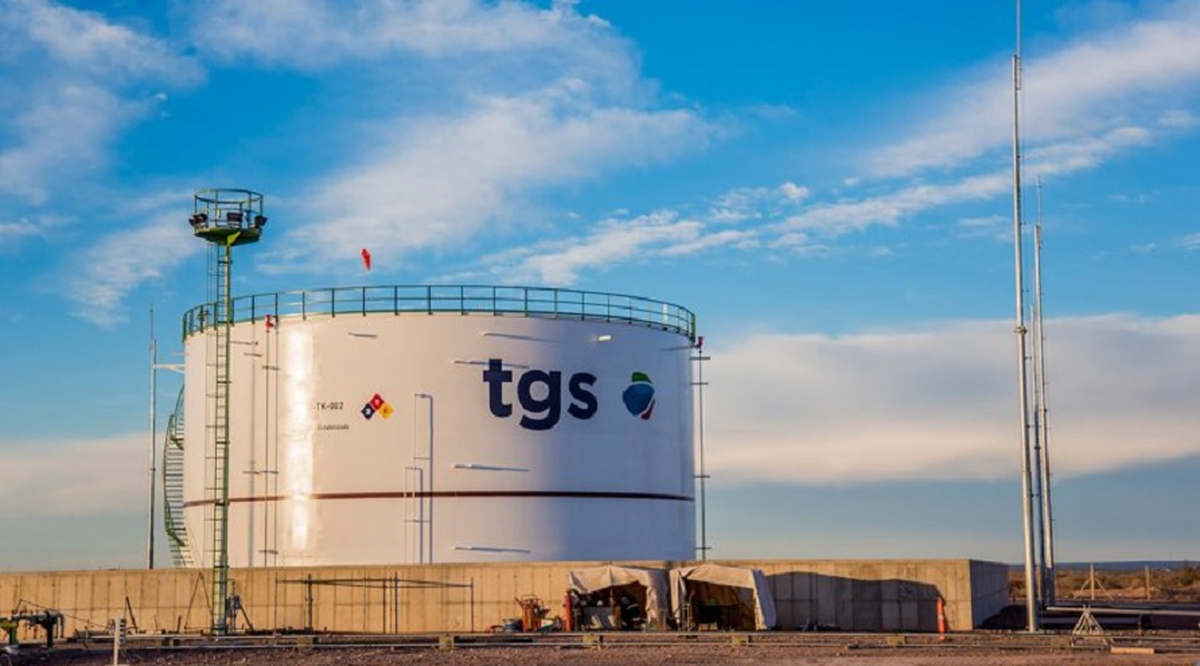
TGS is accelerating preparations for one of Argentina's most ambitious energy infrastructure projects as it advances annual investment plans tied to its large-scale Natural Gas Liquids (NGL) development.
The project, which represents an estimated investment of around €2.6 billion (converted from US$3 billion), is expected to become a cornerstone of Argentina's strategy to increase energy exports and maximize the value of natural gas produced in the Vaca Muerta shale formation.
A strategic project for Vaca Muerta
The NGL project is designed to recover and process valuable liquids extracted from natural gas, creating higher-value export products while addressing infrastructure constraints that could otherwise limit future production growth.
The development includes the construction of new gas processing facilities, dedicated transportation infrastructure, fractionation units, storage facilities and export capabilities linking Tratayén in Neuquén Province with Bahía Blanca, Argentina's principal energy export hub.
Major infrastructure investment
The investment programme encompasses multiple components aimed at expanding the country's midstream energy infrastructure.
Among the planned works are a new gas segregation pipeline, expanded processing capacity at the Tratayén plant, a products pipeline connecting Neuquén with Bahía Blanca, new fractionation facilities, storage terminals and complementary upgrades at the maritime export terminal.
Together, these assets will create an integrated value chain capable of processing and exporting natural gas liquids on a significantly larger scale.
Driving Argentina's export ambitions
TGS estimates the project could generate approximately €1.05 billion in annual exports once fully operational (converted from approximately US$1.2 billion), strengthening Argentina's position as an energy exporter and creating additional foreign currency revenues.
The initiative is also expected to support continued development of Vaca Muerta by removing one of the principal bottlenecks affecting hydrocarbon production and associated gas processing.
Long-term economic impact
Construction is expected to extend over approximately four years, generating around 4,000 direct jobs and an estimated 15,000 indirect jobs across engineering, manufacturing, logistics and supporting industries.
Beyond employment, the project is anticipated to stimulate investment throughout Argentina's energy value chain while strengthening domestic industrial capabilities linked to hydrocarbon processing.
Strengthening partnerships across the energy sector
To secure production volumes for the future facilities, TGS has already signed agreements with leading operators active in Vaca Muerta, including YPF, Pluspetrol and Chevron, covering more than 80% of the project's planned capacity.
The company continues discussions with additional producers as it prepares for the next phases of execution.
A milestone for Argentina's energy industry
The NGL development represents one of the largest private energy investments currently underway in Argentina and reflects growing confidence in the country's unconventional hydrocarbon resources.
As Vaca Muerta continues to expand production, investments in processing and export infrastructure are becoming increasingly important to transform additional natural gas into higher-value products capable of competing in international markets.
The project is expected to enter commercial operation around 2030, reinforcing Argentina's ambition to become one of the leading energy exporters in the region.