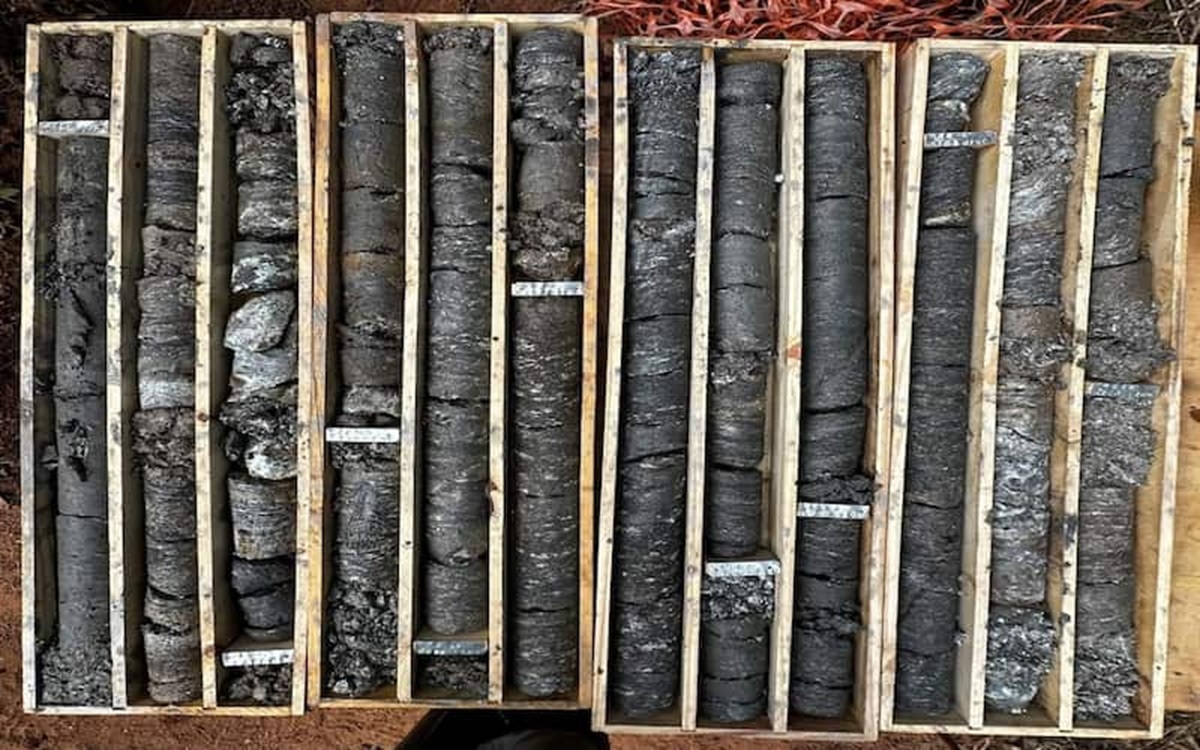
Brazil's critical minerals strategy set to reshape global supply chains and investment flows
Brazil's move to designate 27 critical minerals aims to boost local processing, attract investment and strengthen its role in global supply chains.

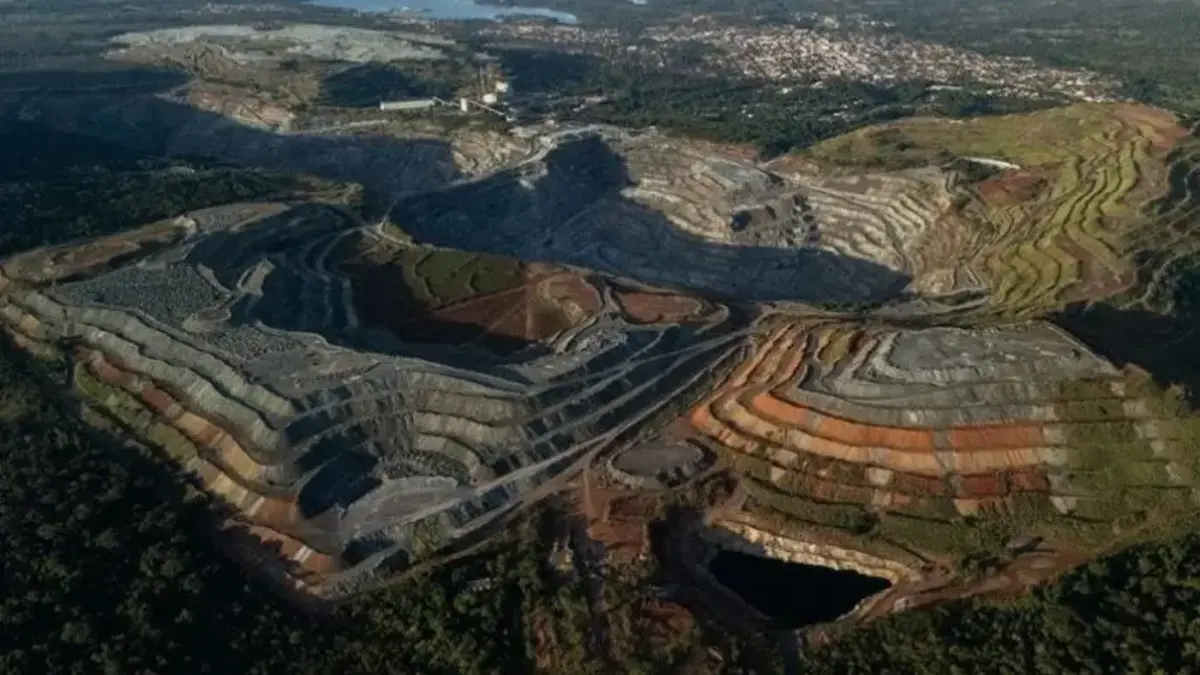
Brazil has designated 27 critical minerals as part of a strategy to accelerate domestic mineral projects and reduce reliance on raw material exports, a move expected to reshape global supply chains and drive new investment flows.
The list, approved by the National Council for Industrialization of Critical and Strategic Minerals (CIMCE) on 5 November 2026, classifies minerals into three priority groups based on their significance for national security and industrial policy. Projects focusing on high-priority minerals will receive preference for government incentives and funding.
To support the initiative, the federal government has made available about €326 million (R$2 billion) for the FGAM fund, while the Federal Program for Critical and Strategic Minerals (PFMCE) will allocate up to €161 million annually (R$1 billion) between 2030 and 2034. In September, President Luiz Inácio Lula da Silva also approved €813 million (R$5 billion) specifically for rare earths exploration.
According to Márcio Elias Rosa, Brazil’s Minister of Development, Industry, Commerce and Services, the aim is to attract investment in refining and manufacturing, creating jobs and moving Brazil up the value chain. The government sees partnerships with international companies as essential for developing processing capacity and technology transfer.
Brazil's strategy responds to rising global demand for minerals vital to clean energy, electronics and advanced manufacturing. The country’s new classification system is intended to both stimulate local industry and mitigate risks from geopolitical tensions around the supply of high-priority minerals.
Analysts note that Brazil’s approach could shift global investment patterns, with European and Asian companies likely to seek joint ventures or direct investment. For Latin America, the move sets a precedent for other resource-rich economies aiming to capture more value domestically.
Despite the opportunity, Brazil’s reliance on international partnerships for advanced processing technology poses a risk, especially if geopolitical dynamics restrict access to key markets or expertise.
For further details, see Bloomberg's coverage.