Azul secures €337.2 million government financing to offset fuel costs and aid post-bankruptcy recovery
Brazil’s Azul has secured €337.2 million in government-backed financing to support jet fuel purchases, bolstering its post-bankruptcy recovery amid high operating costs.

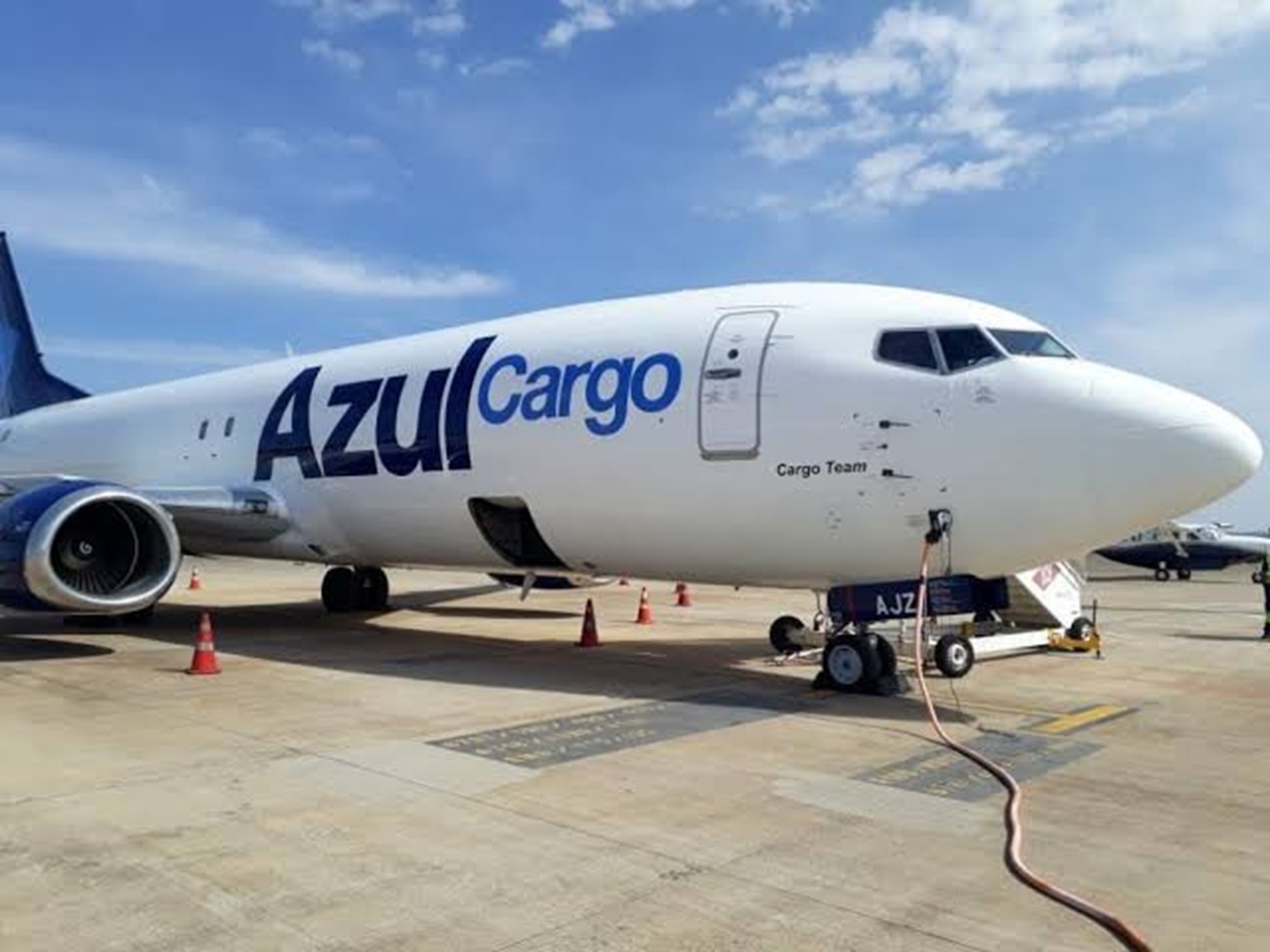
Azul has secured €337.2 million in government-backed financing to support its jet fuel purchases, a critical step in its ongoing post-bankruptcy recovery. The announcement, made on 26 October 2026, comes as the Brazilian airline faces persistently high fuel costs that threaten its operational stability and competitiveness.
The financing, provided by the Brazilian government, is aimed at sustaining Azul's domestic operations, which have been under pressure due to elevated energy prices. The decision to back Azul underscores the government's commitment to supporting the airline industry as it navigates recovery from recent economic shocks.
For Azul, the funds are expected to provide immediate relief from fuel price volatility, allowing the company to stabilize its cash flow and focus on rebuilding market share. Analysts note that state intervention could boost investor confidence in the airline, which has struggled to regain footing following bankruptcy proceedings.
While the financing supports Azul's recovery, it also highlights broader challenges for Brazilian and Latin American carriers. High fuel costs remain a systemic risk, and ongoing reliance on government support raises questions about the long-term sustainability of airline operations in the region.
The move may set a precedent for other carriers facing similar pressures, potentially influencing policy approaches to airline sector stability across Latin America. However, industry observers caution that dependence on public funds could expose airlines to future policy shifts and fiscal constraints.
As Azul prepares to deploy the financing for fuel purchases, further details on the agreement's terms and the airline's operational strategy are expected to emerge. Market participants will be watching closely to assess the impact on Azul's cost structure, pricing strategies, and competitive positioning within Brazil's aviation market.