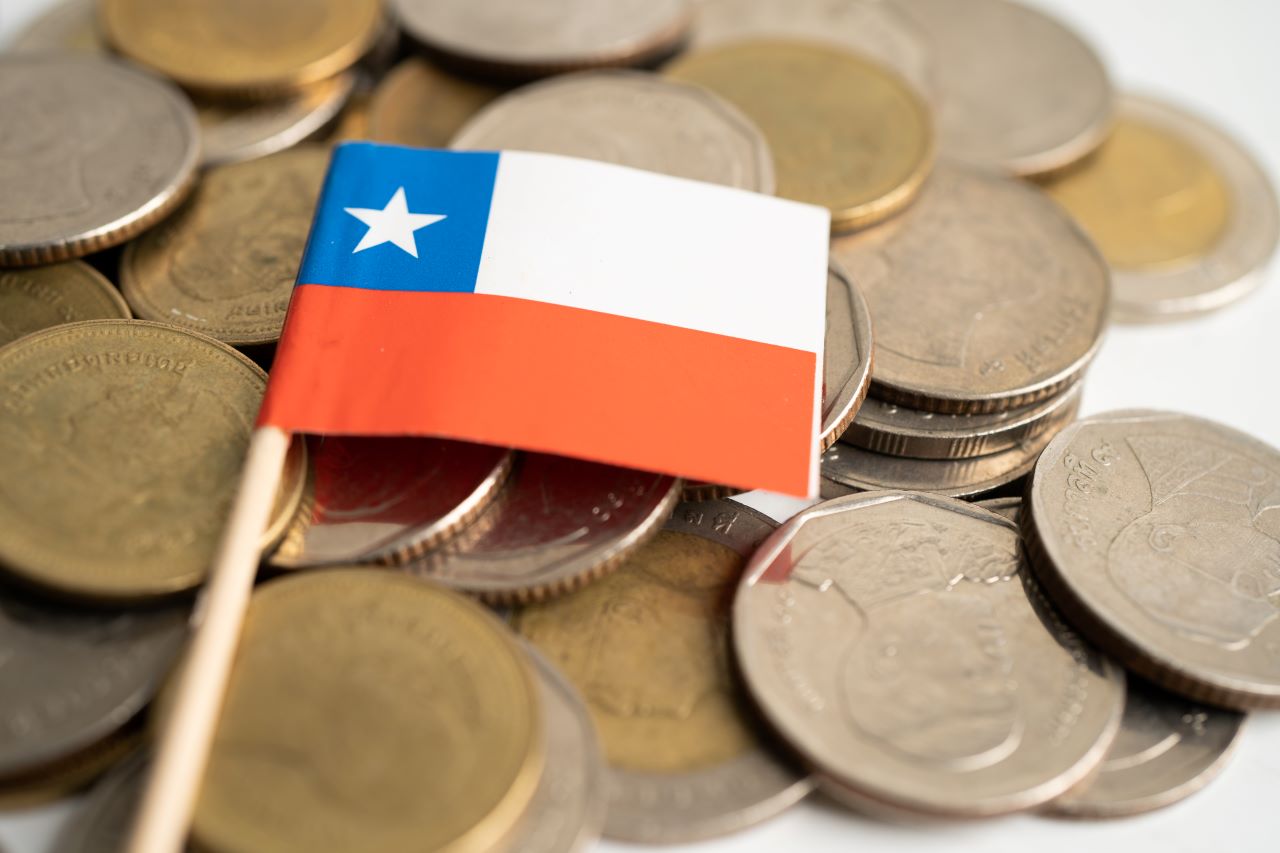
Chile inflation hits highest in over a year, raising pressure on consumer spending and rates
Chile's annual inflation rate has reached its highest point in over a year, prompting concerns over consumer spending and possible interest rate hikes.
Topic
Latest business news, analysis and developments related to Interest Rates, with a focus on Europe, Latin America and cross-Atlantic business.
26 articles

Chile's annual inflation rate has reached its highest point in over a year, prompting concerns over consumer spending and possible interest rate hikes.

The Bank of England has raised its interest rate for the first time since August 2023, citing inflation risks driven by the Iran conflict's impact on energy prices.

Volatility in the French bond market elevates the ECB presidency contest, as candidates' strategies for market stability become central to investor confidence.

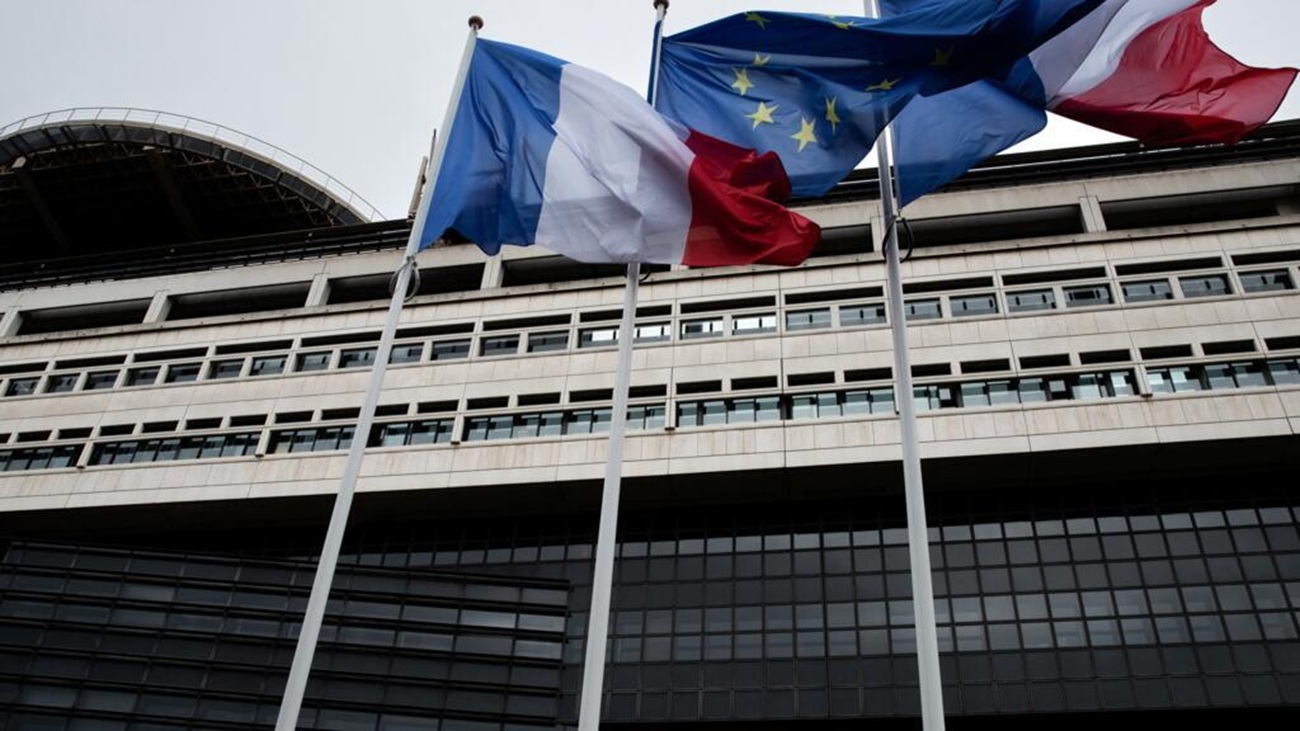
French bond yields have surged to their highest since 2002 as ongoing unrest fuels investor anxiety over fiscal stability and growth.

The European Central Bank is expected to raise interest rates in December after a pause, marking a pivotal policy shift with broad market implications.

European private equity firms have €41 billion in debt headroom for dividend recapitalizations as exits become more difficult, raising questions over portfolio stability.

Emmanuel Moulin has cautioned that France faces serious risks from rising interest rates, highlighting broad implications for EU stability and global investment flows.

Emerging-market stocks and currencies advanced after softer US jobs data reduced expectations of Federal Reserve rate hikes, with Brazil drawing focus due to its presidential election.

ECB Executive Board member Isabel Schnabel stressed the central bank’s commitment to price stability and greater transparency as the euro area faces overlapping economic shocks.

Bank of England Deputy Governor Clare Lombardelli warns that persistent high energy prices are increasing the likelihood of an interest rate rise, adding to market concerns over UK inflation and borrowing costs.

Sovereign borrowing costs eased after another sharp sell-off, although German, French and US yields remained near multi-year highs as energy inflation, public debt and further interest-rate increases continued to unsettle investors.

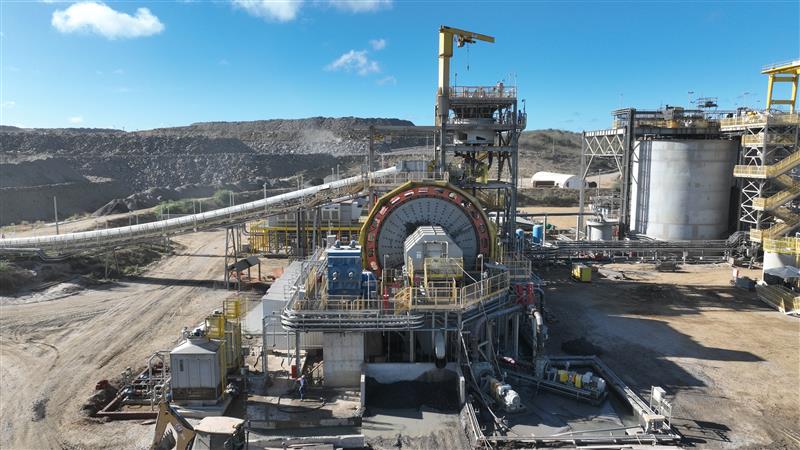
Aura Minerals has secured a $200 million syndicated loan to accelerate growth across Latin America, with a focus on expanding gold production through the Era Dorada project in Guatemala.

The STOXX 600 advanced 0.5% as investors absorbed the Federal Reserve’s first rate increase since 2023. Lower crude prices supported travel and automotive shares, while attention shifted to the Bank of England.

The US central bank increased its benchmark rate by 25 basis points to 3.75%-4.00% in a unanimous decision. Policymakers also signalled that another increase may be needed before the end of 2026.

Brazil's central bank is set to lower its key interest rate by 0.25 points to 13.75% in its final move before the presidential vote, a decision with potential implications for business, consumers and the political landscape.

The European Central Bank lifted rates to 2.5% as surging oil prices from renewed Middle East conflict drive inflation risks across the eurozone.

Markets expect another quarter-point increase on 10 September, which would lift the deposit rate to 2.50%. But easing underlying inflation complicates the case for a more aggressive tightening cycle as policymakers assess the impact of the energy shock.

Spot gold declined to approximately €3,824 per ounce after renewed military exchanges between the United States and Iran pushed oil prices and bond yields higher. Although geopolitical tension normally supports safe-haven demand, investors focused on the inflationary impact of more expensive energy and the growing probability of another US interest-rate increase.

The agency affirmed BBVA Argentina’s long-term foreign-currency rating at “B-” with a stable outlook, as improving macroeconomic conditions support the banking sector. But the lender’s non-performing loan ratio jumped to 6.5% in the first quarter of 2026 and profitability fell sharply, highlighting the risks that persist despite Argentina’s economic stabilisation.

European banks are entering a new phase in which operational excellence, cost efficiency and digital transformation are becoming the primary drivers of profitability. As the extraordinary earnings generated by higher interest rates begin to moderate, financial institutions are increasingly focused on improving productivity, streamlining operations and investing in technology to sustain long-term growth.

Investors will closely monitor next week’s preliminary business activity data from the eurozone, the United States and the United Kingdom, alongside the European Central Bank’s latest monetary policy meeting. The combination of PMI indicators, interest-rate guidance and persistent geopolitical uncertainty is expected to shape market expectations for economic growth and central bank policy during the second half of the year.

The eurozone economy recorded a 0.2% contraction in the first quarter of 2026, highlighting the challenges facing European policymakers as weak industrial activity, geopolitical uncertainty and slower investment weigh on growth.

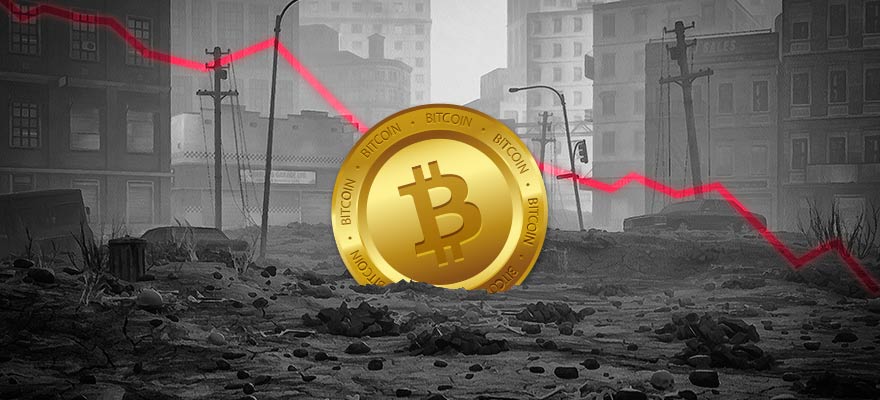
Bitcoin has suffered a sharp correction, falling more than 25% over the past month as long-term investors take profits, market sentiment weakens and traders reassess expectations for the cryptocurrency sector.

A growing number of European equities are trading below estimated fair value, drawing investor interest as markets reassess growth prospects and valuation gaps.

Elevated interest rates and currency stability are keeping Latin America in focus for carry trade strategies, as global investors seek yield in emerging markets despite rising volatility.

Los últimos resultados de Holcim muestran que América Latina se está convirtiendo en un motor clave de crecimiento para el grupo suizo de materiales de construcción, ya que las adquisiciones, la demanda de infraestructura, las herramientas digitales y la construcción de bajo carbono compensan la menor dinámica en Europa.