Brazil challenges EU authority over €456 million Anglo American nickel sale to China’s MMG
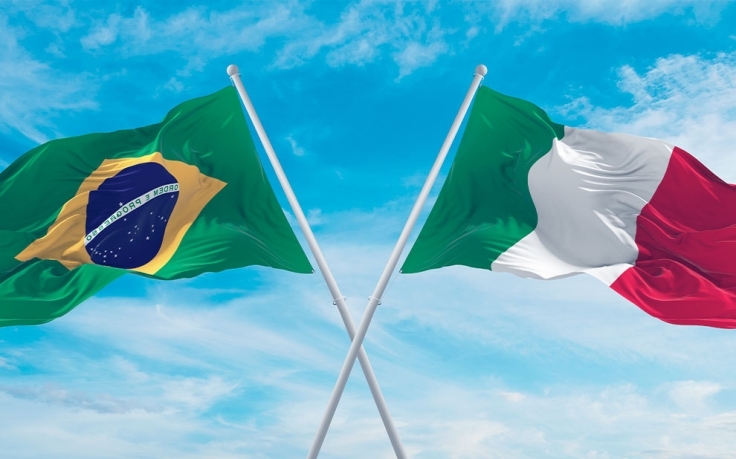
Brazil has formally disputed the European Commission’s review of Anglo American’s €456 million nickel sale to MMG, raising concerns about foreign regulatory reach in Latin American mining.

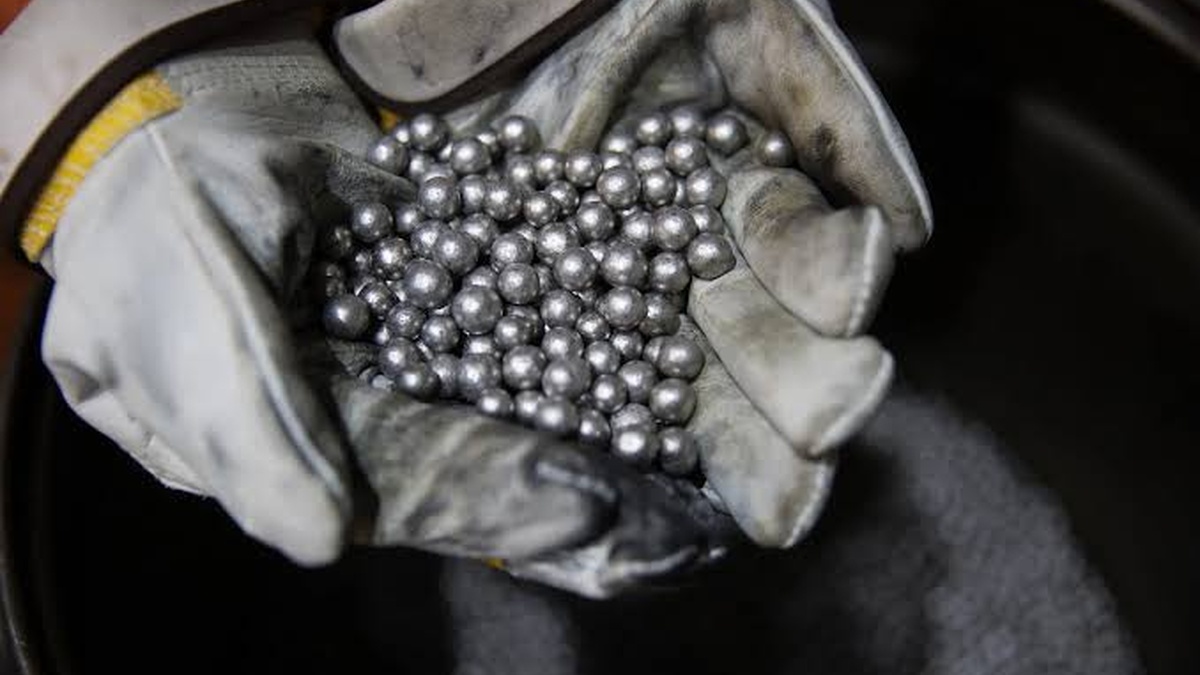
Brazil has formally challenged the European Commission’s authority to review Anglo American’s €456 million sale of its Brazilian nickel operations to MMG, marking a significant test of how far foreign regulators can intervene in Latin American mining transactions.
The dispute escalated after Brazil’s foreign ministry wrote to the European Commission disputing its jurisdiction over the deal. Brazil’s competition regulator, Cade, has not objected to the transaction, which involves the sale of the Barro Alto and Codemin nickel mines to China’s MMG for €456 million.
The European Commission opened its review due to concerns that, under MMG’s ownership, ferronickel supplies could be redirected from European buyers to China, potentially impacting the supply chain for European stainless steel producers. The Commission is scheduled to decide on the transaction by December 21.
Anglo American CEO Duncan Wanblad has warned that if the deal is blocked, the company will place the two nickel mines into care and maintenance, effectively closing them. Such a move would risk disrupting nickel supply for European customers and could affect global nickel pricing.
The case underscores broader tensions between national sovereignty and foreign regulatory oversight, particularly as critical minerals become increasingly strategic for industrial supply chains. Brazil’s stance signals a push to assert greater control over its mineral resources, a move that may shape future foreign investment and regulatory frameworks across Latin America.
Industry observers say the outcome could set a precedent for how similar deals are scrutinised worldwide, especially as countries seek to safeguard access to key materials essential for advanced manufacturing and energy transitions.