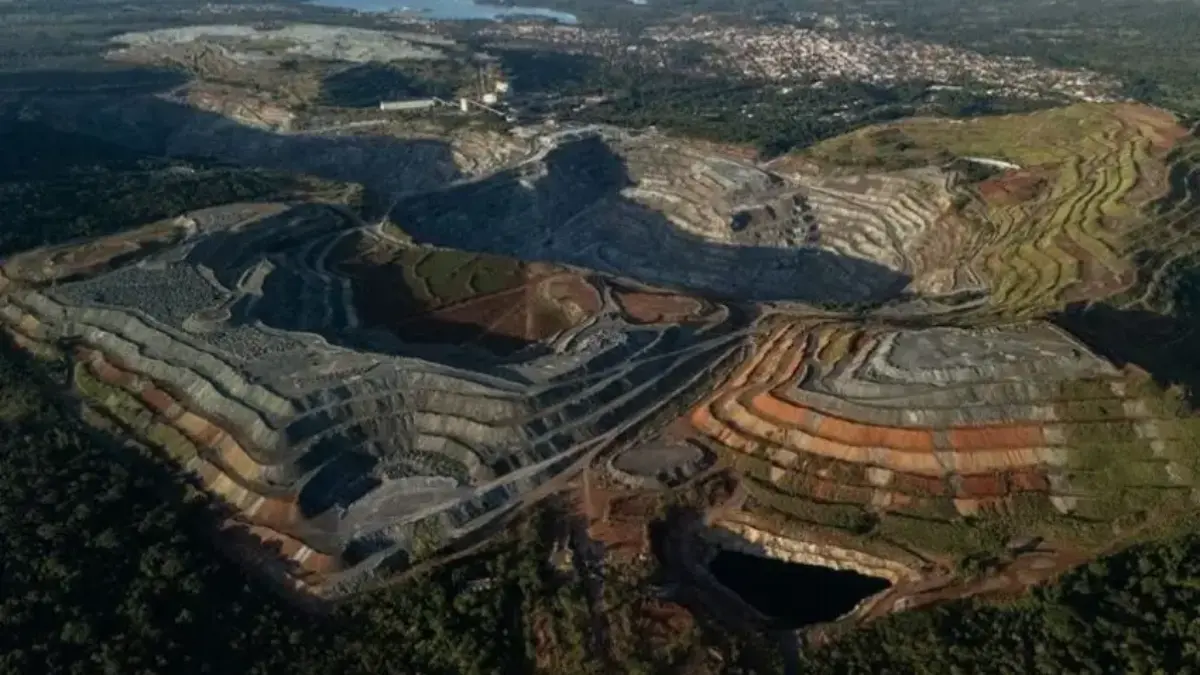
Chile copper output to hit 23-year low in 2026, threatening mining competitiveness
Chile's copper production is projected to fall 6.6% in 2026, threatening its lead in global copper markets and mining revenues.

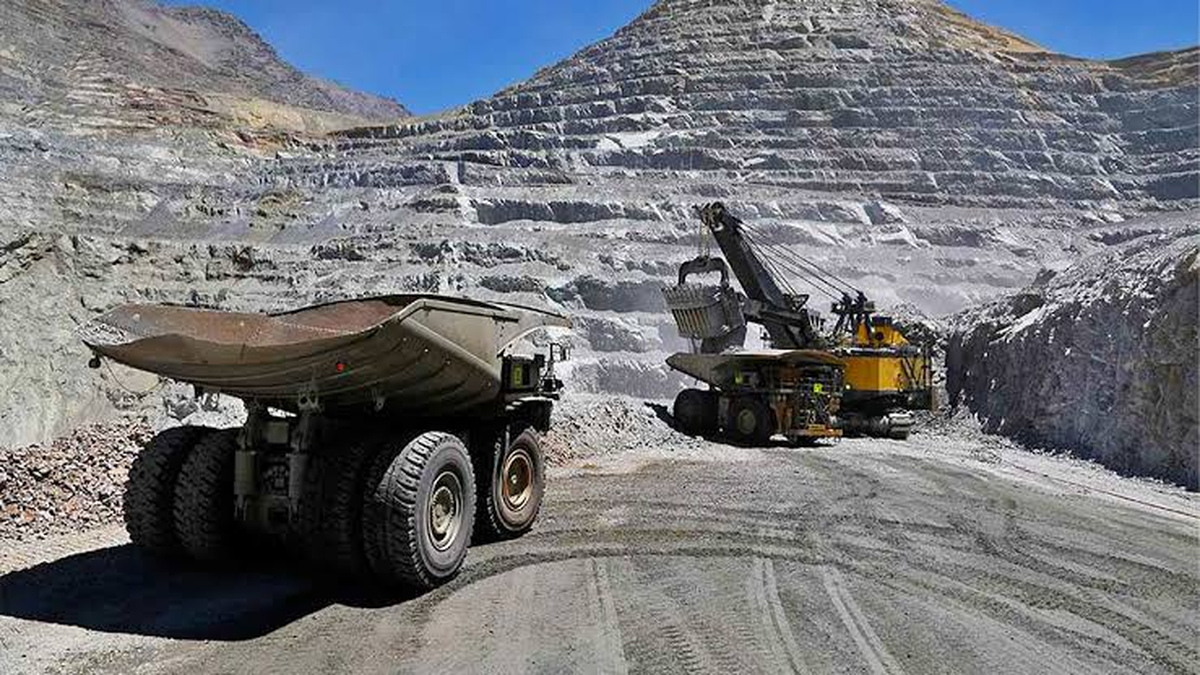
Chile's copper output is set to decline to its lowest level since 2003, with production forecast at 5.034 million tonnes in 2026, according to data from the Chilean Copper Commission (Cochilco). This represents a 6.6% drop, or 354,000 tonnes less than last year, and signals mounting risks to Chile's position as the world’s leading copper producer.
The decline is attributed to falling ore grades, operational disruptions, and surging input costs, particularly for sulfuric acid, which is essential in copper leaching. In 2025, sulfuric acid imports reached a record 3.97 million tonnes, supplying about half of Chile’s national consumption, amid a 17.2% decrease in domestic production to 3.92 milliontonnes—its lowest since 2002. The spike in imports comes after China restricted sulfuric acid exports in May 2026, further complicating supply chains.
Industry analysts, including Juan José Pardo of Plusmining, warn that higher import dependence exposes the sector to price and availability risks. The cost of leaching operations has climbed 74%, from €0.38 to €0.67 per pound of SX-EW copper, squeezing operational margins for both state-owned Codelco and private miners such as Capstone.
The production slump is already impacting monthly figures: output fell 12.7% year on year to 366,000 tonnes in August 2026. Mining executives, like Paulina Cáceres of GEM Mining Consulting, note that continued disruptions or adverse weather could push figures even lower.
For the wider Chilean economy, copper accounts for a significant share of export revenue and public finances. The fall in output threatens government income and could deter future investment, with €22.8 billion in mining projects currently proposed through October 2026. If these projects proceed, analysts see a chance for a partial recovery—potentially adding 250,000 tonnes in 2027—but warn that delays or financing challenges could limit gains.
The impact reaches beyond Chile: reduced output may tighten global copper supply, influencing prices and supply chains across Europe and Latin America. For regional trade, Chile’s challenges could shift sourcing strategies and affect industrial sectors reliant on stable copper flows.