EU defence faces €39bn cut as leaders clash over €2 trillion budget and Ukraine funding
EU leaders are debating a €204 billion reduction to the bloc’s €2 trillion budget, with defence and Ukraine funding at the centre of disputes.

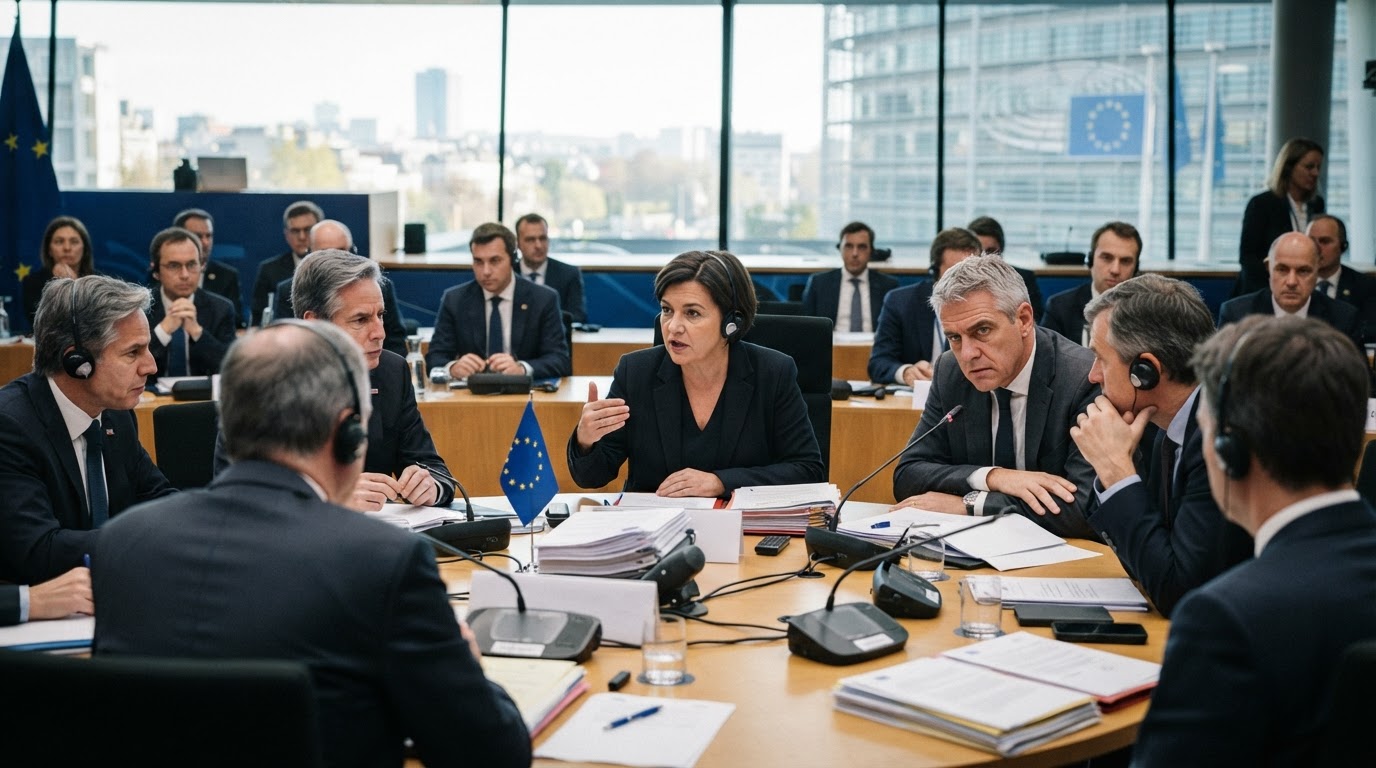
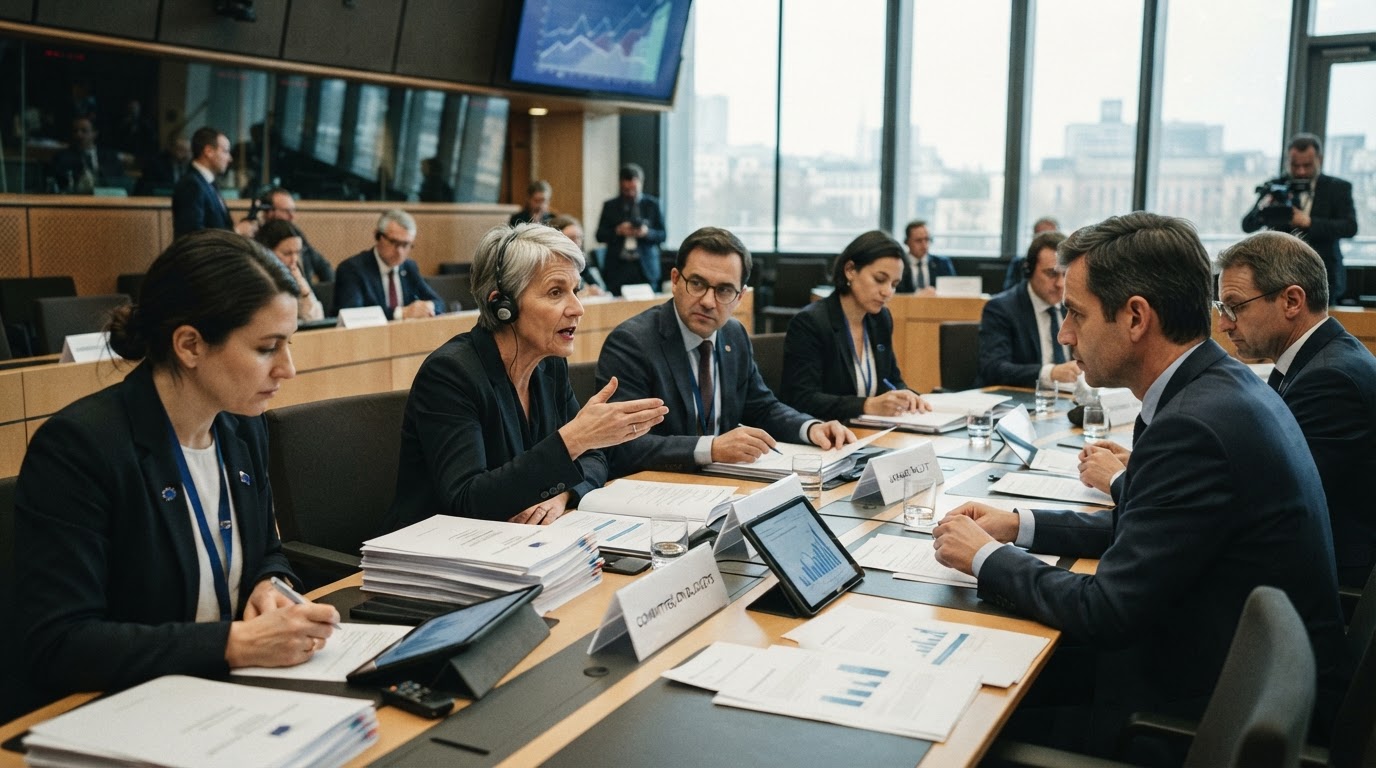
EU leaders are meeting in Brussels to negotiate the bloc’s next seven-year budget, facing strong divisions after European Council President António Costa proposed a €204 billion cut to the original €2 trillion plan for 2028-2034. The proposed reductions have deepened disagreements over how to balance competing priorities, particularly defence and support for Ukraine.
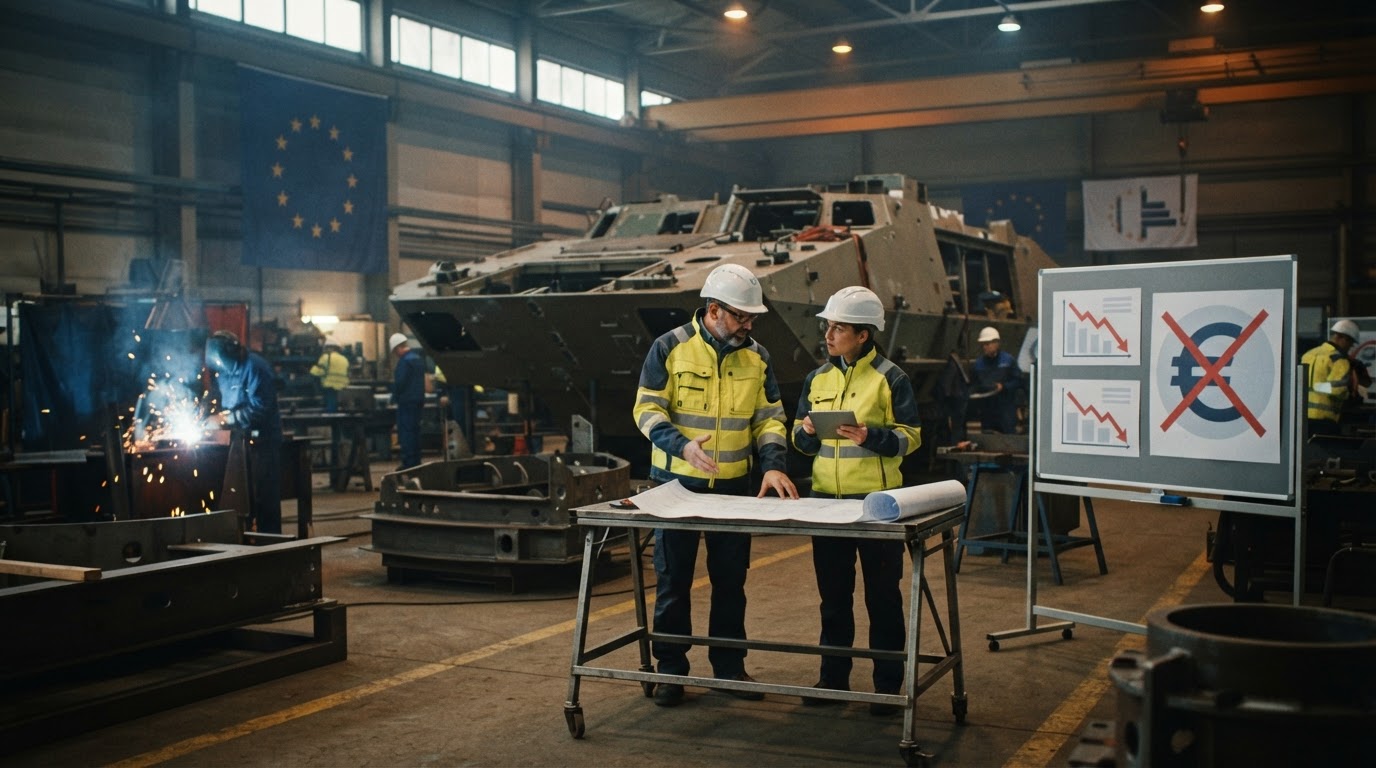
A central issue is the proposed €39 billion cut to defence and space funding, which would represent a 30% reduction in these areas. EU Defence Commissioner Andrius Kubilius has cautioned that such cuts could jeopardise critical pan-European programmes and weaken the bloc’s military readiness at a time of heightened security concerns.
The budget talks have become intertwined with efforts to address Ukraine’s €70 billion budget shortfall next year. The European Commission has put forward a €45 billion loan to Kyiv, but support is not unanimous. Friedrich Merz has threatened to veto the entire EU budget unless all 27 member states back the Ukraine package, reflecting the contentious nature of linking the bloc’s financial framework to its geopolitical commitments.
Tensions are further heightened by political pressures within key member states. In France, the government faces demands to protect agricultural subsidies and avoid increasing its national contribution, especially as Marine Le Pen’s influence grows ahead of the presidential election. The so-called “modernisers,” led by Germany, have pushed for steeper cuts to cohesion and farm spending in favour of defence and technology.
The risk of a deadlock is high, with little expectation of a breakthrough by the summit’s close. Emmanuel Macron has set a December deadline for reaching a deal, but divisions over spending priorities and national contributions could prolong negotiations.
The European Parliament has also signalled its opposition to a 10% reduction in the multiannual financial framework, threatening to reject any agreement that results in deep cuts to core programmes.
The outcome will shape not only funding for sectors such as agriculture, regional development, and technology, but also the EU’s ability to respond to external threats and maintain unity on Ukraine. If the current impasse persists, delays could impact vital initiatives and challenge the bloc’s role as a security actor.