EU leaders face divisions over €1.7 trillion budget and €45 billion Ukraine loan at Brussels summit
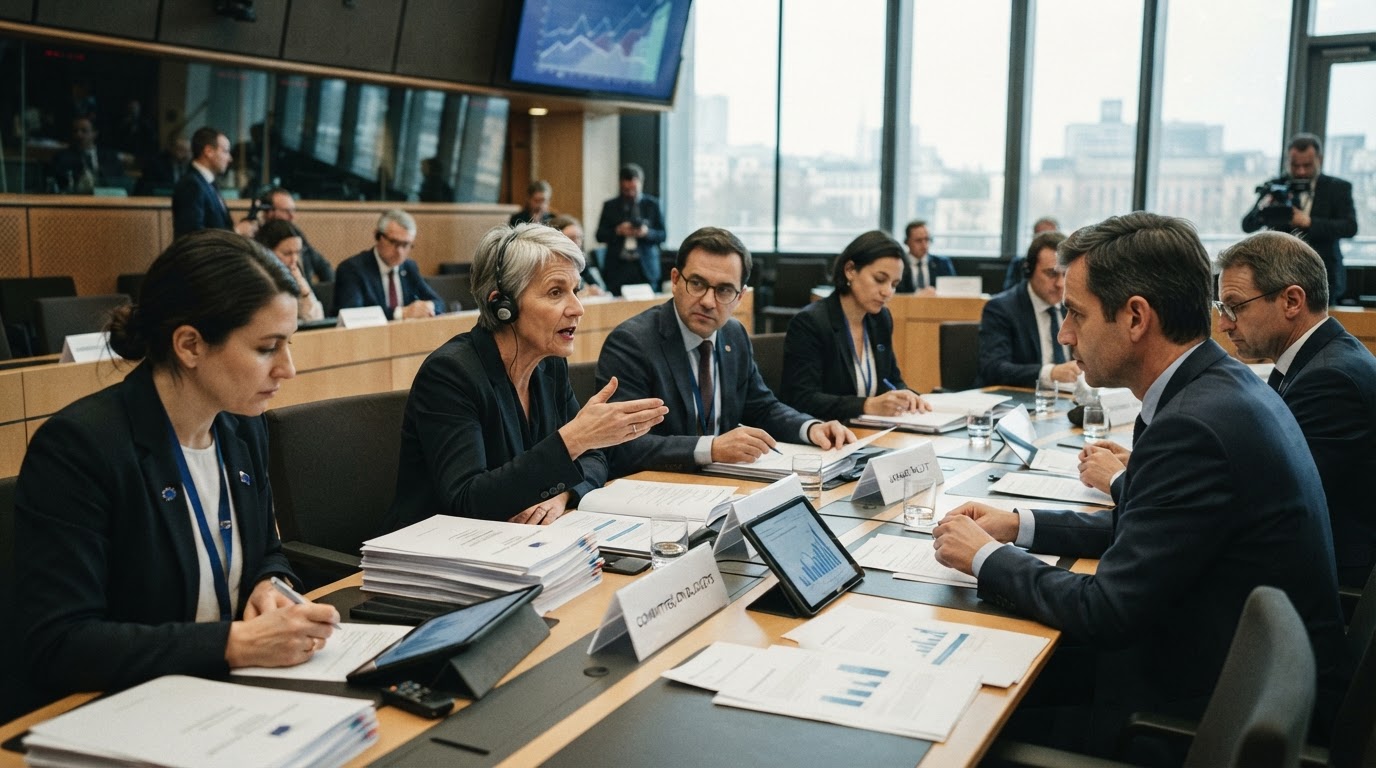
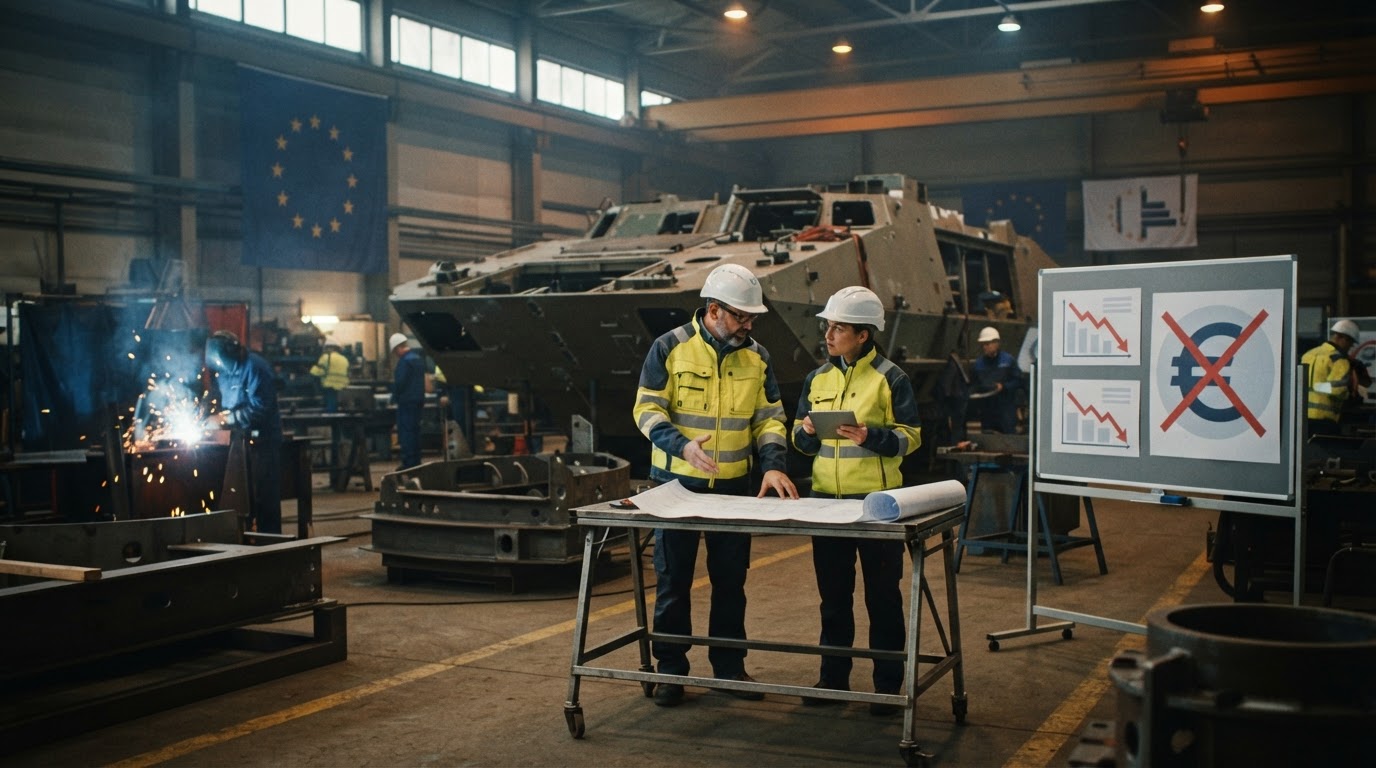
EU leaders are preparing for contentious talks in Brussels over a €1.7 trillion budget and €45 billion Ukraine aid loan, with several countries pushing to opt out.

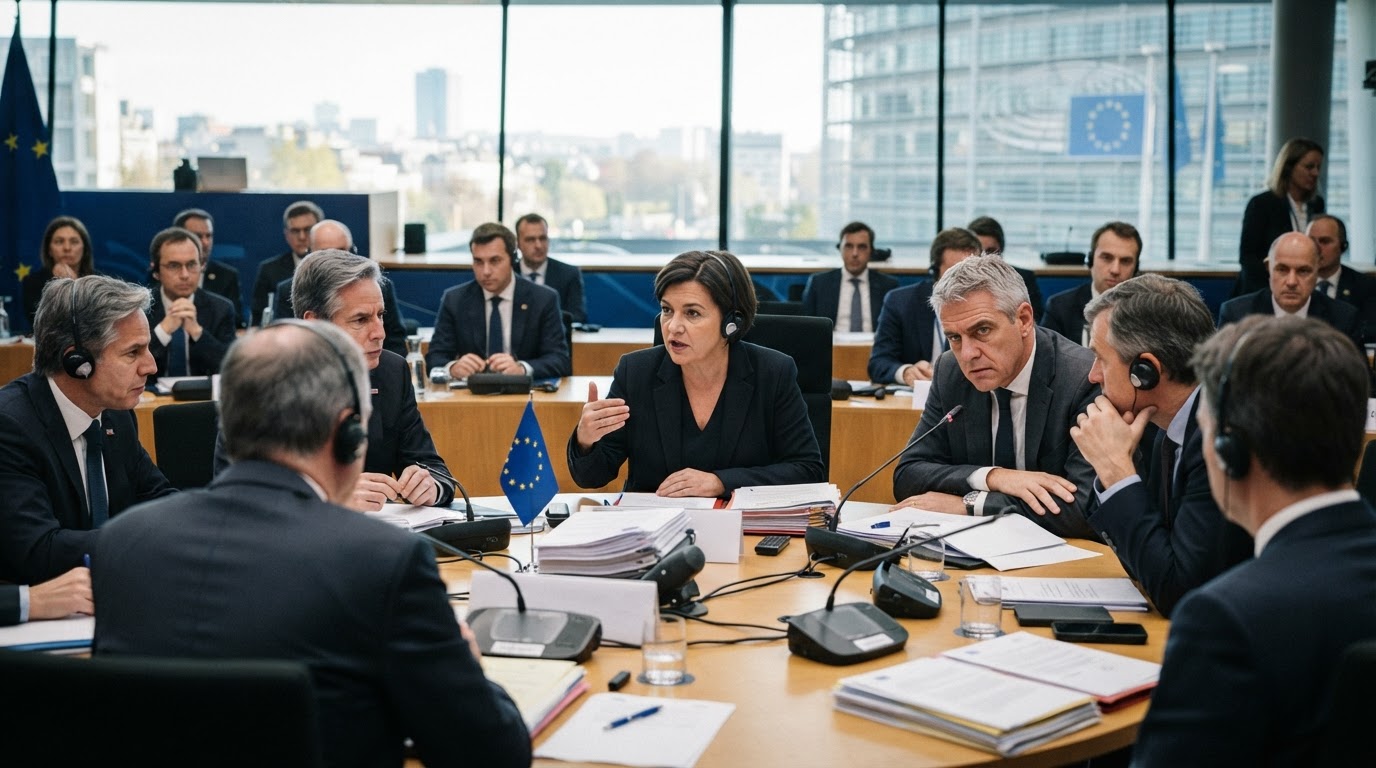
EU leaders are heading into a tense summit in Brussels amid sharp divisions over the next seven-year budget, valued at €1.7 trillion, and a proposed €45 billion joint support loan for Ukraine.
The budget, put forward by European Council President António Costa, has triggered debate among member states over both its size and how resources will be allocated. The European Commission's separate €45 billion loan for Ukraine, to be financed through joint debt, has become a flashpoint, with Slovakia, the Czech Republic, Hungary and Budapest signaling their intent to opt out of the arrangement.
Although the budget and the Ukraine loan are officially separate, political negotiations have intertwined the two issues, with member states weighing their contributions and the implications for broader EU financial stability.
Some governments have argued that the proposed budget is either too large or too small, reflecting divergent national priorities and economic outlooks across the bloc. The push by four countries to opt out of the Ukraine loan has caused frustration among Kyiv's bilateral donors, who are concerned about the reliability of long-term European support.
The outcome of the summit is expected to influence not just immediate funding for Ukraine but also the EU's future approach to financial solidarity and crisis response. The discussions could set precedents for how joint debt is used and how dissenting countries are accommodated in pan-European agreements.
Leaders are also expected to discuss the succession of Christine Lagarde as head of the European Central Bank, with Spain's Pablo Hernández de Cos emerging as a leading candidate. This decision could shape the direction of EU monetary policy at a time of economic uncertainty.
The summit's results will have concrete implications for business, investment, and financial planning across the EU, especially as geopolitical tensions continue to impact economic forecasts.