EU debates €45bn Ukraine loan as MEPs question budget impact and future priorities
The European Commission's proposed €45 billion loan to Ukraine has led MEPs to discuss its implications for the EU budget and existing funding areas, with concerns raised over potential effects on cohesion policy.

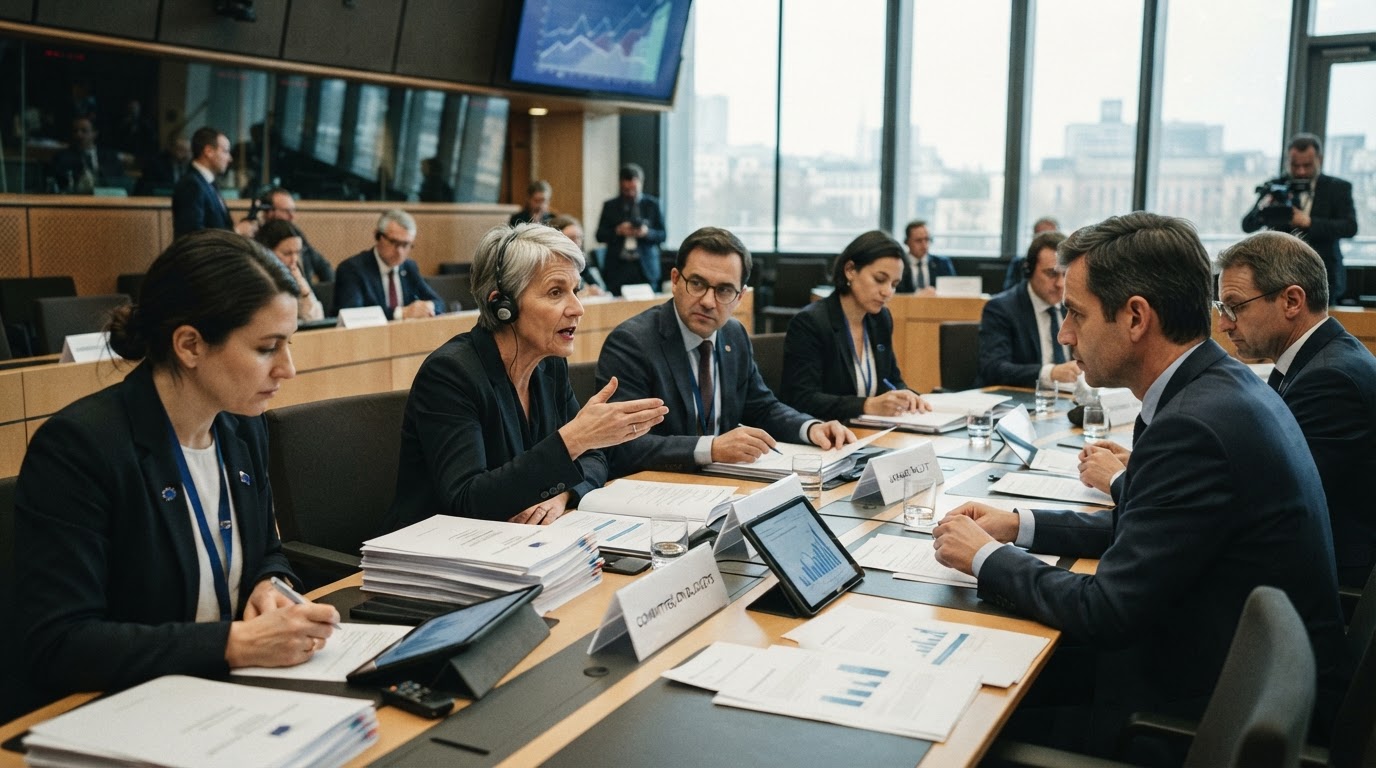
The European Commission has proposed a €45 billion loan to Ukraine, prompting debate among Members of the European Parliament (MEPs) on the future direction of the EU budget. As Ukraine continues to face the consequences of Russia’s ongoing war, the scale of the proposed financial support has led to questions over how the EU can maintain its commitment to Ukraine without affecting other budget priorities.
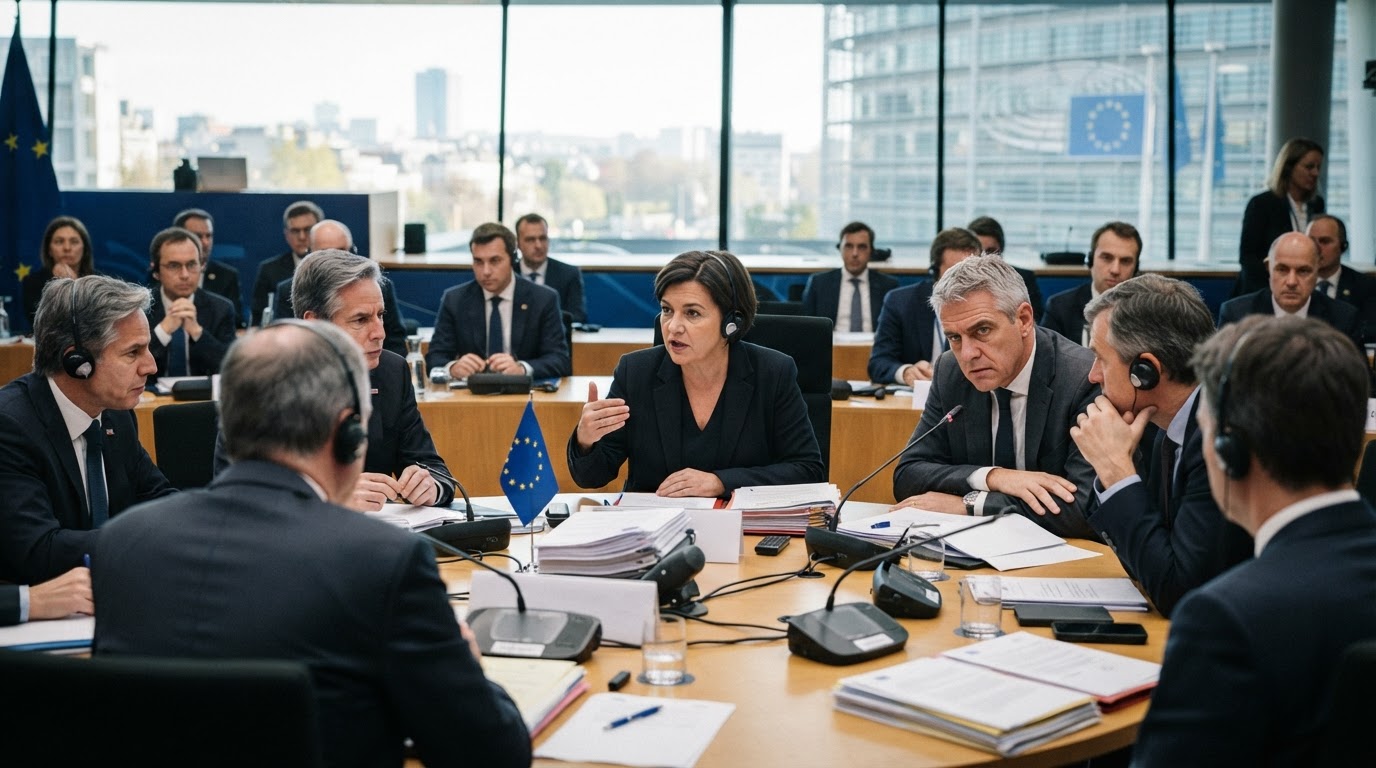
During a recent debate, Spanish MEP Marcos Ros (S&D) and Czech MEP Ondřej Kolář (EPP) examined whether the EU’s long-term support for Ukraine might require reallocating funds from existing policies, such as the EU’s cohesion policy, which supports regional development across member states. The discussion highlighted concerns over whether the proposed loan might force difficult trade-offs between supporting Ukraine and maintaining funding for other key EU initiatives.
The European Commission’s proposal has also raised broader questions about European solidarity, financial responsibility, and the union's ability to respond to crises while balancing competing priorities. MEPs discussed the need to ensure that new commitments to Ukraine do not undermine ongoing efforts within the EU, especially regarding regional development and cohesion funding.
While a final decision on the loan and its financing has yet to be reached, the debate underscores the complexity of balancing external commitments with internal budgetary responsibilities. Businesses and regional authorities in EU countries are closely watching these discussions, as the outcome could impact future funding, investment, and development projects across the union.
The ongoing negotiations reflect the challenge for European policymakers to align geopolitical objectives with domestic economic needs, as the EU considers how to support Ukraine while safeguarding its own financial stability and long-term policy goals.