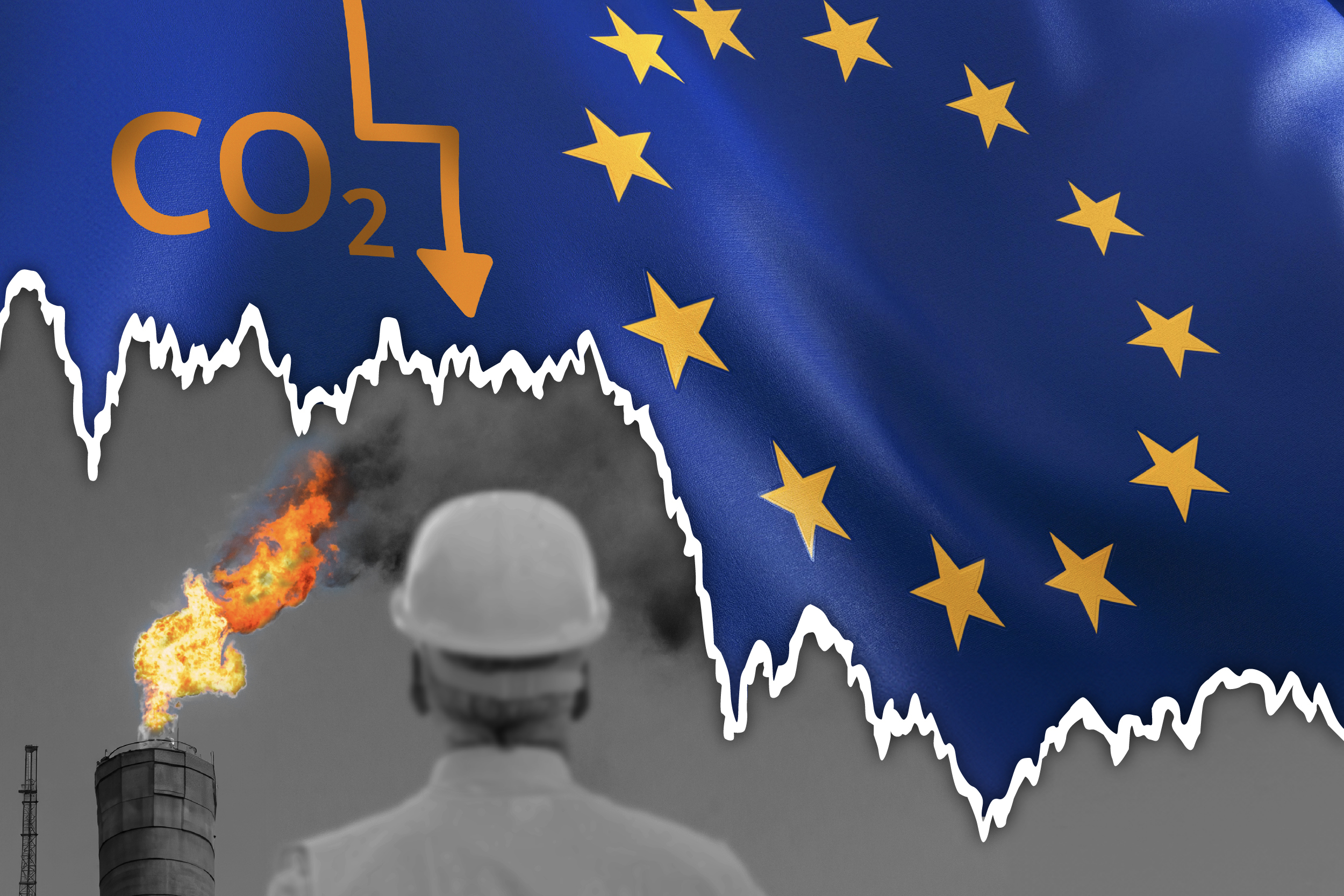
EU rejects COP31 climate deal draft over fossil fuel omission, risking collapse of global talks
The European Union's rejection of the COP31 draft over fossil fuel omissions threatens to derail global climate negotiations in Antalya.

The European Union has rejected the latest draft of the COP31 climate deal in Antalya, Turkey, citing the document's failure to mention fossil fuels—a move that threatens to derail consensus among nearly 200 nations.
Darragh O’Brien, Ireland’s climate and energy minister, stated that the EU will not endorse any agreement that excludes references to fossil fuels, which he described as the principal driver of climate change. The latest draft, released early Sunday, removed all mention of fossil fuels despite earlier versions calling for a faster phase-out, drawing sharp criticism from EU officials and climate advocates.
The rejection by the EU, alongside Panama’s similar stance, raises the risk of a collapse in the negotiations. Such an outcome would delay the adoption of new international commitments to reduce greenhouse gas emissions and could have significant repercussions for energy markets and investments in renewable technologies.
Within Europe, the EU’s position signals a continued push for ambitious climate action and less reliance on fossil fuels, potentially shaping the bloc’s future policies and the stance of other major economies. The move may also influence negotiations between Europe and Latin America, given Panama’s alignment with the EU’s concerns.
Negotiators now face increased pressure to address fossil fuel language in the agreement to secure wider support. The outcome will determine not only the credibility of the COP31 process but also the direction of global climate policy at a critical juncture for energy transition efforts. Further resistance from oil-producing countries and delays in reaching an agreement could stall global climate action for months, affecting businesses, investors, and policymakers worldwide.