EWS Reports 14% Higher Winter Wheat Yield at Austrian Agrivoltaic Research Site
Austrian agrivoltaics provider EWS has reported a 14% increase in winter wheat yield at its Sonnenfeld research site, highlighting the potential for solar-PV systems to boost agricultural productivity in Europe, especially during dry conditions.

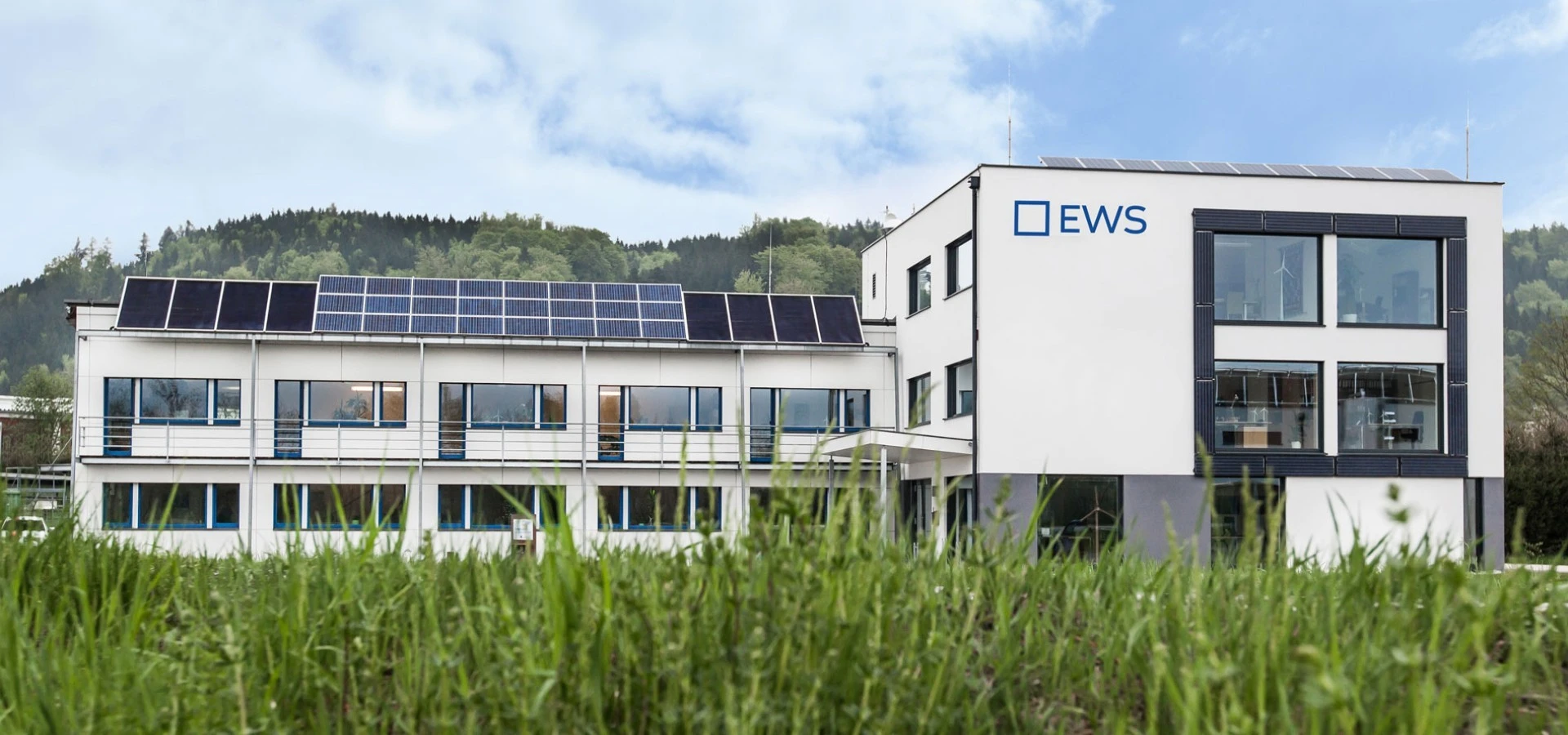
EWS, an Austrian agrivoltaics provider, has reported a 14% increase in winter wheat yield at its Sonnenfeld research site in Bruck an der Leitha, compared to a control area without solar modules. The results, announced by EWS, are based on harvests from 12-meter-wide cultivation strips during the dry summer of 2026.
The research facility, built in 2022 and developed with the University of Natural Resources and Life Sciences Vienna (BOKU), employs movable photovoltaic (PV) module tables installed at varying distances—8, 11, and 14 meters—across different research zones. The increased yield was recorded in areas where PV modules provided shading, contributing to changes in microclimate conditions that benefited crop performance under dry weather.
EWS attributes the yield improvement to the microclimatic effects created by the PV installations, including reduced water stress for the wheat crop. Earlier findings from 2024 at the same site indicated that crop responses differed depending on the spacing of the PV modules, suggesting further optimization potential.
The findings are significant for European agriculture, where the integration of renewable energy with food production is gaining attention as a strategy for climate adaptation and sustainable land use. Agrivoltaic systems—which allow crops to grow beneath or between solar panels—are seen as a way to improve farm resilience to drought and add new revenue streams for farmers.
Despite the promising results, EWS notes that agricultural yields depend on multiple factors, such as weather variability and soil compaction during construction. The company and its research partners emphasize the need for longer-term studies to fully understand the implications of agrivoltaics on different crops and under varying conditions.
The reported yield increase offers new evidence for policymakers and investors considering agrivoltaics as part of Europe’s broader push for more sustainable and productive farming. For Latin American stakeholders, the research highlights an innovative approach that could be adapted to local conditions to address challenges of water scarcity and energy transition in agriculture.