
French Agrivoltaic Trials Boost Maize Yields by 19.6% and Cut Water Loss
French renewable energy producer TSE has reported a 19.6% rise in maize yields and a 20% reduction in water loss from agrivoltaic trials, underscoring the technology’s potential for sustainable agriculture amid climate change.
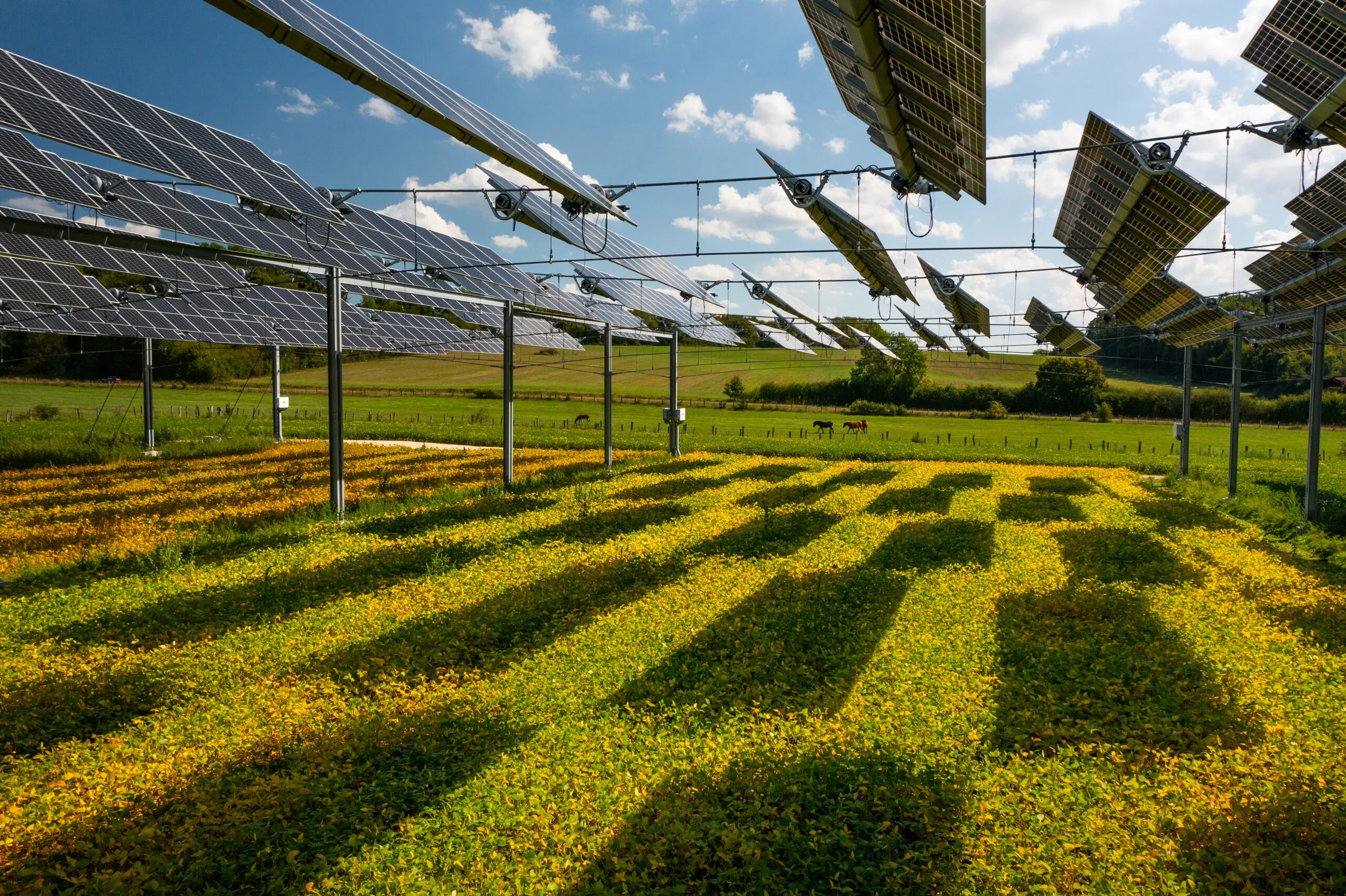
TSE, a French renewable energy producer, has reported that its agrivoltaic trials have delivered a 19.6% increase in maize yields and a 20% reduction in seasonal evapotranspiration, signalling a significant advance for sustainable agriculture in the face of climate change.
The results stem from trials conducted at Chadeleuf, Puy-de-Dôme, and Amance, Haute-Saône in France, where crops were cultivated beneath solar canopies designed to optimize both energy generation and agricultural productivity. The initiative was monitored and validated by the Puy-de-Dôme Chamber of Agriculture and the Limagne Centre for Technical Agricultural Studies (CETA), with Antédis overseeing the harvest.
During the exceptionally hot and dry conditions of the 2026 growing season, maize grown beneath the agrivoltaic canopy not only achieved higher yields but also reached an average height of 200 cm, compared to 160 cm in control plots. The canopy reduced air temperature at the crop level by 4.1°C during peak heat and maintained temperatures 3°C higher on cold nights, providing a more stable microclimate for crop development.
Winter forage barley yields reached up to 96% of those in non-canopied plots, indicating that the technology can support multiple crop types. The trials also demonstrated that seasonal evapotranspiration—a key driver of water loss in agriculture—was reduced by 20%, an important factor as farmers across Europe and Latin America grapple with increasingly erratic weather and water scarcity.
The findings highlight the potential for agrivoltaic systems to enhance crop resilience, improve water management, and boost productivity. For investors and agricultural technology companies, the results may drive increased interest in the agrivoltaic sector, especially as climate adaptation becomes a growing priority.
However, the adoption of agrivoltaic systems remains subject to weather variability and evolving regulatory frameworks, which could affect long-term outcomes and deployment. Further research is needed on the impact across different crops and regions, as well as the economic implications for farmers adopting this technology.
As policymakers in Europe and Latin America seek to balance food security with climate mitigation, the French trials provide new evidence that agrivoltaics could play a central role in the future of sustainable agriculture.