Hungary's MOL urges EU funding as Russian oil exit risks unrest and higher energy costs
Hungary's MOL seeks EU support to phase out Russian oil by 2027, warning the move could raise energy costs and spark instability in Central Europe.

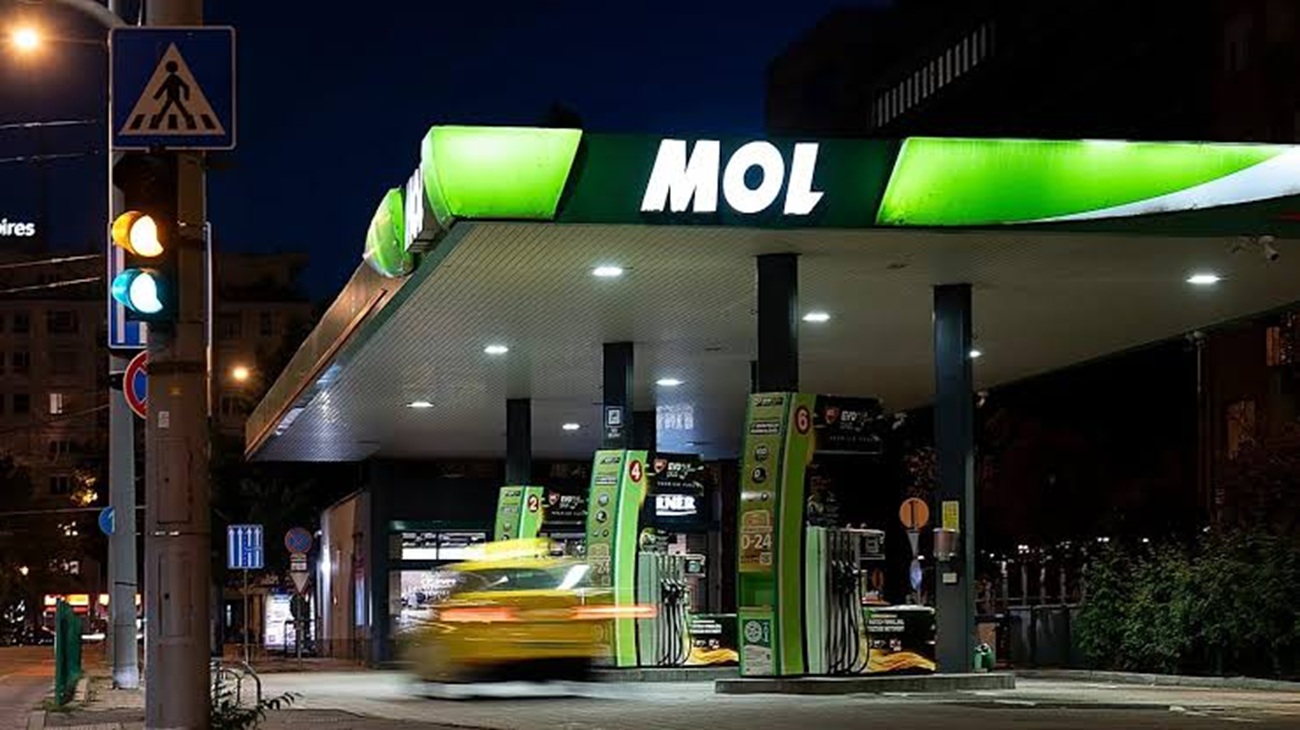
Hungary’s MOL has called for European Union funding to support its plan to phase out Russian oil imports by the end of 2027, as CEO György Bacsa warned that the transition could trigger higher energy costs and social unrest in Hungary and Slovakia.
Bacsa said that reducing reliance on Russian crude, which currently trades at about €54 per barrel—around 34% below Brent—would require substantial investment in alternative pipeline routes. He cautioned that the costs could ultimately be passed on to consumers, raising the risk of political instability.
A 2025 IMF study projected that a complete cut-off of Russian energy could push Hungary’s energy spending up by 15% by 2030, amplifying economic pressures on households and businesses. Bacsa’s remarks underscore the delicate balance facing Central European governments as the EU accelerates efforts to end dependence on Russian energy.
Russia’s share of EU oil imports has declined sharply, falling from 27% in 2021 to just 2% currently. However, MOL and the region’s refineries have long relied on the cheaper Urals crude, complicating the transition.
MOL’s strategy involves expanding alternative supply routes, but ongoing disputes with Croatia’s JANAF over pipeline capacity threaten to slow progress. The company argues that EU backing is essential to ensure energy security and avoid disruptions as it adapts its operations.
The European Commission has made energy diversification a policy priority, but decisions on funding for MOL’s pipeline expansion could set a precedent for other member states grappling with similar challenges. The outcome could shape the region’s energy landscape and its political stability for years to come.