Irizar's Electric Buses Boost GZM’s Green Transport, Aiming for Cleaner Air
Irizar has delivered 31 battery-electric buses to Poland’s GZM network, a key step in the region’s Green Transport program to reduce emissions and improve public health.
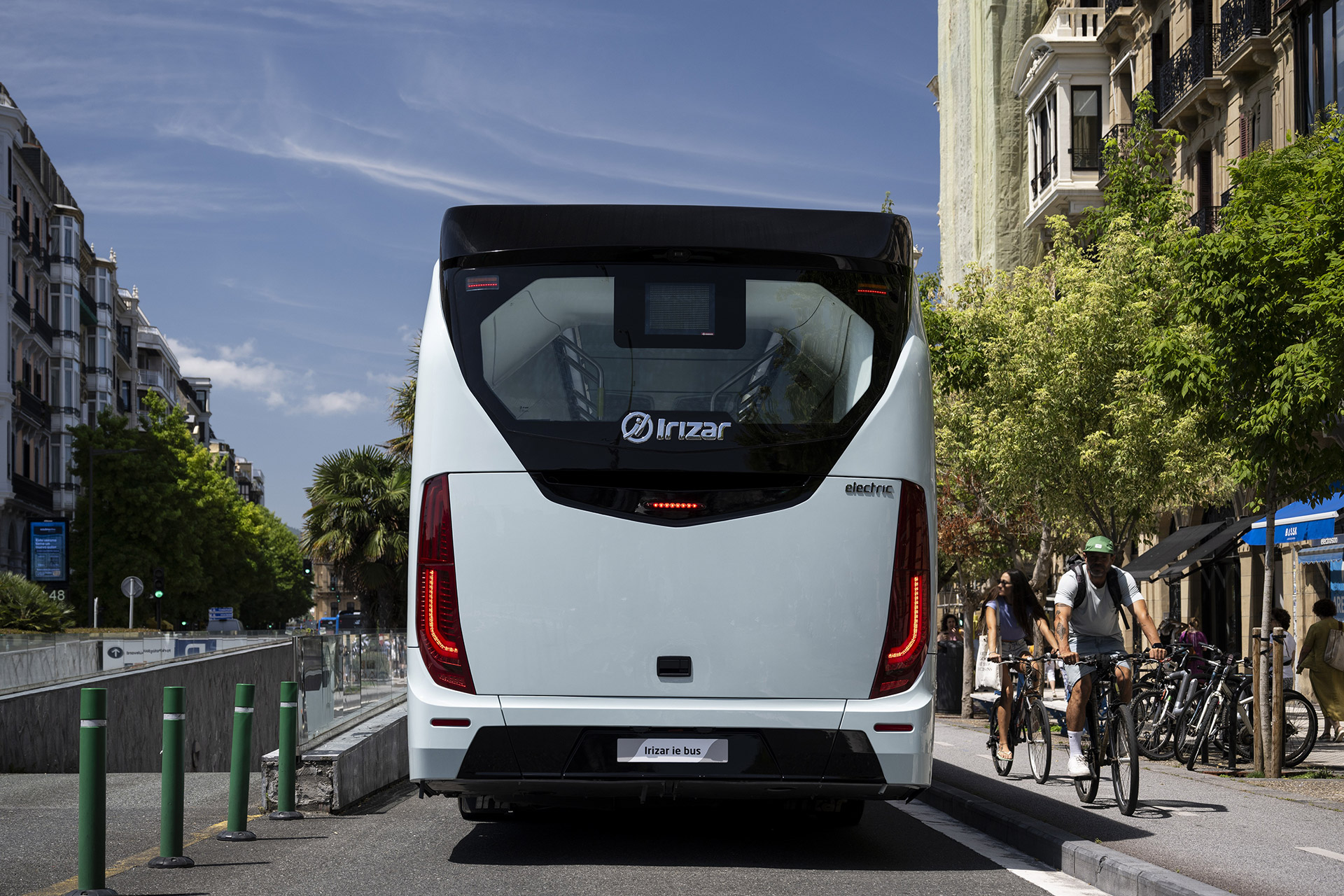
Irizar e-mobility has completed the delivery of 31 battery-electric buses to Górnośląsko-Zagłębiowska Metropolia (GZM), marking a major milestone in the Polish region’s drive to modernise public transit and address air pollution through its Green Transport program.
The €36 million project, with over 91% of costs financed by Poland’s National Recovery Plan, includes 16 articulated 18-meter buses and 15 standard 12-meter units. The contract also covers technical support, operator training, and a post-warranty service agreement, ensuring long-term operability and knowledge transfer to local transport agencies.
The new buses were delivered to four municipal operators—PKM Sosnowiec, PKM Świerklaniec, PKM Katowice, and PKM Gliwice—and are expected to replace older, higher-emission vehicles across the GZM network. The transition to electric buses forms part of the region’s broader efforts to address local air quality, a persistent issue in Silesia, one of Poland’s most industrialised and densely populated areas.
GZM’s Green Transport program targets reductions in urban air pollution and greenhouse gas emissions, both recognised as significant public health risks. By replacing diesel buses with zero-emission electric vehicles, the region aims to cut levels of particulate matter and nitrogen oxides—pollutants linked to respiratory and cardiovascular diseases. The move aligns with EU sustainability objectives, supporting Europe’s 2030 climate targets.
The delivery also includes the installation of 19 charging stations, which are expected to facilitate the integration of electric vehicles into daily service. According to project sources, successful implementation could serve as a model for other Polish cities and strengthen Irizar’s business presence in Central and Eastern Europe.
However, the initiative depends heavily on continued government funding, notably the National Recovery Plan. Any shifts in policy or funding priorities could challenge the pace of further expansion and technology upgrades. Operational integration of the new fleet may also present logistical and training challenges for municipal operators.
For investors and manufacturers, the GZM contract may set precedents for future tenders as European regions accelerate their transition to sustainable urban mobility. The project’s outcomes will be closely watched by local governments and industry stakeholders assessing the public health and environmental payoffs of large-scale electric bus deployments.