Italy backs Germany joining GCAP, proposes observer role as path to full membership
Rome denied reports that it had sought to block Berlin from the UK-Italy-Japan fighter programme, saying observer status would accelerate Germany’s possible entry while protecting the 2035 timetable.

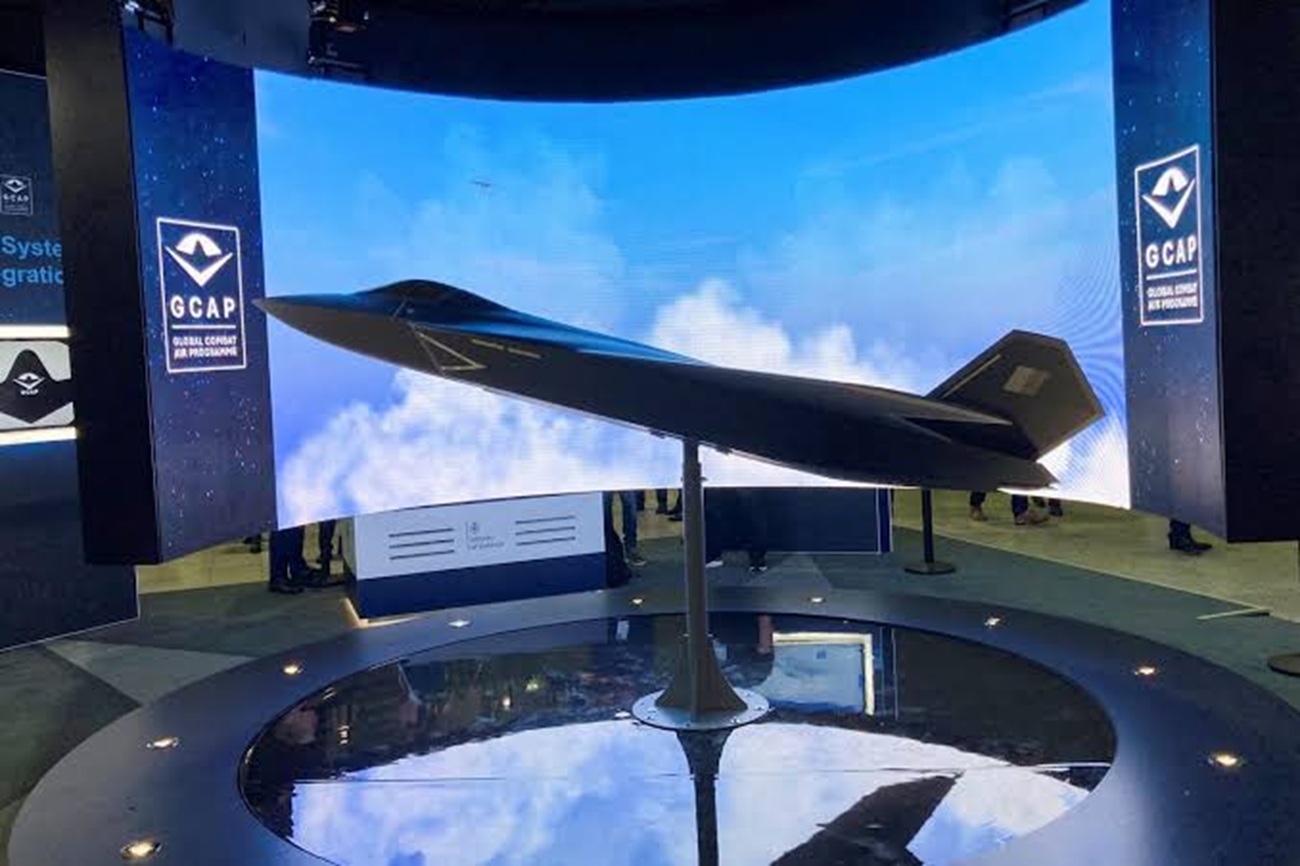
Italy has clarified that it supports Germany’s participation in the Global Combat Air Programme (GCAP), rejecting reports that Rome had attempted to prevent Berlin from joining the next-generation fighter jet project currently led by Italy, the United Kingdom and Japan.
The Italian government said reports portraying its position as opposition to Germany’s entry were “entirely misleading”. According to Rome, Italy has consistently been open to German participation and proposed that Berlin initially enter the programme as an observer, allowing information-sharing to begin immediately while creating a pathway towards eventual full membership.
Italy stressed that the proposal was not intended to restrict Germany’s future role. Instead, it said the arrangement would allow Berlin to become involved without disrupting a programme that has already reached an advanced stage of industrial and technological development.
The position was reiterated during the latest videoconference between the defence ministers of Italy, the UK and Japan, with Rome describing German participation as a “positive opportunity”.
Germany seeks a meaningful industrial role
Germany has been exploring alternatives for its future combat-air capability following the collapse of the fighter-aircraft element of the Future Combat Air System (FCAS) project with France earlier this year.
Berlin has since intensified discussions over a possible role in GCAP, although German Defence Minister Boris Pistorius has made clear that any decision would depend on whether participation offers Germany an acceptable balance between industrial work share, development costs and the programme timetable.
Reports that Berlin had been offered only observer status initially triggered tensions, with a German official cited by the Financial Times describing such an arrangement as unacceptable if it did not lead to a meaningful role in the aircraft’s development.
Italy’s subsequent clarification changes that interpretation. Rome says observer status should be understood as a transitional mechanism designed to accelerate Germany’s integration, rather than as an attempt to exclude German industry from the programme permanently.
The distinction is important because Germany could bring substantial additional financing, procurement demand and industrial capabilities to GCAP. German aerospace companies, including Airbus, could also seek a significant role if Berlin eventually joins as a full partner.
At the same time, incorporating another major country into an already complex multinational defence programme would require negotiations over intellectual property, production responsibilities, costs and decision-making authority.
Protecting the 2035 deadline
GCAP aims to deliver a sixth-generation combat aircraft from 2035, replacing platforms including the Eurofighter Typhoon and Japan’s Mitsubishi F-2.
The industrial programme is being led by Leonardo, BAE Systems and Mitsubishi Heavy Industries, which have already established key work-sharing and governance arrangements. In July, the three partner countries awarded a £4.6 billion contract to advance the next phase of aircraft design and development.
Keeping the programme on schedule has become one of the partners’ main priorities. The UK has said it is open to exploring credible participation by additional countries, but stressed that any expansion must not slow development.
For Germany, joining GCAP could provide a faster route to a next-generation combat aircraft following the breakdown of its previous cooperation with France. For the existing partners, German participation could bring greater scale, funding and future orders, while potentially strengthening Europe’s defence-industrial base.
The debate therefore now centres less on whether Germany should be excluded and more on how and when it could enter without reopening agreements that risk delaying the programme.
Italy’s clarification leaves the door open to that outcome.
The next stage will determine whether Berlin and the three founding partners can agree on the conditions required for Germany to move from an observer role to full participation in one of the world’s most ambitious defence programmes.