Lufthansa Cargo expands German air freight capacity with LUG acquisition, awaits antitrust nod
Lufthansa Cargo's acquisition of LUG aircargo handling strengthens its warehouse network and operational flexibility in Germany as it awaits regulatory approval.

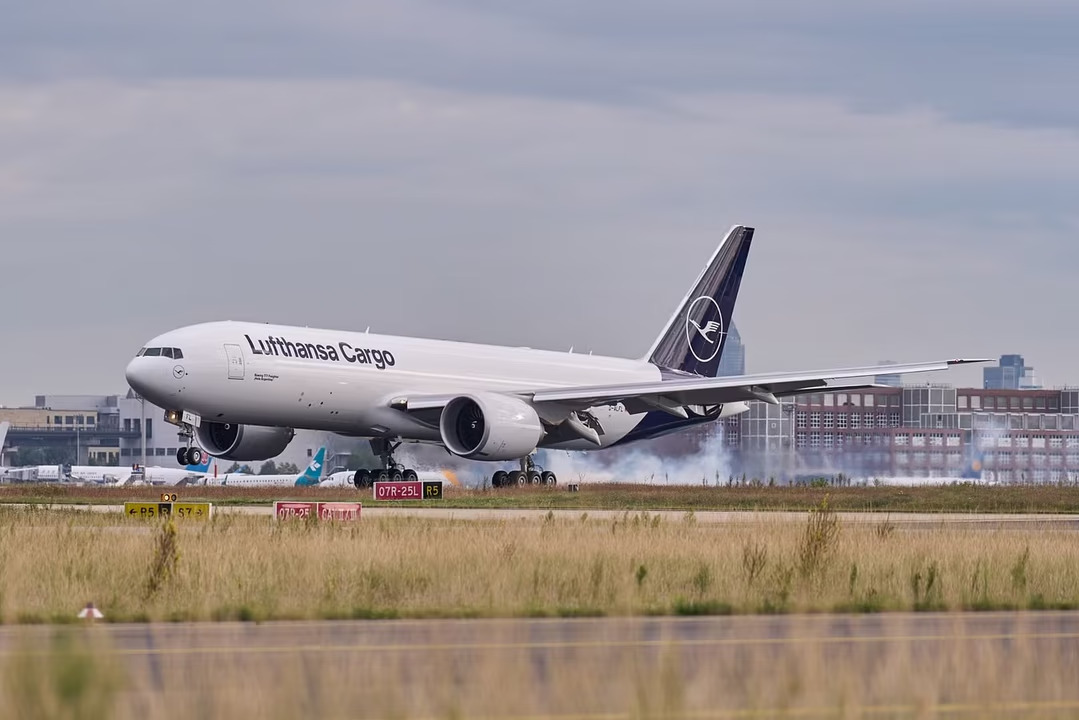
Lufthansa Cargo has completed the acquisition of LUG aircargo handling, significantly expanding its operational infrastructure in Germany as it seeks to strengthen its position in the competitive air freight market.
Announced in September and finalised on 3 November, the deal sees Lufthansa Cargo acquire LUG from the Dettmer Group for an undisclosed sum. With the transaction now closed, LUG will continue to operate as a separate entity under its established brand within Lufthansa Cargo, a move designed to maintain its existing customer relationships and service continuity.
The acquisition provides Lufthansa Cargo access to approximately 50,000 sq m of covered warehouse space and an additional 18,000 sq m of office and infrastructure space across Germany. This expanded footprint is expected to enhance Lufthansa Cargo’s handling capacity and operational flexibility, key factors as the company implements its €600 million LCCevo modernisation programme in Frankfurt.
According to Frank Bauer, Chief Operations Officer at Lufthansa Cargo, the integration of LUG is set to open new business opportunities for both companies, positioning them to respond more efficiently to customer needs and market dynamics. The transaction, however, remains subject to antitrust approval, which could delay full operational integration.
Market analysts note that the move comes at a time of increased competition in the German air cargo sector, with carriers and service providers investing heavily in infrastructure and digitalisation to capture post-pandemic growth. Lufthansa Cargo’s expanded network is expected to improve operational efficiency and unlock new revenue streams, though the effectiveness of the acquisition will depend on market conditions and regulatory outcomes.
For investors and policymakers, the deal underscores the strategic importance of logistics infrastructure in supporting Germany’s role as a European freight hub. The acquisition also highlights the growing need for flexible and scalable cargo solutions amid changing global trade flows and increasing demand for air freight services.