PTP opens Cadiz cold hub to strengthen Mercosur food exports into Europe
The Argentine logistics group has inaugurated a 20,000-pallet refrigerated terminal in southern Spain, creating a new platform for South American exporters to store, negotiate and distribute perishable goods directly within the European market.

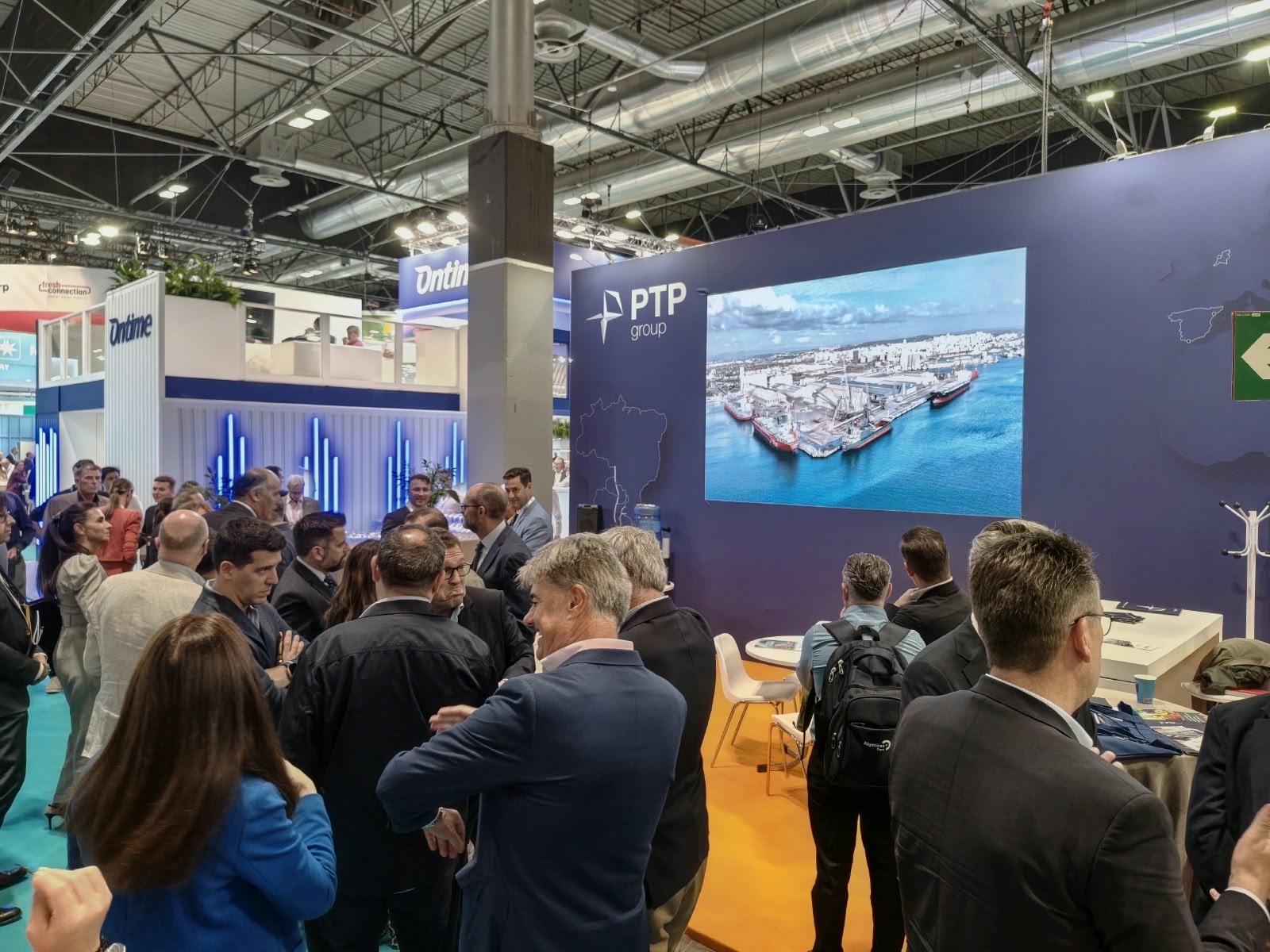
Argentine logistics group PTP Group Logistics has strengthened its European footprint with the inauguration of a refrigerated and frozen cargo terminal at the Port of Cádiz, a project designed to connect food exporters from South America, North Africa and other Southern Hemisphere markets with European buyers.
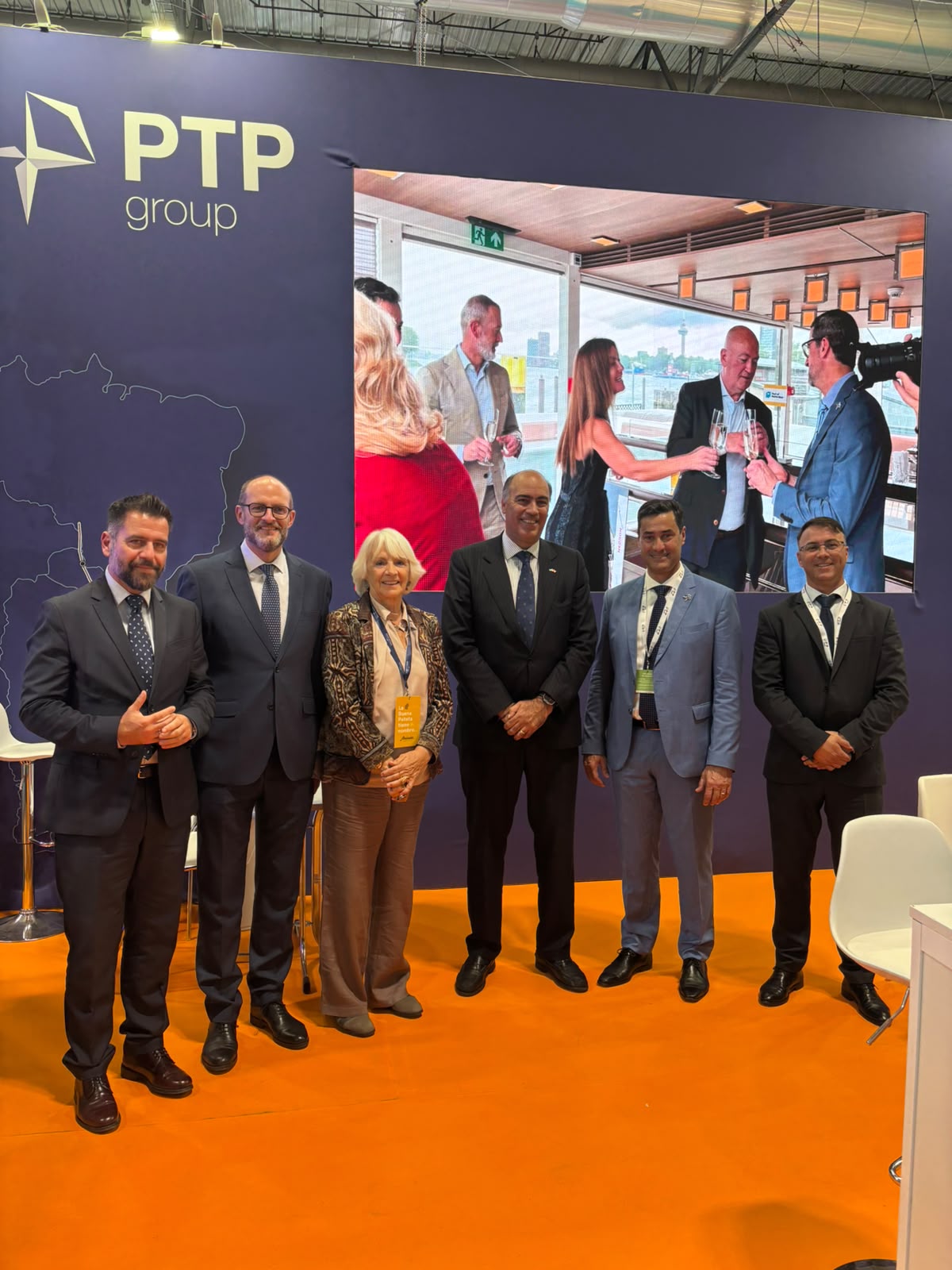
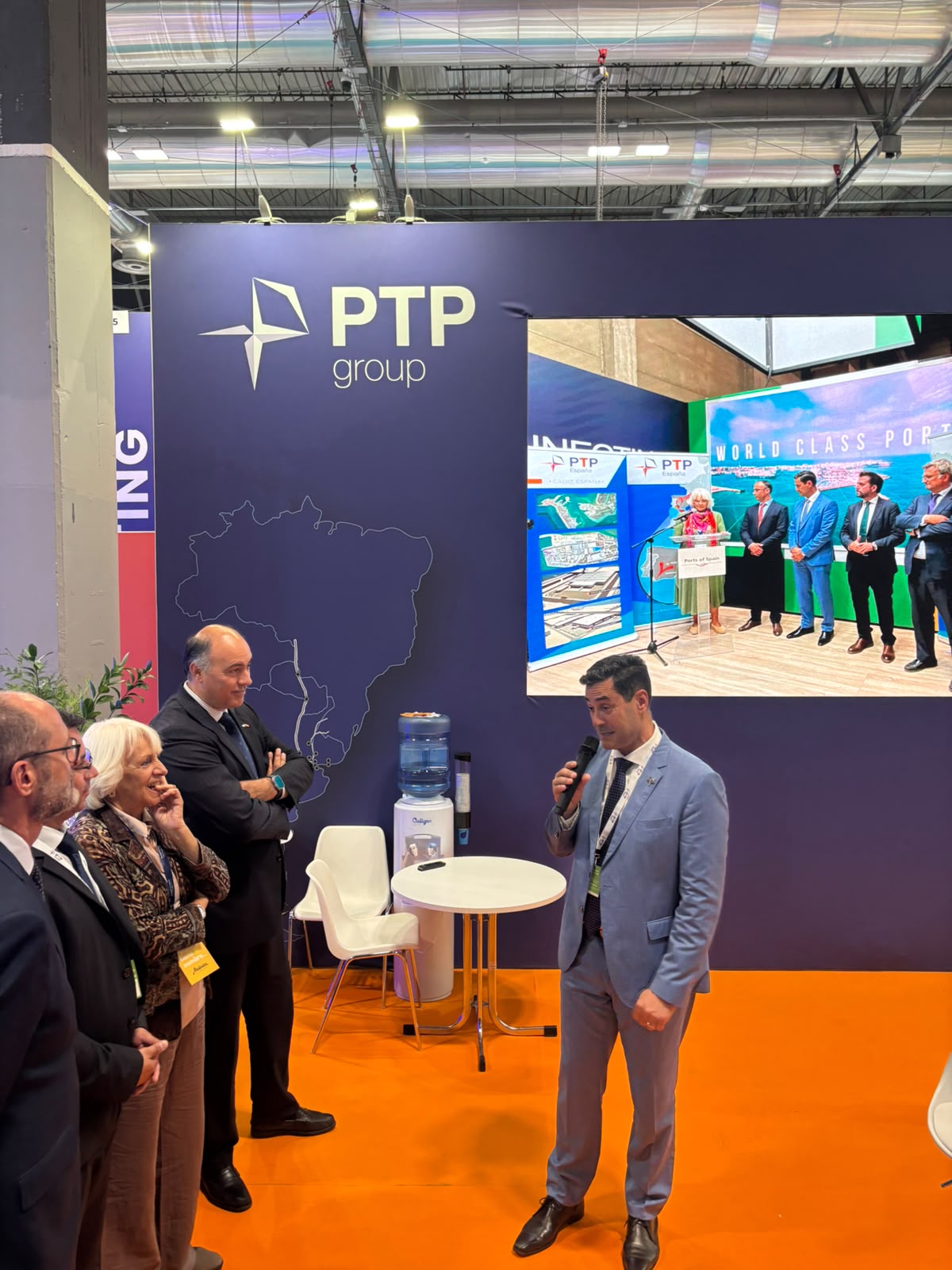
The terminal, recently showcased at Fruit Attraction in Madrid, has capacity for 20,000 pallet positions and places PTP directly inside one of the world's largest consumer markets for fresh and refrigerated products.
For Guillermo Misiano, CEO of PTP Group Logistics, however, static capacity tells only part of the story. The business model is built around highly dynamic cargo flows whose turnover varies significantly depending on product origin and temperature requirements.
“The terminal has 20,000 pallet positions, but these are high-rotation products,” Misiano told EUBizNews.
Fresh produce kept at approximately 3°C, 4°C or up to 10°C tends to move rapidly through logistics facilities, while larger shipments arriving from markets such as South America and South Africa have a different operating cycle because vessels carry higher volumes per shipment.
A third segment is increasingly important: North Africa.
According to Misiano, cargo flows from that region are currently expanding at around 25% year-on-year, supported by strong trade links with Europe and growing movements of fruit and vegetables.
With such different markets converging on Cádiz, PTP does not yet want to establish a definitive annual throughput figure. Nevertheless, Misiano estimates that the nature of perishable products could generate turnover equivalent to between 15 and 20 times the facility's static pallet capacity.
A European base that changes the exporter's bargaining power
For PTP, the opportunity extends beyond handling higher cargo volumes.
The provisional implementation of the EU-Mercosur trade agreement has created a new framework for companies in Argentina and other South American markets seeking to increase their presence in Europe. Lower tariffs improve competitiveness, but Misiano believes the most important impact may be greater predictability for exporters.
“The EU-Mercosur agreement obviously helps enormously. By reducing tariffs and providing greater certainty, it gives Mercosur exporters better conditions to reach the European market,” he said.
For agricultural and food exporters, even small tariff differences can have a significant effect on margins. Yet the ability to physically store the merchandise inside Europe can prove just as important.
Perishable shipments face sanitary controls, regulatory procedures and possible disagreements with authorities or buyers once the cargo reaches its destination. With refrigerated infrastructure available in Cádiz, exporters gain time to resolve those problems without immediately compromising the commercial condition of their goods.
“If there is a discussion, either with the buyer in Europe or with the authorities, the exporter has somewhere to unload the vessel and store the product while keeping it in commercial condition until the administrative situation is resolved,” Misiano explained.
The same infrastructure can strengthen exporters when commercial conditions change after a shipment has already crossed the Atlantic.
A buyer may try to renegotiate prices after finding alternative supply, but having the merchandise already stored inside Europe gives the producer additional options.
“Having the product in Europe empowers the Latin American exporter,” Misiano said. “They can replace or eliminate links in the commercial chain. They could even sell to their customer's customer.”
PTP therefore sees refrigerated storage as more than a logistics service. It can operate as a form of commercial protection against delays, forced discounts or dependency on a single importer.
“It effectively works as coverage, as insurance that helps prevent additional costs or having to sell the product below value,” he added.
The model is particularly relevant for Southern Hemisphere producers, which typically supply Europe during counter-season periods.
According to Misiano, being able to position merchandise directly in Europe can allow exporters to enter the market earlier and remain active for additional weeks during seasonal transitions, increasing their potential commercial window.
Cádiz becomes part of a wider European expansion
The Spanish terminal also forms part of a broader international strategy by PTP Group Logistics.
After establishing its position in Cádiz, the company is focused on consolidating additional developments in Tarragona and Rotterdam, which Misiano described as significantly larger and more ambitious projects.
“We are now focused on consolidating the developments we have in Europe. Tarragona and Rotterdam are very ambitious projects, much larger than Cádiz,” the executive told EUBizNews.
The strategy points to a shift in scale for a logistics company originating in Argentina: from managing international trade flows to developing infrastructure within some of Europe's most important logistics corridors.
At the same time, PTP does not plan to concentrate its investment agenda exclusively overseas.
Misiano said the group is also assessing opportunities emerging in Argentina, where several sectors of the economy are generating new demand for logistics infrastructure and investment.
“Perhaps today the focus is also increasingly on capturing the new opportunities emerging in our country, where different engines of the Argentine economy are creating very interesting investment alternatives,” he said.
The combination creates a distinctly transatlantic strategy: infrastructure and investment in South America paired with physical logistics platforms inside Europe.
For Mercosur exporters, the Cádiz terminal can therefore offer more than cold-storage capacity. It provides a foothold inside the European market from which companies can manage inventory, sanitary risks and commercial negotiations closer to their final customers.