
Spain Launches First Pre-Commercial Marine Solar Demonstrator at Port of Valencia
BlueNewables has begun testing a 1 MW floating solar installation at the Port of Valencia, marking a milestone for offshore renewable energy in Spain.

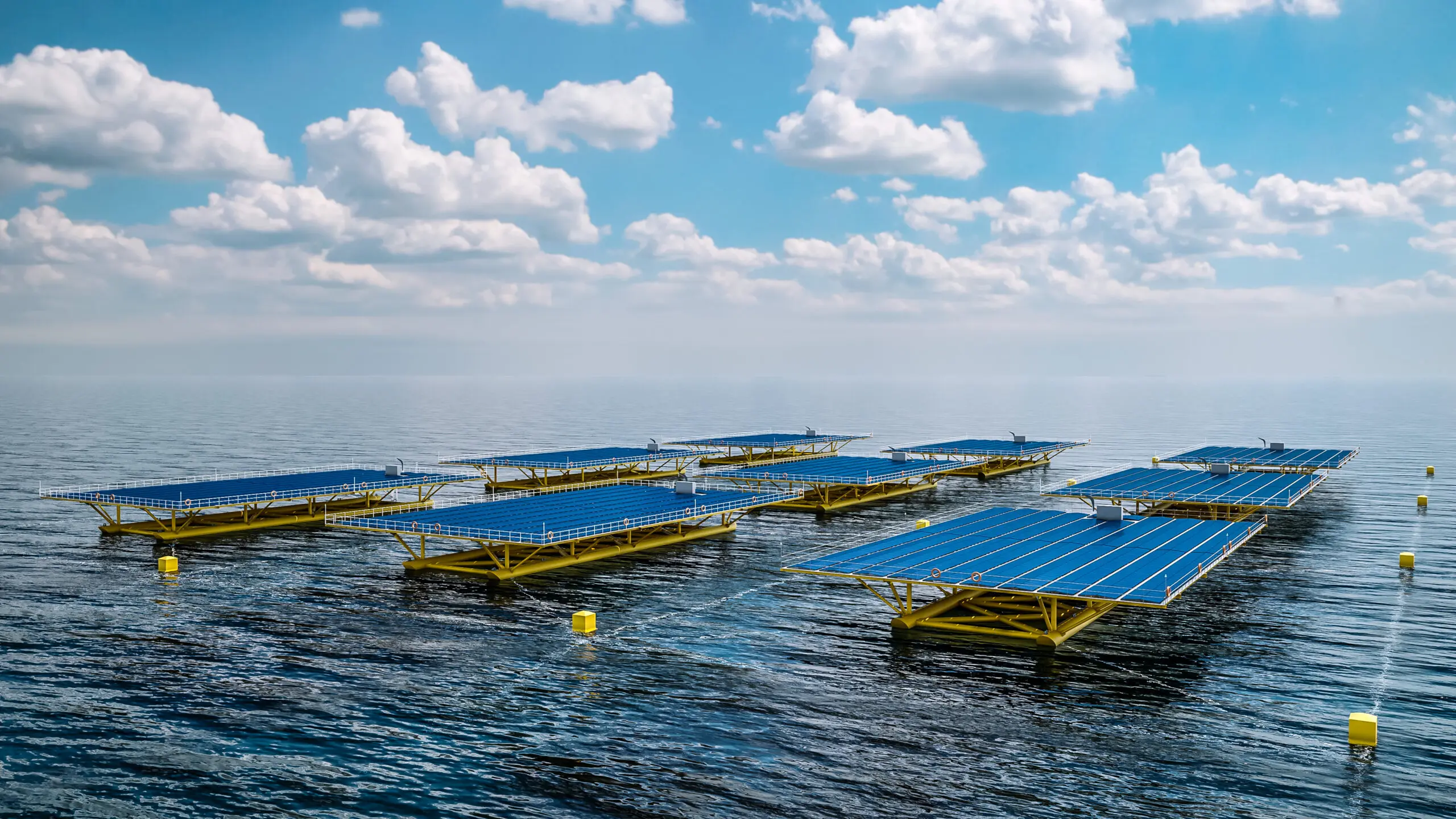
BlueNewables has commenced testing of Spain’s first pre-commercial offshore floating solar demonstrator, a 1 MW facility installed at the Port of Valencia, in a move that could accelerate the adoption of marine solar technology in European and Latin American coastal regions.
The demonstrator consists of two 500 kW PV-bos platforms designed to assess the performance and integration of floating photovoltaic (PV) systems under real marine conditions. The first platform was launched in May at the San Enrique shipyard in Vigo, with the testing phase officially beginning on 2 October 2026 at the port.
The project forms part of the Renmarinas Valenciaport initiative, funded by Spain’s Institute for Energy Diversification and Saving (IDAE) with support from European Union NextGenerationEU funds. It aims to generate operational data to inform future deployment of floating solar arrays, particularly in port environments where available land is limited.
Naturgy is collaborating on the project, while the Port Authority of Valencia is providing the testing infrastructure. According to information published by pv magazine Global, the initiative is expected to offer insights into the technical viability, energy yield, and integration challenges of floating solar in marine settings.
The installation’s success could influence renewable energy strategies beyond Spain, as port authorities and energy companies across Europe and Latin America seek alternatives to land-based solar. Floating PV systems may reduce land use conflicts and maximize available space in densely developed coastal areas.
The project faces risks including potential technical incidents during testing and the possibility of higher-than-expected operational costs. However, if performance targets are met, stakeholders anticipate broader adoption of floating PV systems in other ports and the development of additional marine renewable energy projects using the established infrastructure.
By leveraging EU funding, the initiative underscores the bloc’s commitment to advancing marine renewables and could set a precedent for similar projects across the region. The data collected during the testing phase will be closely watched by policymakers, investors, and port operators evaluating clean energy solutions for coastal economies.