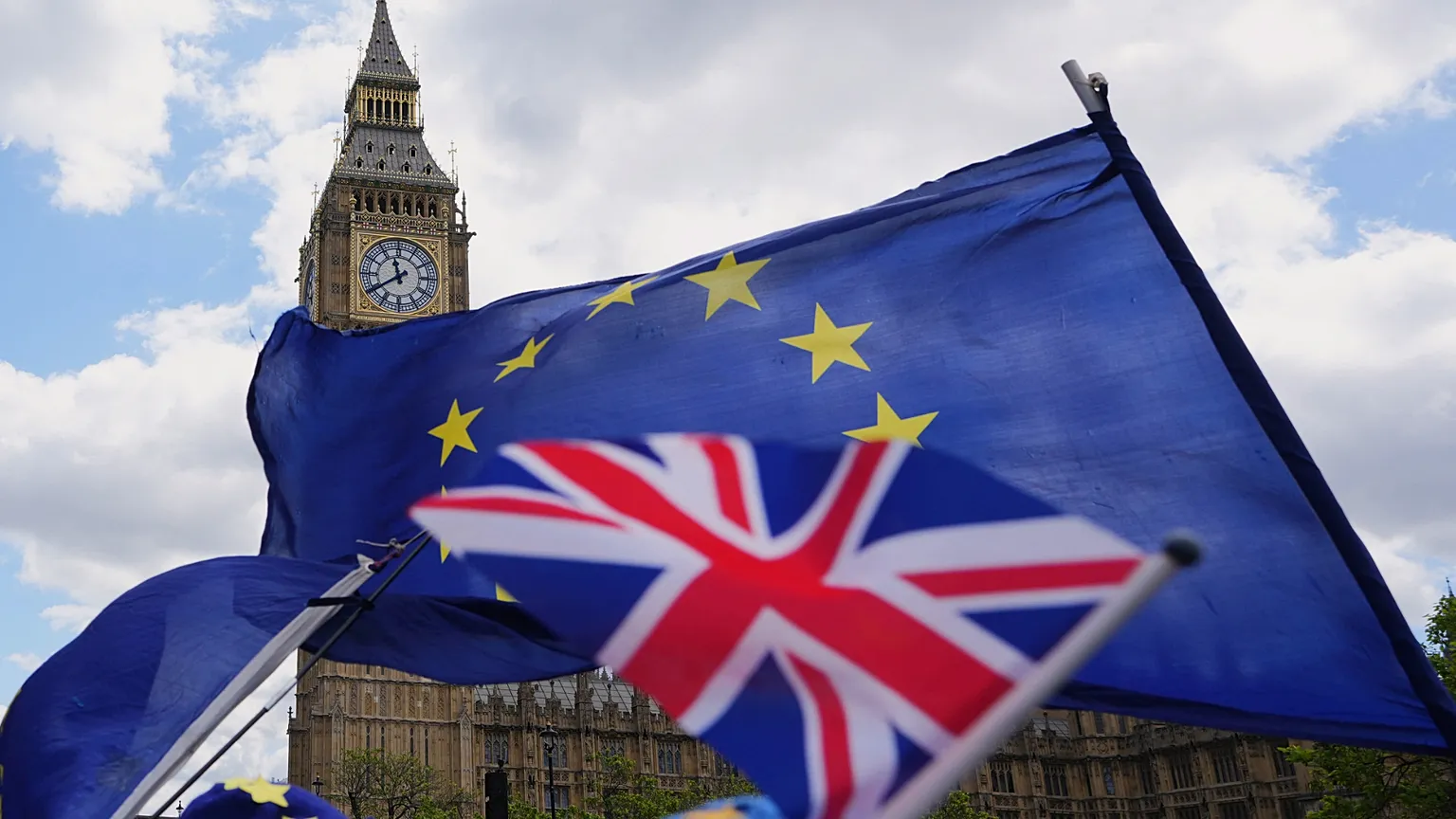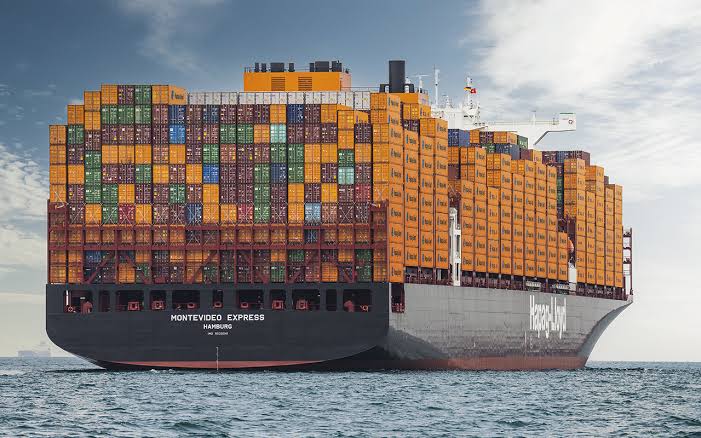
UK-EU food deal offers hope to exporters, but 2028 start frustrates sector recovery
British food exporters welcome a new UK-EU deal easing checks from 2028, but the long wait delays sector rebound.

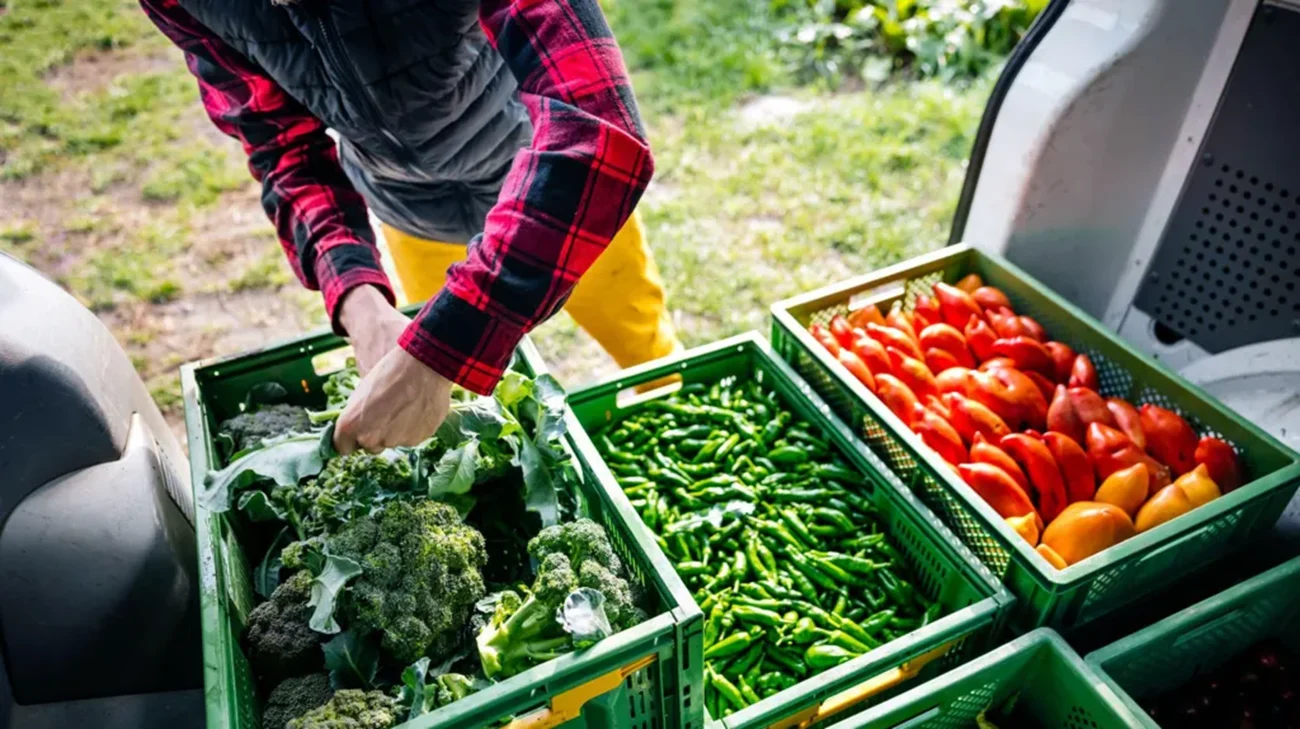
British food exporters have welcomed a new UK-EU food deal that promises to eliminate most physical checks on food, plant and animal products. The agreement, set to take effect on 1 March 2028, is expected to reduce costs and waste for exporters, particularly those in dairy, meat and seafood.
However, many in the sector have expressed frustration over the lengthy timeline, warning that the delayed implementation could slow the recovery for businesses hit hard by post-Brexit barriers. Jamieson Brothers, a Scottish seed potato supplier, estimated it has already incurred about £500,000 in costs to adapt to the loss of EU market access. The sector, once valued at £112 million a year, remains excluded from the deal until 2028.
The live bivalve mollusc sector has also been severely affected, with the pre-Brexit market valued at less than £12 million annually. Three out of four mussel fishing companies in the Menai strait ceased trading after Brexit, illustrating the scale of disruption. For businesses like Offshore Shellfish, the delay in the deal's implementation prolongs uncertainty and continued losses.
Wyke Farms, a Somerset-based cheese and butter maker, highlighted the potential benefits of the agreement in reducing red tape and allowing smoother access to the EU market. Nevertheless, exporters remain cautious, as the timeline means the sector must endure another two years of costly checks and limited market access.
The deal’s eventual implementation is expected to facilitate smoother trade between the UK and EU, potentially revitalising UK food exports and enabling EU delicatessens and retailers to import British goods more easily. For Scottish seed potato farmers, the agreement may offer a chance to recover lost varieties and markets.
Until the deal takes effect, exporters are likely to continue facing challenges, and some sectors may struggle to survive. Industry leaders have called for interim support measures and clear assurances to ensure the agreement is implemented on schedule.