UK interest rates expected to rise, putting 2.3 million homeowners under pressure
Bank of England chief economist Huw Pill signals further interest rate hikes, heightening concerns for millions facing higher mortgage costs.

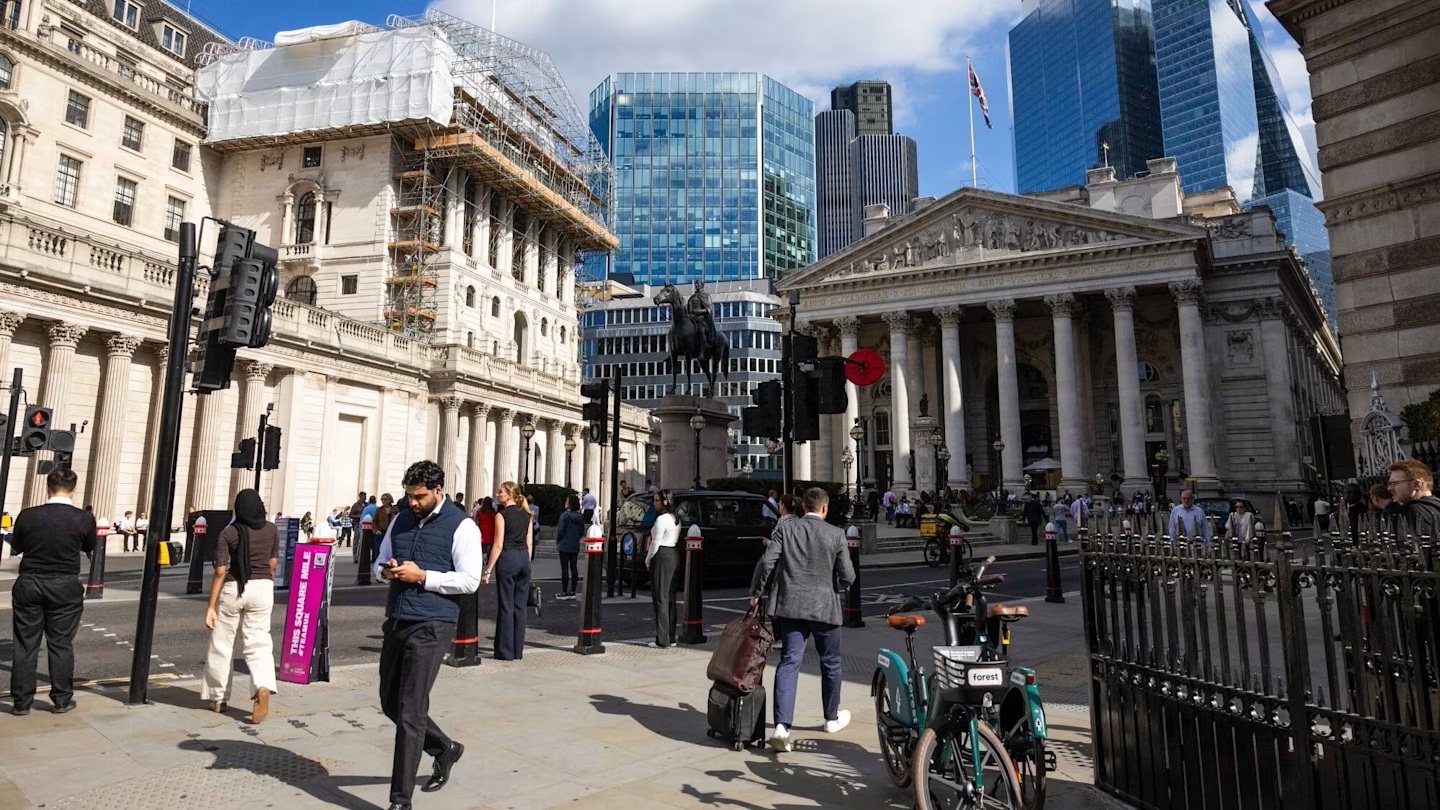
Bank of England chief economist Huw Pill has indicated that UK interest rates are likely to rise further in the coming months, raising concerns for approximately 2.3 million homeowners who will face higher mortgage payments as they refinance their loans.
Pill’s comments come after the central bank raised rates from 3.75% to 4% earlier this month, as policymakers aim to combat inflation, which is now forecast to reach 5% by spring 2027. The expected rate increases follow persistent high oil and gas prices linked to the ongoing war in Iran, which have pushed up energy costs for households and businesses alike.
The UK economy recorded 0.7% growth in the third quarter, with only the US outperforming among G7 nations. However, the prospect of further rate hikes clouds the outlook for consumer spending, with the cost of borrowing set to rise and an energy price cap expected to reach £2,000 for a typical home. Council tax bills are also projected to increase by an average of 5%.
UK interest rates could reach nearly 5% by 2027, intensifying the financial burden on homeowners and raising the risk of a slowdown in already struggling sectors such as manufacturing and construction. These industries have faced contraction in recent months and are particularly sensitive to higher borrowing costs.
Despite these risks, some economists note that wage growth could provide a partial offset, supporting workers as the broader economy strengthens. However, any benefits may be unevenly distributed, and the impact on overall demand remains uncertain.
The next policy decision by the Bank of England is set for 17 December 2026, with analysts closely watching for signs of further tightening. Market participants and policymakers alike will be monitoring inflation data and the response of the real economy to determine the scope and pace of future rate increases.