Volkswagen posts €5.8bn Q3 loss as Chinese rivals intensify pressure, plans 120,000 job cuts
Volkswagen's €5.8bn third-quarter loss highlights mounting pressure from Chinese competitors and the need for restructuring.


Volkswagen reported a €5.8 billion loss in the third quarter of 2023, a sharp deterioration from the €1.1 billion loss posted in the same period last year, as the German automaker struggles to keep pace with Chinese competitors and a shifting automotive landscape.
Sales for the quarter fell 6.3% to €75.3 billion, further underlining the scale of the challenges facing Volkswagen. The company warned of a €10 billion hit to its annual profit, largely due to a decline in the value of its stake in Porsche.
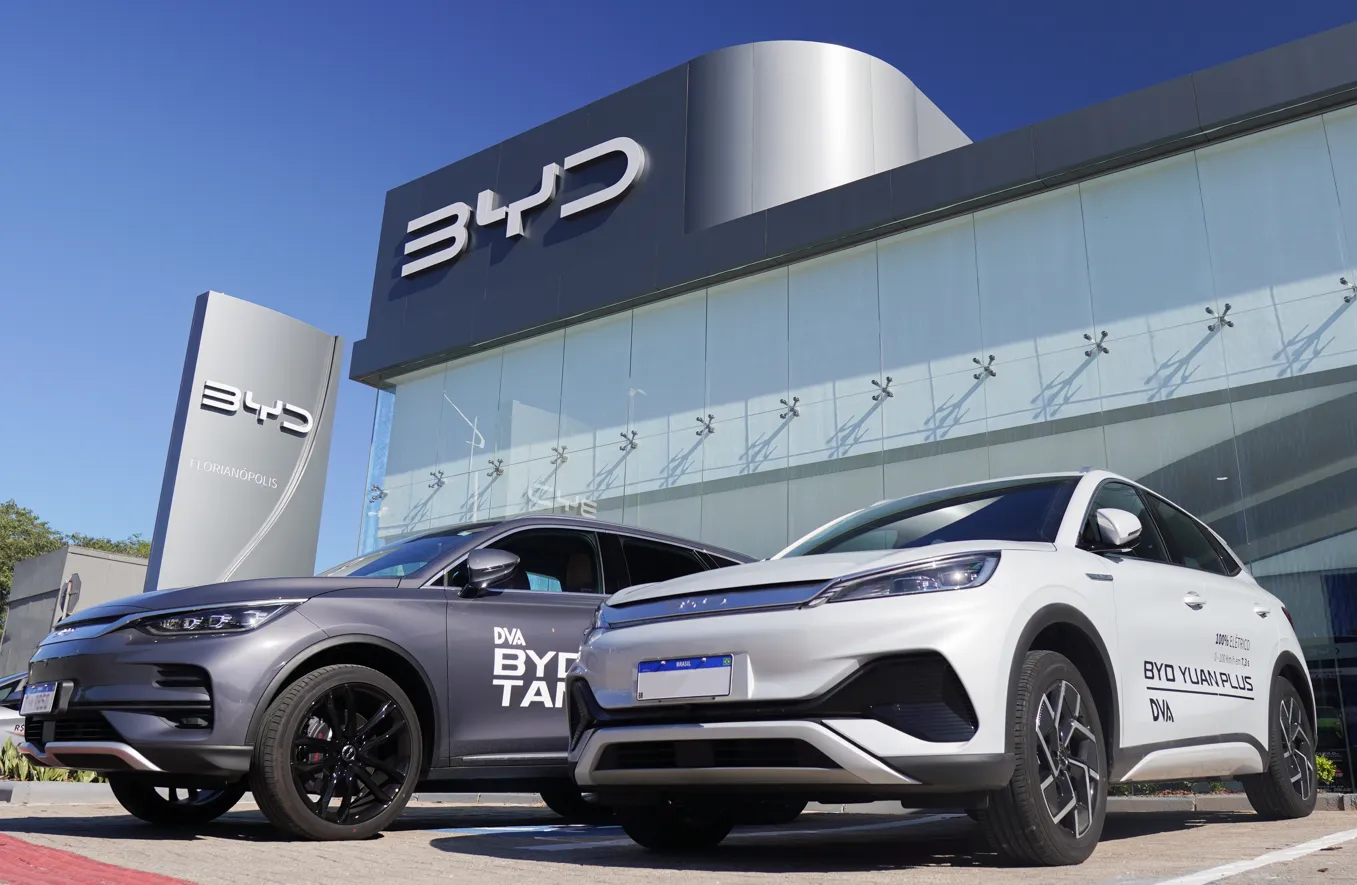
The loss underscores the intensifying competition from Chinese automakers, especially in electric vehicles, where local brands have gained significant market share in both China and globally. Volkswagen's transition to electric mobility has been hampered by falling demand and cost pressures, with Chief Financial Officer Arno Antlitz acknowledging the need for rapid adaptation.
In response, Volkswagen outlined a major restructuring, including plans to cut 120,000 jobs across the group by 2030. Restructuring costs are projected at €31 billion, as the company seeks to streamline operations and restore profitability.
The implications extend beyond Volkswagen itself. For Europe, the losses highlight the vulnerability of established automakers to global competition, particularly from China. For Latin America, where Volkswagen maintains a significant presence, potential job cuts and a strategic shift toward electric vehicles may affect local operations and supply chains.
Despite the steep losses, analysts point to opportunities in Volkswagen's restructuring efforts, which could improve efficiency and better position the company to compete in the evolving automotive market. However, the scale of the challenges raises questions about the long-term outlook for legacy manufacturers facing aggressive new entrants and changing consumer preferences.