Battery-electric bulk carriers outpace hydrogen in Norwegian coastal shipping costs
A new analysis finds battery-electric bulk carriers could save up to €14.13 million over 15 years compared to hydrogen alternatives in Norway.

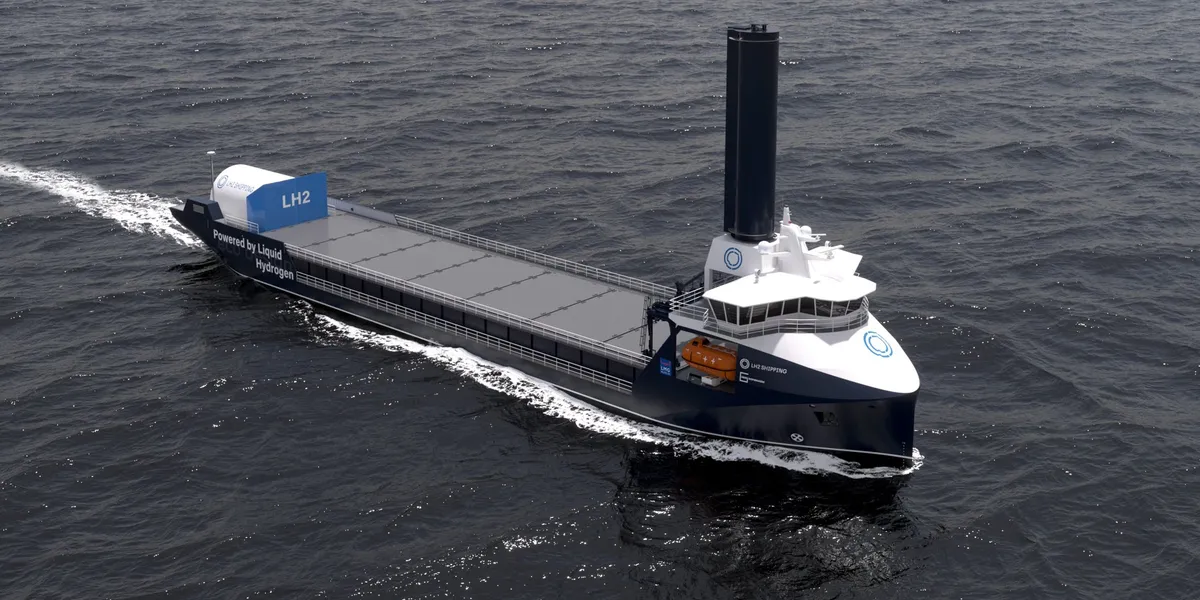
Battery-electric bulk carriers are emerging as a significantly more cost-effective solution than hydrogen-powered vessels for Norway's coastal shipping sector, according to a recent analysis reviewed by EUBizNews.
Despite claims from GMI Group—the Norwegian shipping company developing four hydrogen-electric bulk carriers—that hydrogen propulsion would reduce lifetime costs, the study found battery-electric alternatives would be €11.64–14.13 million cheaper over 15 years, even after accounting for public grants.
The scenario modeled the total costs for both vessel types, factoring in a €13.1 million public support per hydrogen vessel and a cumulative €42.9 million in Enova awards for the four ships. Battery-electric ships were projected to cost €29.55 million over 15 years, while hydrogen alternatives would reach €43.68 million for shipowners, post-grant. Hydrogen propulsion was found to be 50–58% more expensive than conventional diesel, raising questions about its economic viability for short coastal routes.
PowerCell, the supplier of marine fuel-cell units, confirmed a follow-up order in October 2026 for 24 units totaling 5.4 MW in installed capacity. The first two hydrogen-electric vessels are scheduled for delivery in 2027, with two more expected in 2029.
The findings have broad implications for public funding and investment strategies in maritime decarbonization. If battery-electric solutions consistently outperform hydrogen on cost, public funding agencies such as Enova may need to reconsider the allocation of grants to ensure optimal impact. The results also suggest battery-electric propulsion could become the preferred option for coastal freight, potentially shifting the competitive landscape for shipbuilders and technology suppliers across Europe and Latin America.
Industry observers highlight the risk that public funding may be misallocated if economic evidence in favor of battery-electric alternatives is not fully weighed against hydrogen investments. For coastal shipping operators and policymakers, the analysis underscores the need for continuous engineering and commercial assessments as new technologies advance.