Bertolotti Unveils Battery Shunting Locomotive for Milano Metro at InnoTrans
Italian manufacturer Bertolotti showcased its e² Formula battery shunting locomotive at InnoTrans 2026, marking a step forward for sustainable urban rail and highlighting growing adoption of battery technology in European metro systems.

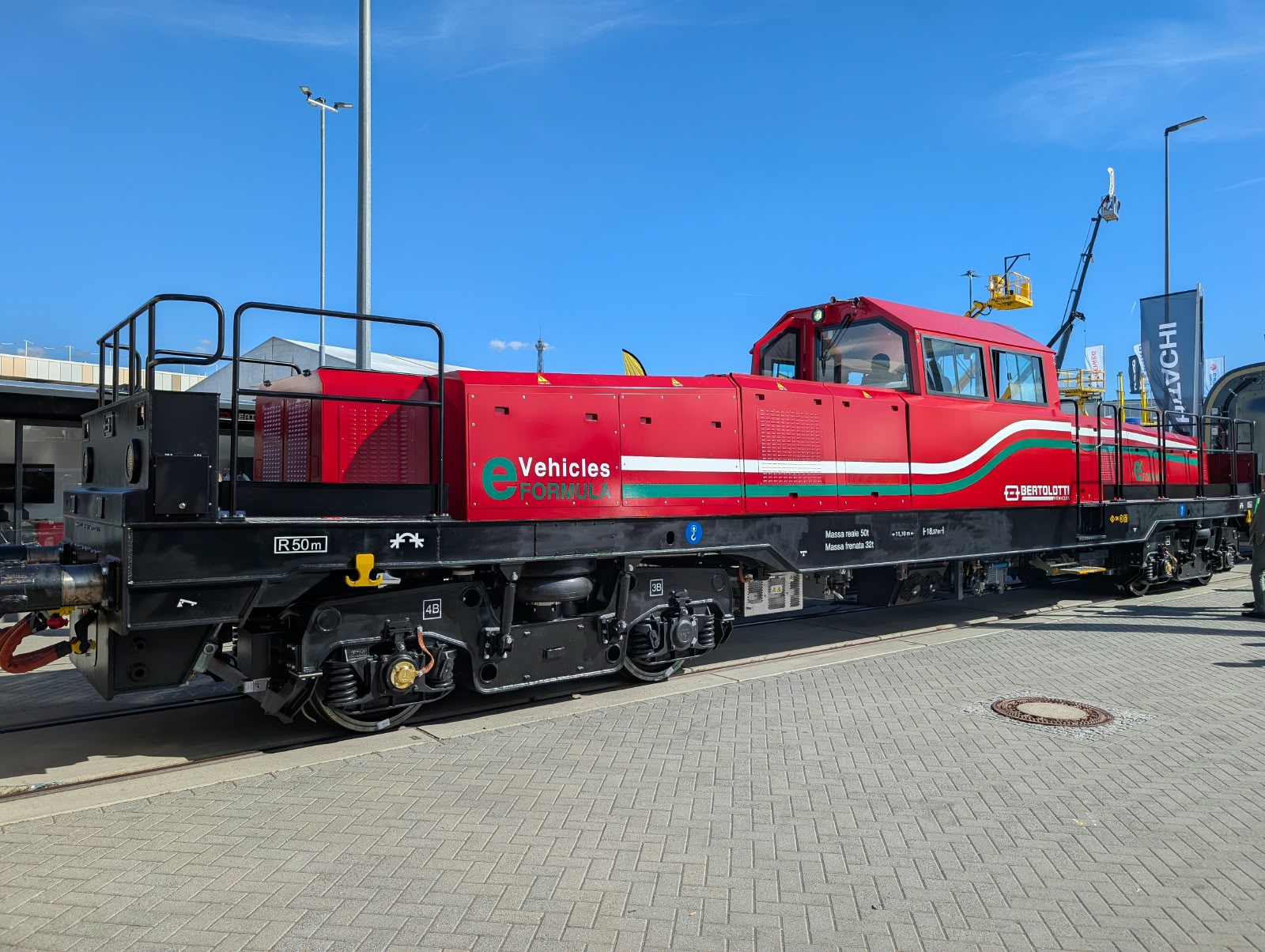
Bertolotti presented its e² Formula battery shunting locomotive at InnoTrans 2026, underscoring the accelerating shift towards battery-powered technology in European urban rail. The locomotive, completed in early September, is part of a delivery of eight units to Milano metro operator ATM for shunting and rescue duties.
The e² Formula features lithium titanate oxide batteries supplied by ABB, which also provides the traction converter and traction motor. According to Bertolotti, the locomotive delivers a continuous rating of 1 MW, capable of moving trains weighing up to 2,900 tonnes at maximum speeds of 30 km/h.
The move to battery locomotives reflects growing demand for sustainable rail solutions. Unlike traditional diesel or third-rail shunters, battery-powered machines offer reduced emissions and noise, aligning with European Union targets for greener transport infrastructure. For metro operators such as ATM, the adoption promises lower operational costs and improved air quality in maintenance areas.
Bertolotti is also supplying eight additional e² Formula locomotives to Napoli regional operator EAV under a €24.4 million contract confirmed in July 2026. In June, an agreement was finalized to deliver two units to Marseille metro operator RTM, with an option for a third, indicating a broadening European market for battery shunting technology.
The partnership with ABB positions Bertolotti to leverage advanced battery and traction systems, though it also introduces dependence on component supply chains. Any delays or technical issues with these critical components could affect delivery schedules or performance.
Industry analysts note that the battery shunting locomotive segment is expanding as operators seek to modernize fleets and comply with evolving sustainability mandates. The successful deployment in Milan, Naples, and Marseille could encourage further adoption across European urban rail networks, influencing future investment and policy directions in sustainable transport.