
EU sues IBM, Atos and Leonardo as border system delays disrupt passenger travel and airports
The EU has filed a lawsuit against IBM, Atos, and Leonardo over significant delays to its new entry/exit border system, causing flight disruptions and long waits for passengers.

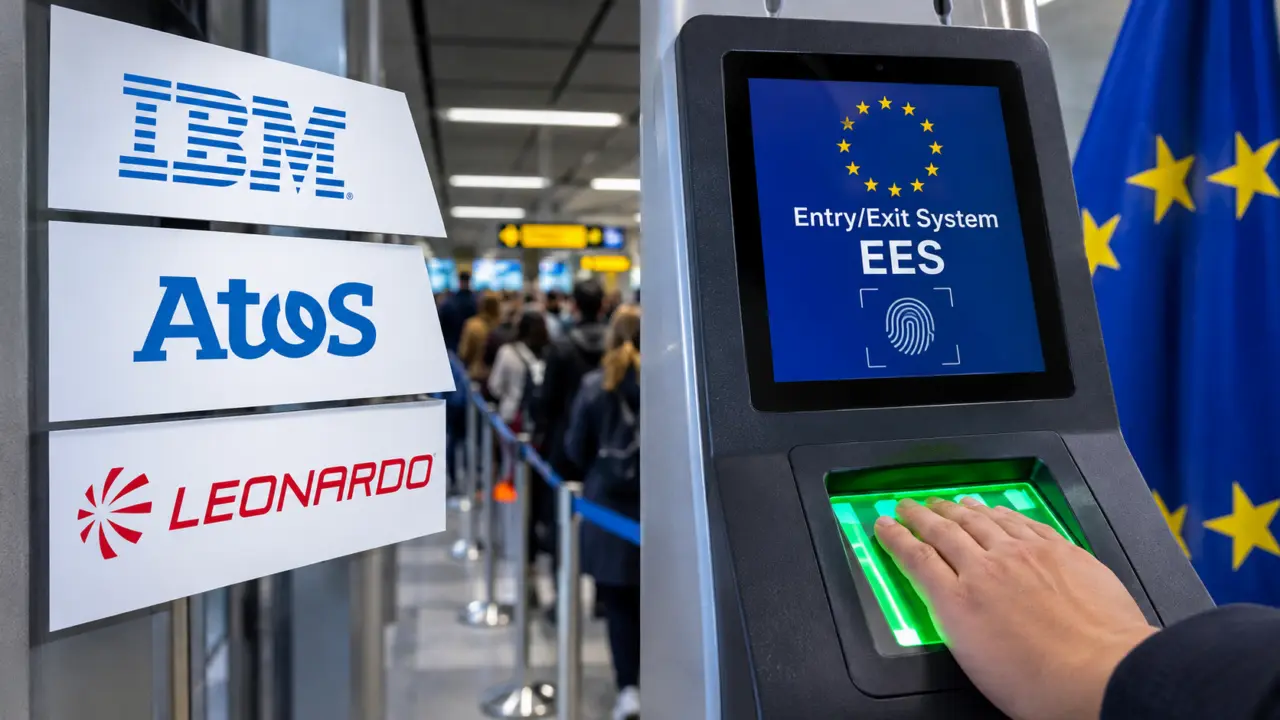
The European Union has launched legal action against IBM, Atos, and Leonardo over significant delays to the bloc’s new entry/exit border system (EES), which has led to severe operational disruptions for passengers and airports since its launch in October 2025.
The lawsuit, filed by EU-Lisa—the EU agency responsible for managing the EES—was submitted to an Estonian court on 22 December 2025, after repeated system delivery setbacks. The legal move seeks to protect the EU’s financial interests and hold the consortium of technology providers accountable.
Since the EES debuted, passengers have faced extensive waiting times—reaching up to three hours during peak periods—due to recurring technological malfunctions and staffing shortages at border crossings. These issues have resulted in missed flights and widespread frustration among travelers, particularly at major European airports.
The troubles have broader operational implications. Airlines and airport operators report increased costs and logistical challenges linked to the unpredictability of border processing times. For the aviation sector, these disruptions threaten tight flight schedules and risk undermining passenger confidence in post-pandemic European travel.
The case underscores the importance of reliable border management systems for the Schengen area, where seamless travel is a core policy objective. By pursuing legal remedies, the EU aims not only to recover potential financial losses but also to reinforce contractual standards for future technology projects.
For IBM, Atos, and Leonardo, the lawsuit introduces potential financial liabilities and reputational risks. The outcome could influence how the EU drafts and enforces IT contracts, with possible implications for future public-private technology partnerships across Europe.
While the immediate priority is restoring efficient border flows, the case could ultimately lead to improvements in the EES, raising the bar for reliability and performance in critical infrastructure projects.