Petrobras Uncovers New Oil Zone in Equatorial Margin, Boosting Brazil's Energy Outlook
Petrobras's latest oil discovery in the Foz do Amazonas basin could strengthen Brazil’s path to energy independence and reshape regional energy dynamics.

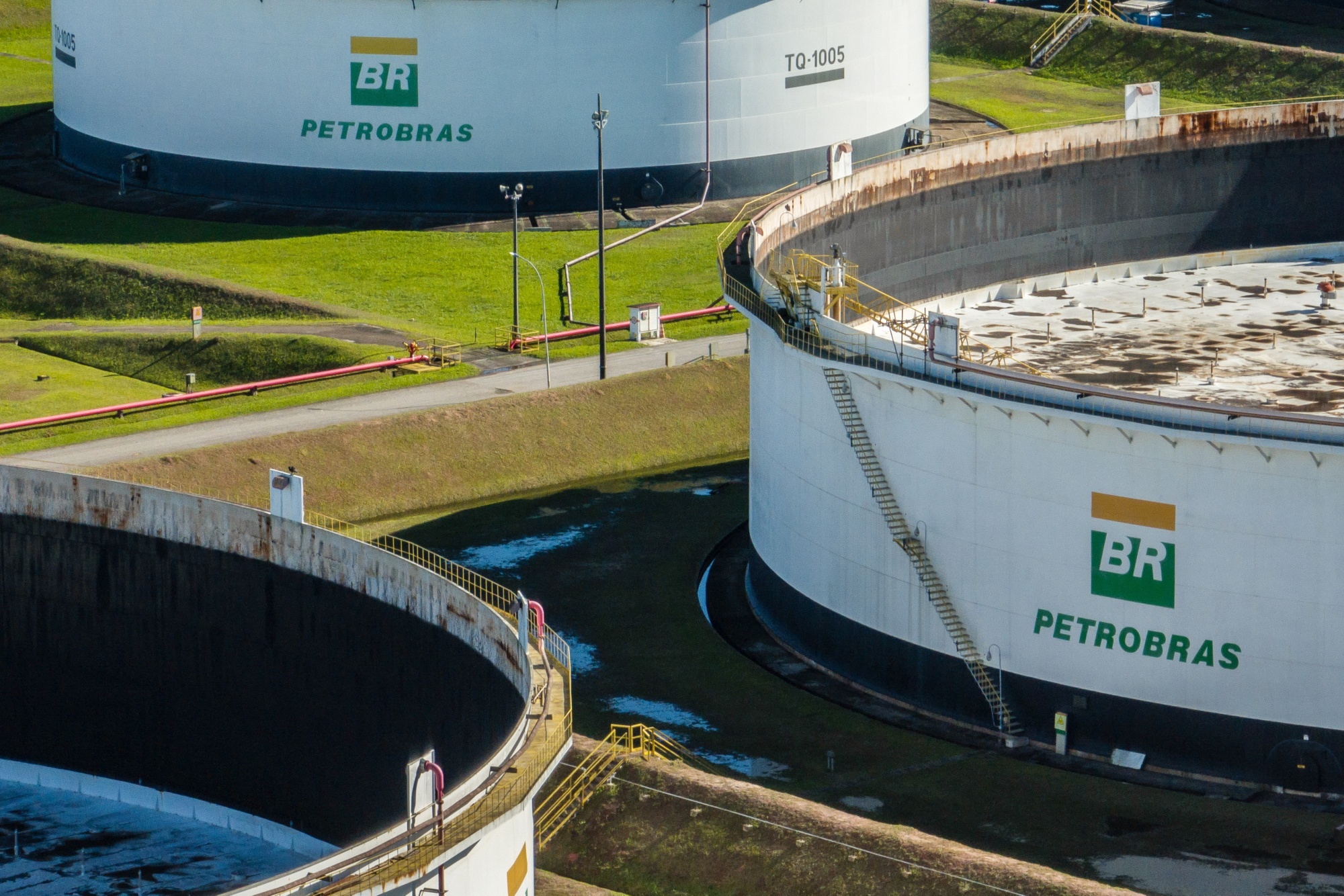
Petrobras has announced the discovery of a new oil-bearing zone in block FZA-M-59 in the Equatorial Margin offshore region, marking a strategic advance for Brazil's energy independence. The find, confirmed at the Morpho well (1-BRSA-1405-APS) at a depth of 2,886 meters off the coast of Amapá, follows the identification of hydrocarbons at the same site just weeks before.
The state-controlled company reported that the new layer was detected through electrical logs, rock, and fluid samples taken during drilling operations. According to Petrobras, these results expand the company’s understanding of the area’s petroleum potential, which is considered one of Brazil’s most promising exploration frontiers.
The Equatorial Margin, particularly the Foz do Amazonas Sedimentary Basin, has attracted attention due to its unexplored ultra-deep water prospects. For Petrobras, the discovery aligns with its long-term strategy to replenish oil and gas reserves and sustain output, at a time when global market volatility and energy security concerns are driving renewed interest in domestic supply.
Industry analysts note that further successful exploration in this region could enhance Brazil’s ability to meet its own energy needs while providing a buffer against external shocks. The find may also support Brazil’s position as Latin America’s largest oil producer, with possible spillover effects for regional supply and economic growth.
Petrobras emphasized that the new data will undergo further analysis to determine the commercial viability of the discovery. The company cautioned that ongoing appraisal is needed, and that environmental conditions must be rigorously managed, given the sensitivity of the Amazon River mouth ecosystem.
The discovery also raises the possibility of additional reserves being identified in neighboring blocks, which could further shift Brazil’s energy profile. However, environmental groups and regulators are likely to scrutinize Petrobras’s next steps, particularly concerning the risks associated with ultra-deep water drilling.
Petrobras’s recent success at Morpho follows a broader industry trend of renewed interest in frontier basins, as companies seek to replace reserves and secure future production. The outcome of ongoing analyses and regulatory reviews will determine the pace and scale of potential development in the region.