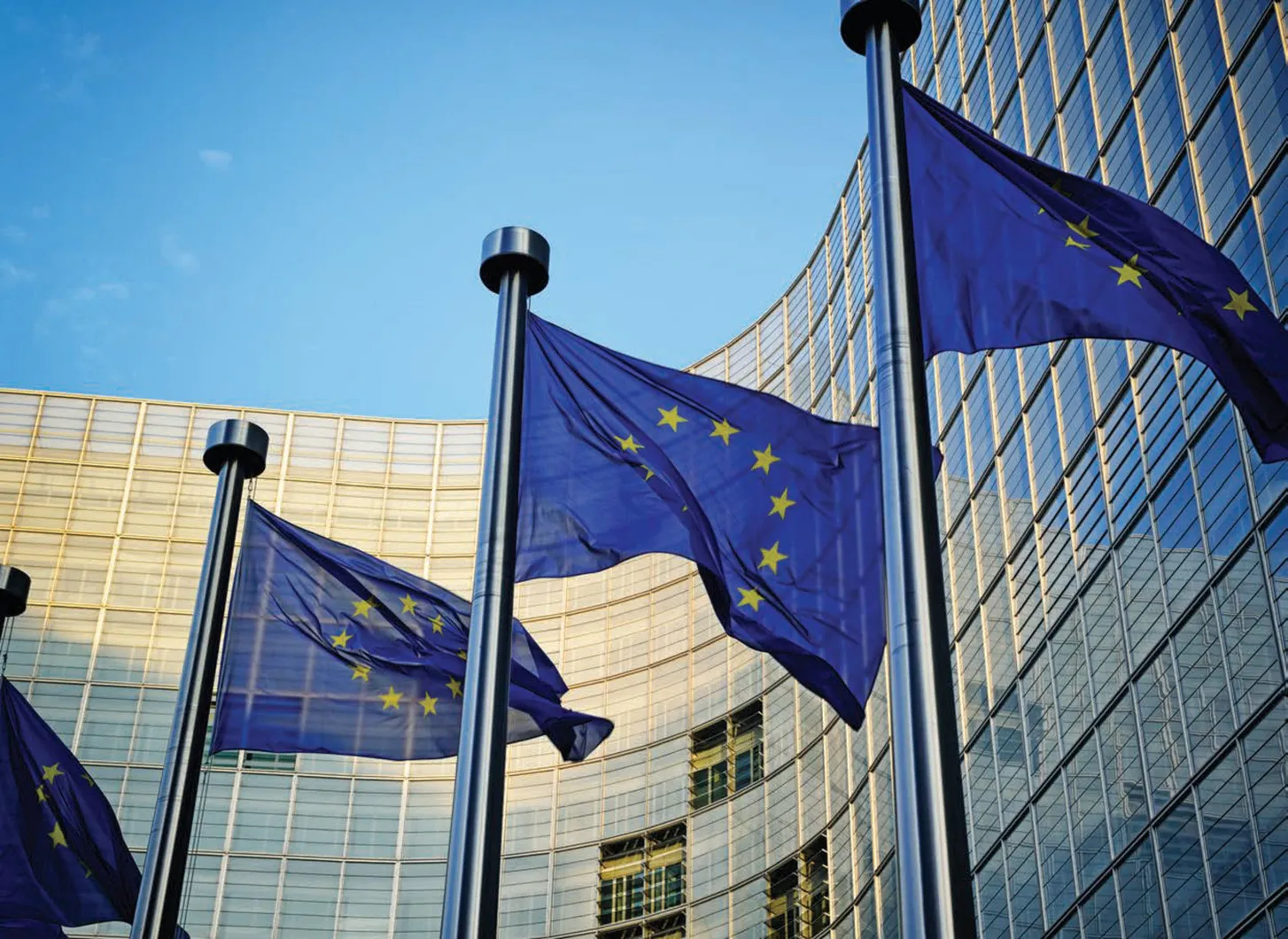
Europe’s Economy Defies Expectations Amid Energy Shock, Survey Data Shows
Recent surveys suggest Europe's economy remains unexpectedly robust despite war-driven energy shocks, supporting market confidence and sector stability.


Editorial Desk
EUBizNews Editorial covers business, investment, startups, energy, mining, infrastructure and EU–Latin America economic relations.
Recent surveys suggest Europe's economy remains unexpectedly robust despite war-driven energy shocks, supporting market confidence and sector stability.

Spanish farm groups warn of widespread crop losses and higher food prices as diesel and fertilizer costs soar following the outbreak of war in Iran, pressing Madrid for immediate intervention.
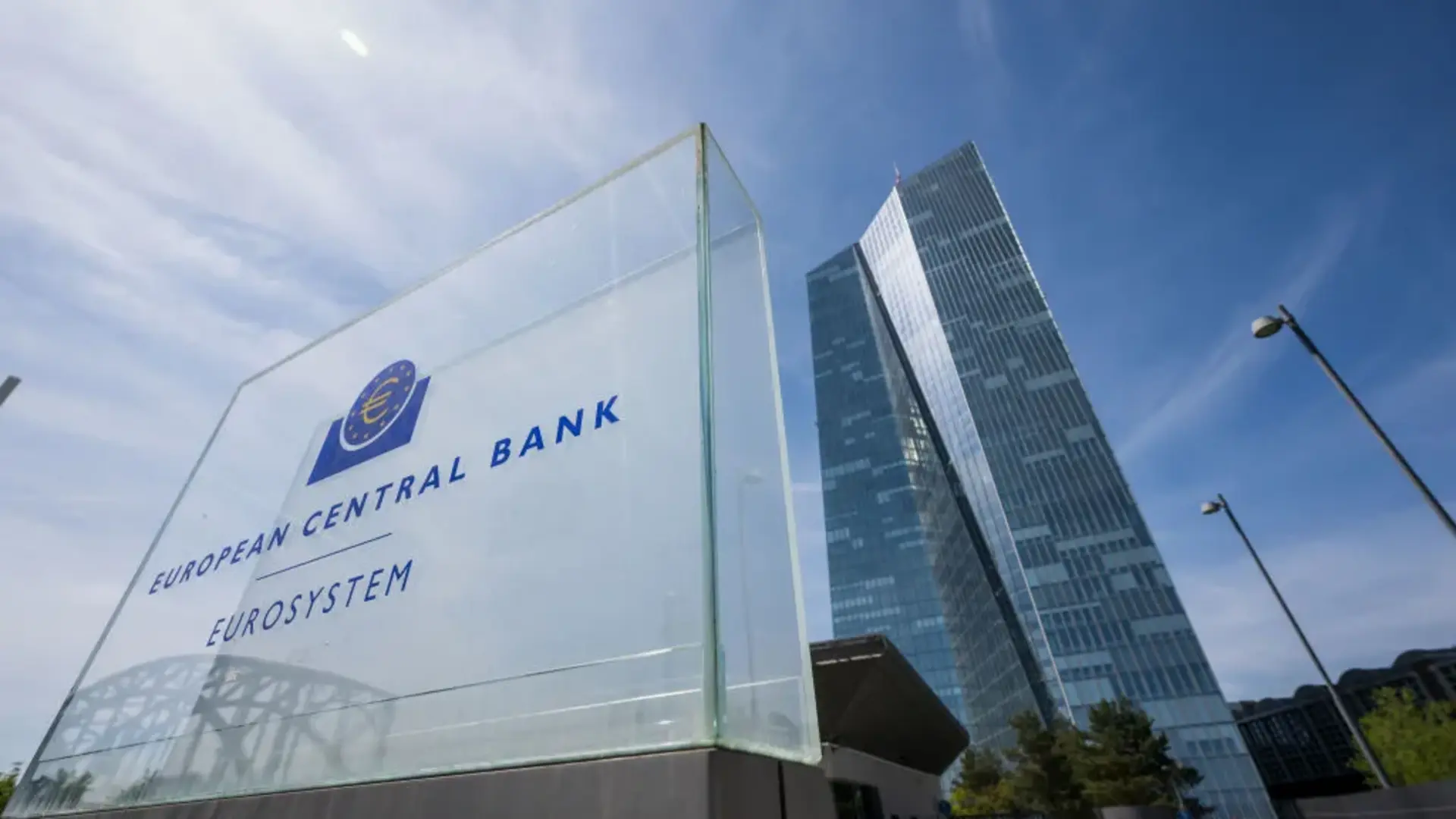
The European Central Bank is pressing for stricter EU crypto regulation, including a broader ban on stablecoin interest and enhanced oversight of dollar-linked tokens.

The project will add a next-generation mill to the company’s existing pasta factory in Foggia between 2028 and 2030. The wider industrial plan also includes negotiations to transfer three other Italian facilities to specialised partners.
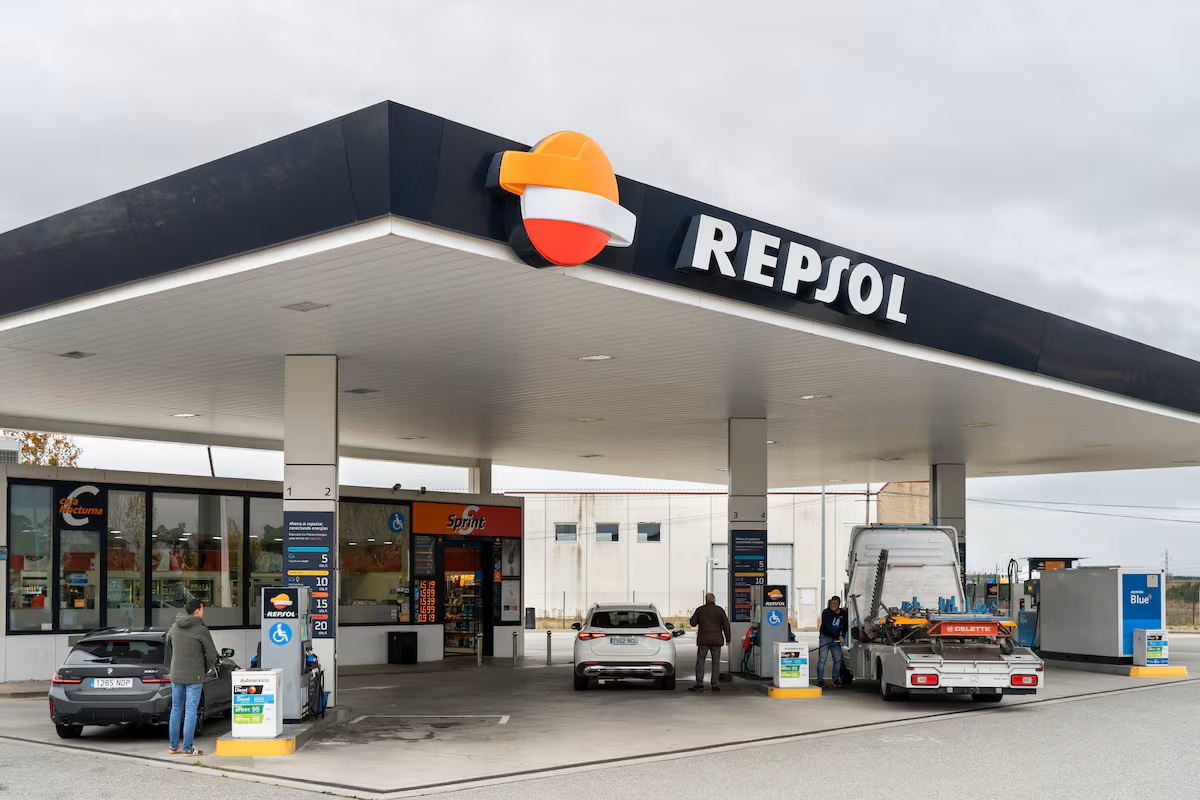
Petrol and diesel costs have climbed to their highest levels since the European Commission began compiling comparable data in 2005. ECB specialists expect diesel refining margins to peak in October, leaving businesses and consumers exposed to further transport-cost pressures.
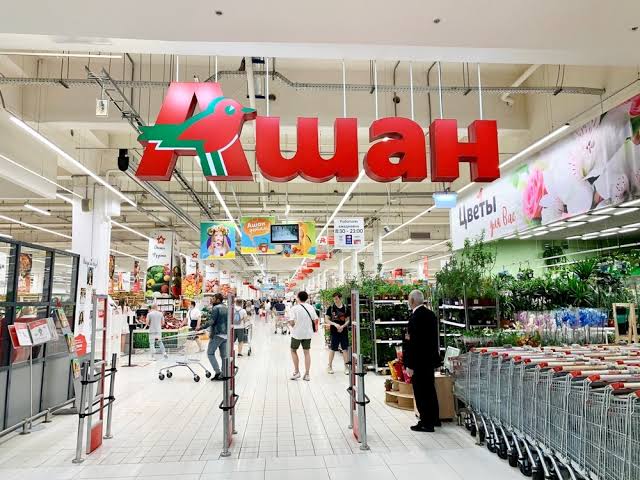
A presidential decree transferred the management of 16 businesses linked to Western groups to a little-known Russian company, escalating the risks facing foreign investors that remain in the country.
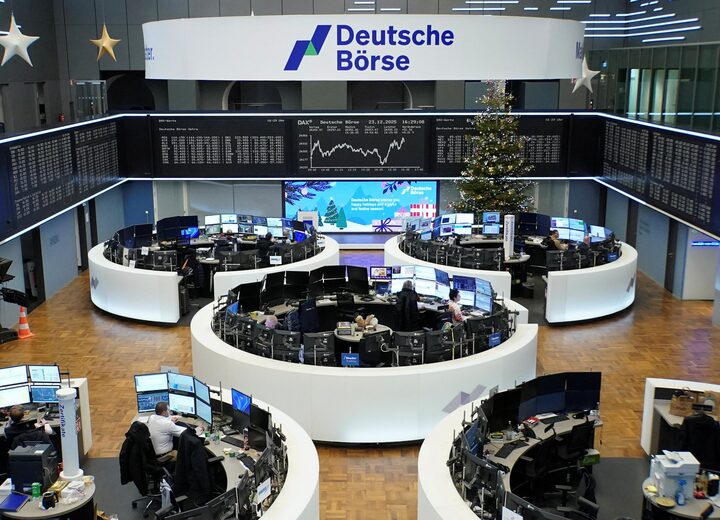
The STOXX 600 advanced 0.5% as investors absorbed the Federal Reserve’s first rate increase since 2023. Lower crude prices supported travel and automotive shares, while attention shifted to the Bank of England.
The US central bank increased its benchmark rate by 25 basis points to 3.75%-4.00% in a unanimous decision. Policymakers also signalled that another increase may be needed before the end of 2026.

The fourth edition will bring together more than 200 executives, producers, investors, policymakers and technology specialists on 21-22 October. Climate risk, European regulation, traceability and supply-chain finance will lead the agenda.

The Irish fashion retailer has formed a strategic partnership with El Puerto de Liverpool to launch in Mexico through a franchise model. Store locations, opening dates and the pace of expansion have yet to be disclosed.

The British fintech has completed the regulatory process required to operate as a bank in Colombia. It will invest an additional €53.7 million in local infrastructure and says almost 200,000 people have joined its waiting list.
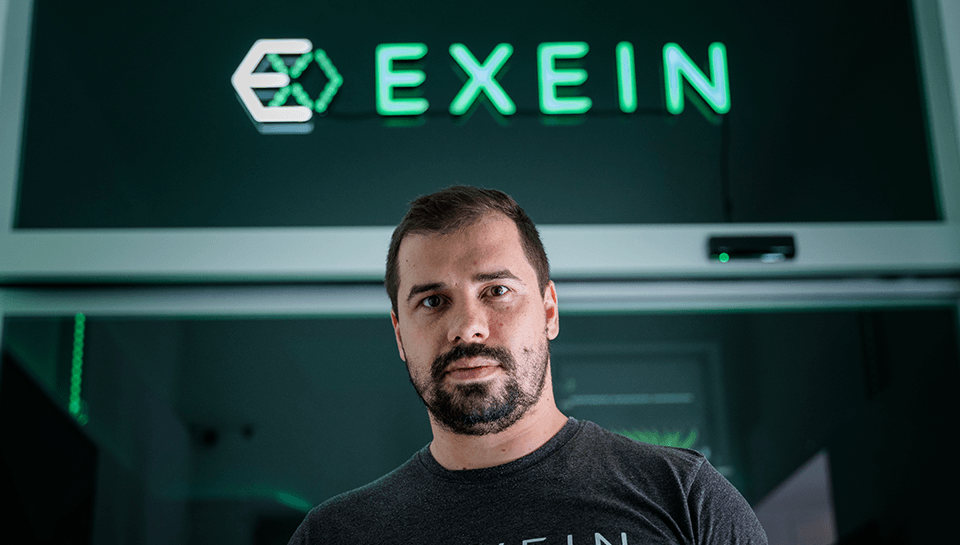
The Rome-based cybersecurity company will use the funding to develop autonomous protection for robots, vehicles, drones and industrial systems. Exein says its network is detecting around 5,000 new attacks every week, five times more than a year ago.

The Vilnius-based legal technology startup secured a seed round led by Vendep Capital, with participation from FIRSTPICK. The company will expand its platform and accelerate commercial growth in the United States, which accounts for most of its prospective business.

The proposed framework seeks to reduce administrative barriers and regulatory uncertainty for European and local investors. It is the EU’s first Sustainable Investment Facilitation Agreement with a Latin American country and places particular emphasis on renewable energy and raw materials.

The inaugural meeting will take place in Punta del Este on 2 December, seven months after the provisional application of the interim trade agreement. Sectoral panels and business meetings will focus on agribusiness, digital transformation, logistics, energy and critical raw materials as both regions seek to convert the new framework into trade and investment.

European-domiciled funds focused on Latin America have attracted approximately €3.1 billion in net inflows during 2026, reversing years of withdrawals. Rising oil and copper prices, lower valuations and the region’s relative distance from major geopolitical conflicts have strengthened demand, although commodity dependence, market concentration and political uncertainty remain significant risks.
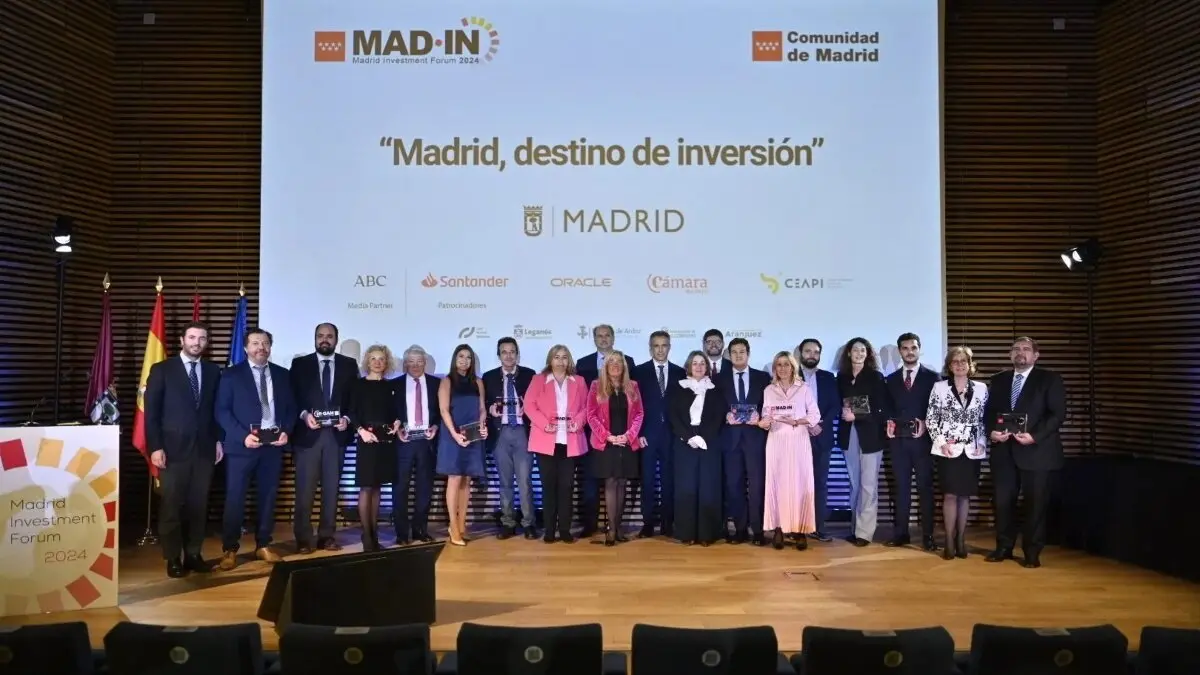
The regional government will hold the third edition of the investment event from 28 to 30 September. Its programme will extend beyond the Spanish capital to present business opportunities in data centres, artificial intelligence, healthcare and security-related industries.
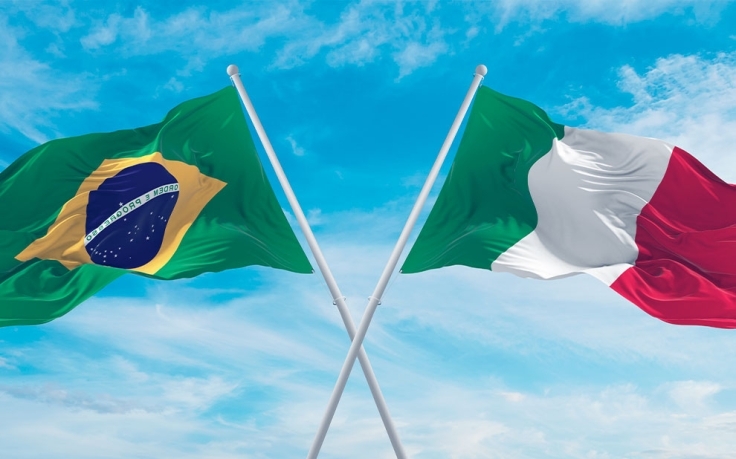
Foreign Minister Antonio Tajani is leading a business delegation that includes Confindustria, ICE, SACE, SIMEST and CDP. Bilateral trade reached €11.07 billion in 2025, while the first figures following the EU–Mercosur agreement show a 22.3% increase in Italian exports to Brazil.
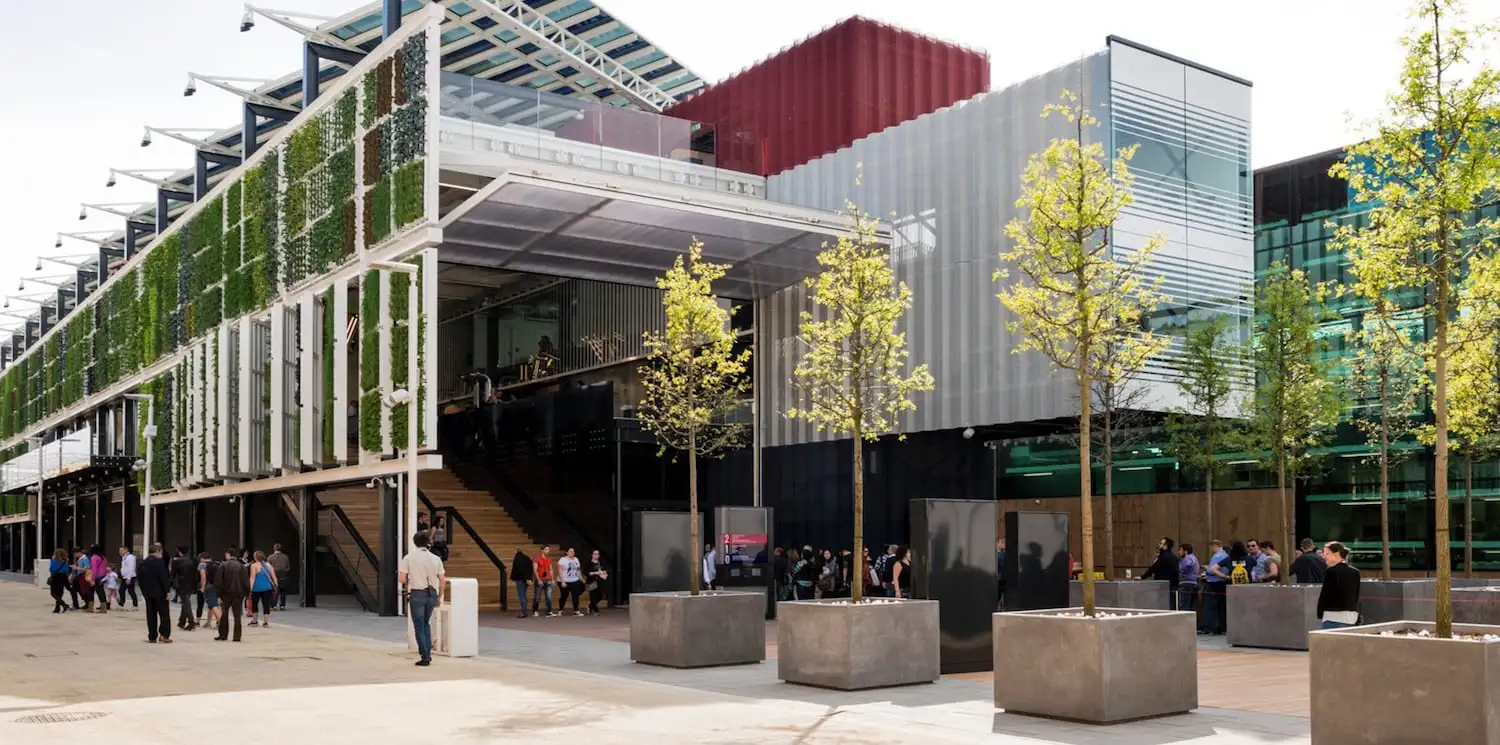
The city-state government wants the majority publicly owned Start-Up Labs Hamburg to acquire and refit the former Expo pavilion, creating a 6,000-square-metre entry point for entrepreneurs, investors and support programmes. The transaction still requires parliamentary approval, and initial occupancy is not expected before April 2027.
The Spanish pharmaceutical group obtained marketing authorisations for empagliflozin medicines in Sweden and Portugal and for octreotide products in the Netherlands. It also reached an agreement to supply its Precyst women’s health supplement in seven Latin American markets and launched two injectable veterinary medicines in Spain.

The Spanish insurance claims consultancy, launched in April with the backing of Miura Partners, has appointed local directors in three markets. The move creates a regional platform for handling complex losses across energy, infrastructure, construction and industry.
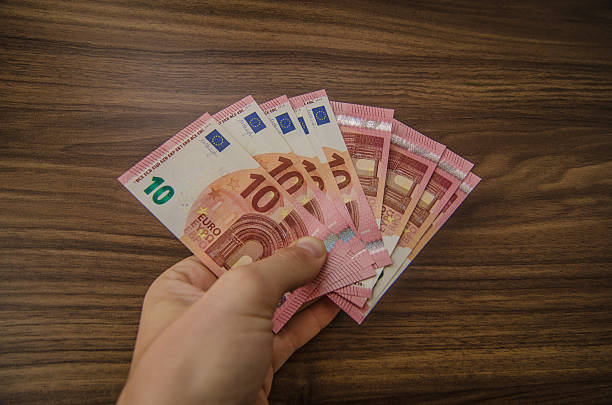
The Italian initiative would shield small businesses from charges on low-value transactions, with negotiators considering either a €0.02 ceiling or a complete exemption. The proposal is not yet EU law and forms part of wider talks over how banks, merchants and the European Central Bank will share the cost of the new payment system.
The Samsung-led Series D is the largest equity fundraising announced by a European technology company. Mistral will use the capital to develop artificial intelligence models, expand its computing infrastructure and build an enterprise platform capable of competing with larger US providers.

The undisclosed investment will support tailored credit products for drivers and couriers, beginning in Mexico before expanding to Chile and Colombia in early 2027. The partnership could lower one of the main barriers to joining the platform economy, but the companies have not disclosed loan costs, eligibility criteria or how worker data will be used.