EU countries back sweeping powers for ESMA in financial markets overhaul
EU member states have agreed to expand ESMA’s direct oversight of major financial market operators, seeking to harmonize supervision and boost cross-border investment.
Trade policies, regulations, and government decisions

EU member states have agreed to expand ESMA’s direct oversight of major financial market operators, seeking to harmonize supervision and boost cross-border investment.

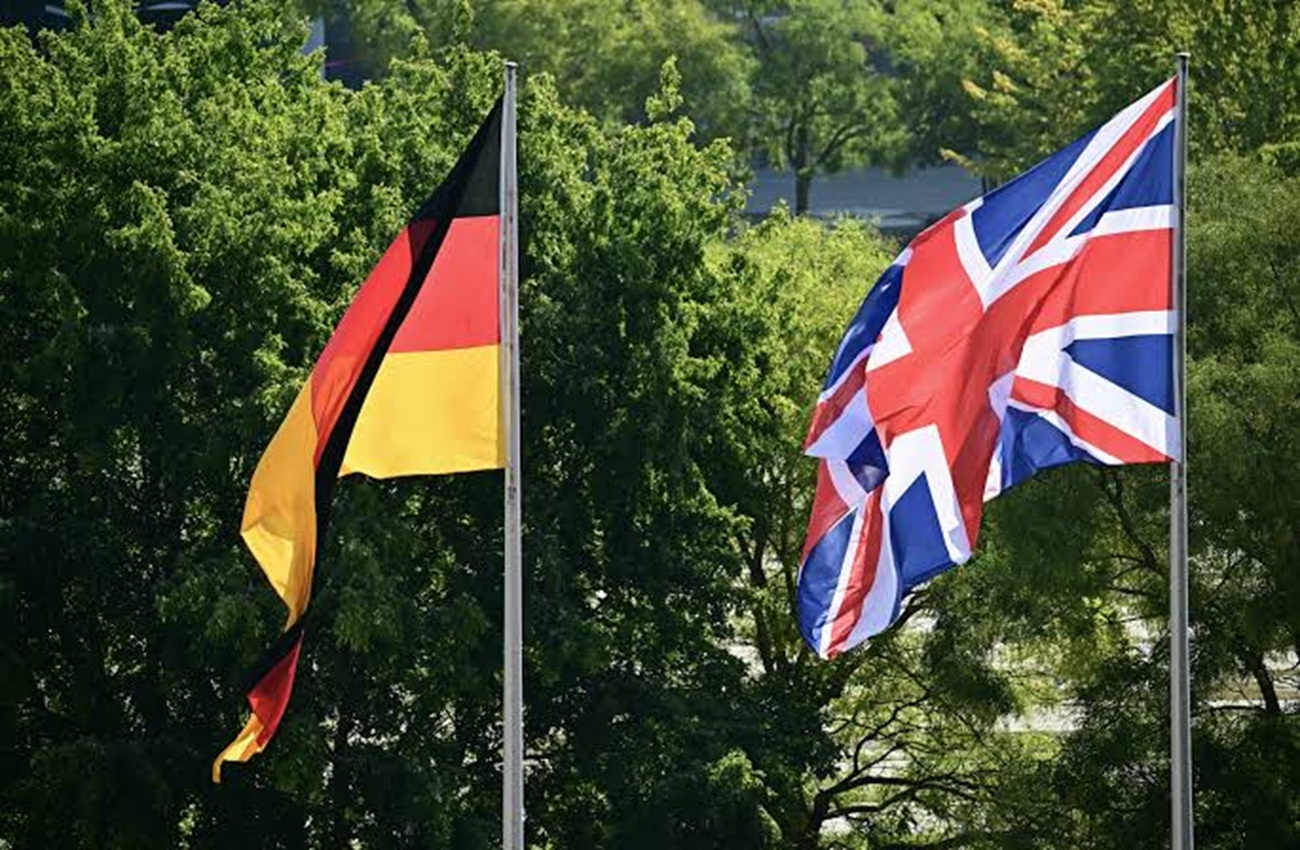
The new UK–Germany industrial tech corridor, launched under the Kensington Treaty, aims to create jobs and drive investment by fostering bilateral partnerships in AI, robotics, fusion energy and quantum technologies.

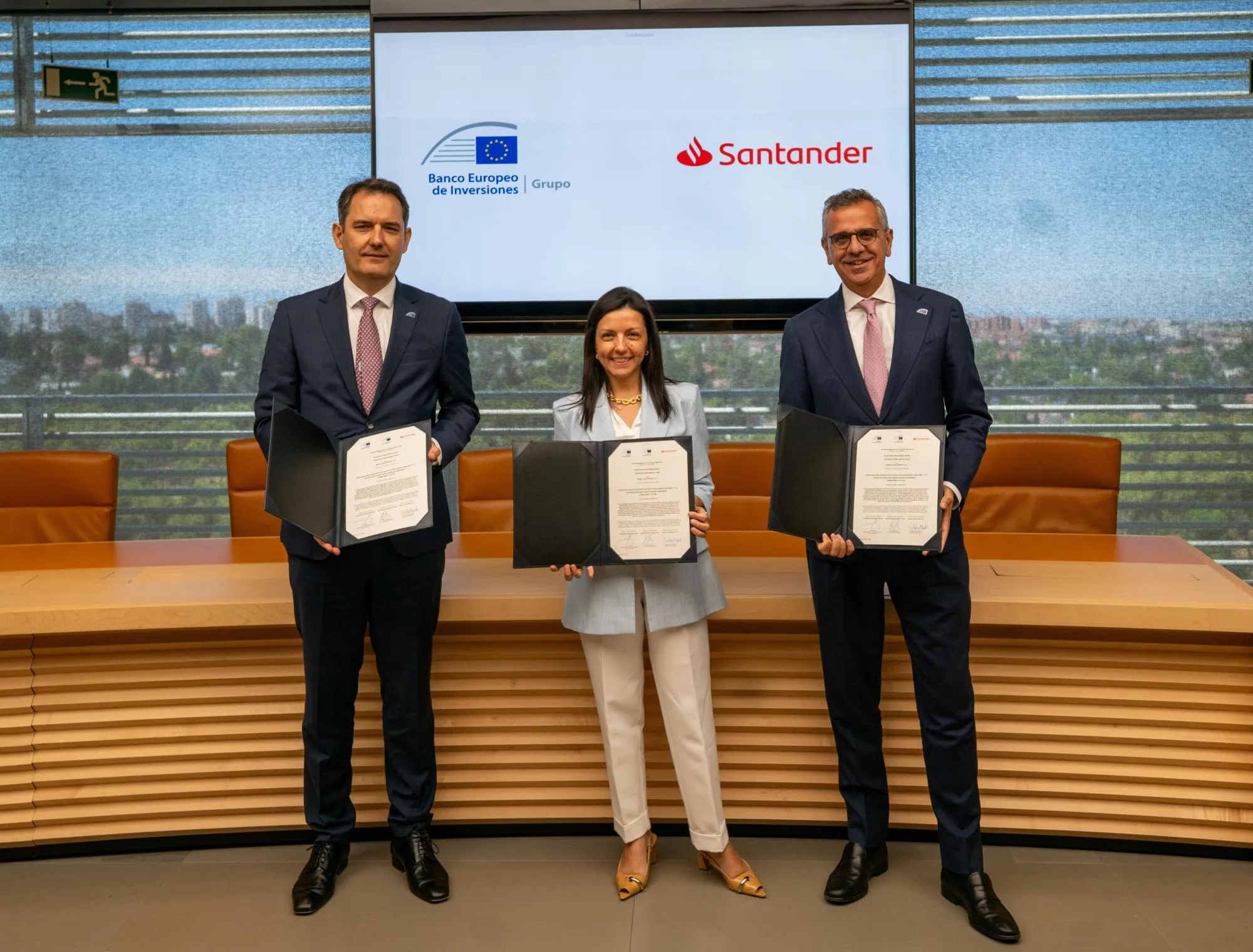
The European Investment Bank and Santander have signed a guarantee agreement to mobilise €300 million in financing for SMEs and mid-caps in the security and defence supply chain, strengthening the EU's strategic autonomy.

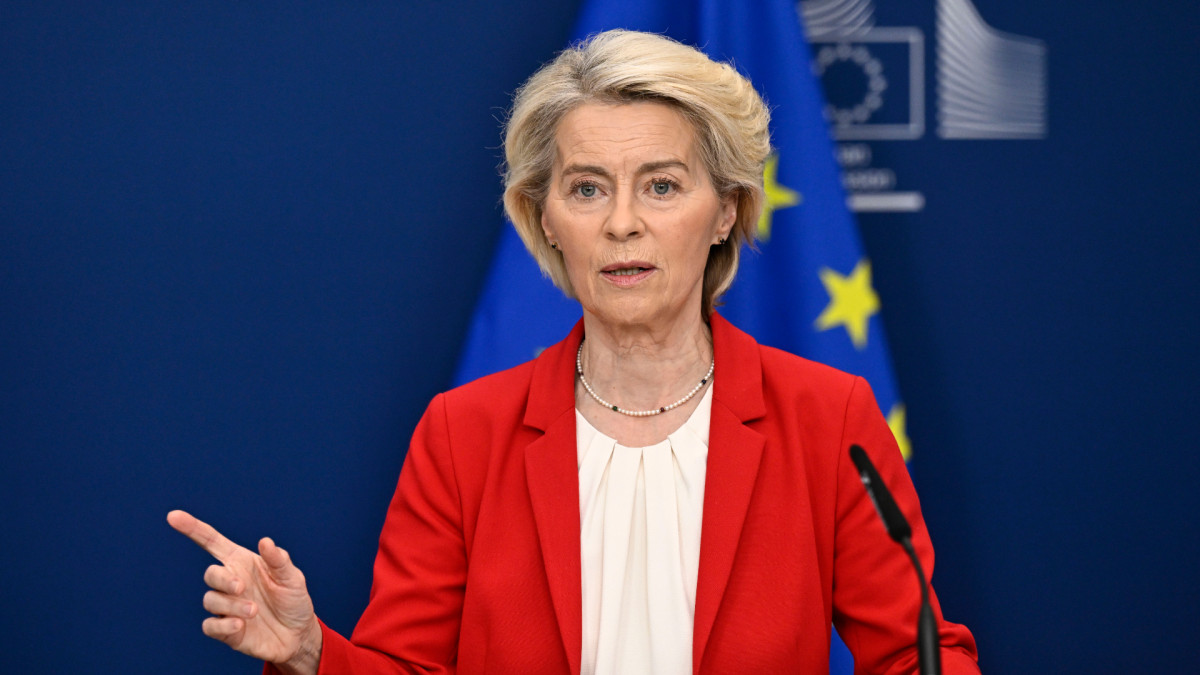
European Commission President Ursula von der Leyen cautioned that proposed EU budget cuts, championed by Germany, risk undermining key policies on competitiveness and energy autonomy as negotiations intensify.

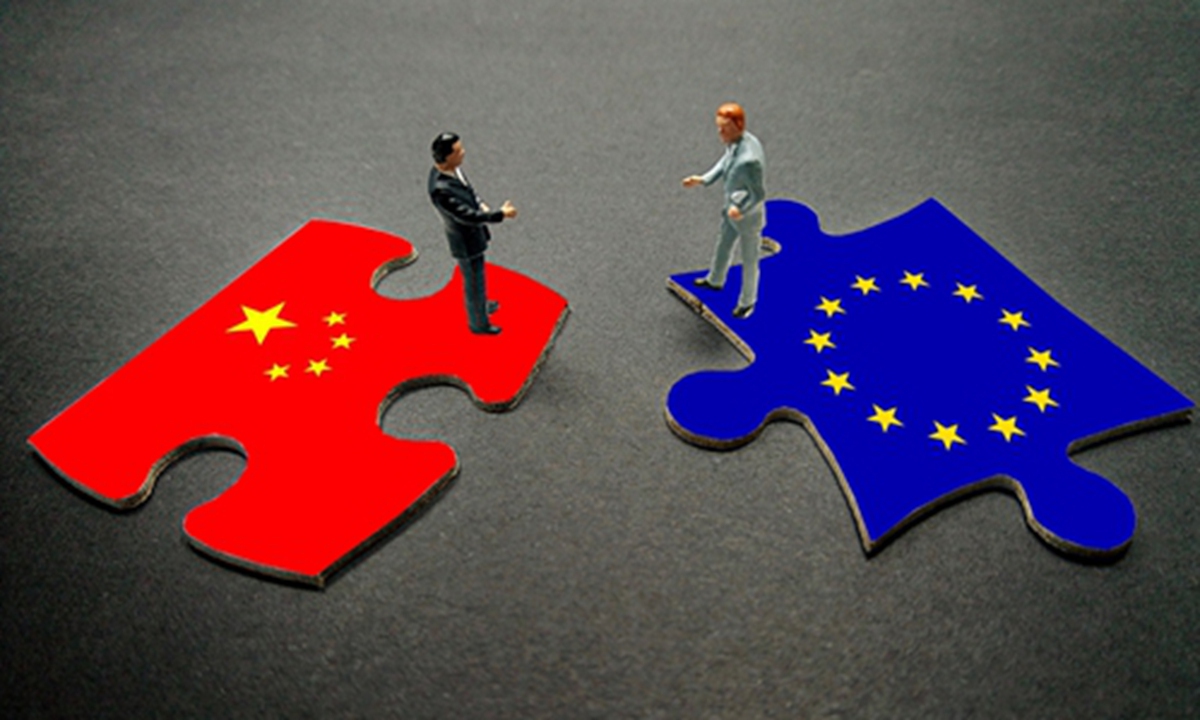
China’s anti-dumping investigation into European chemical exports escalates EU–China trade tensions, with spillover risks and opportunities for Latin America.

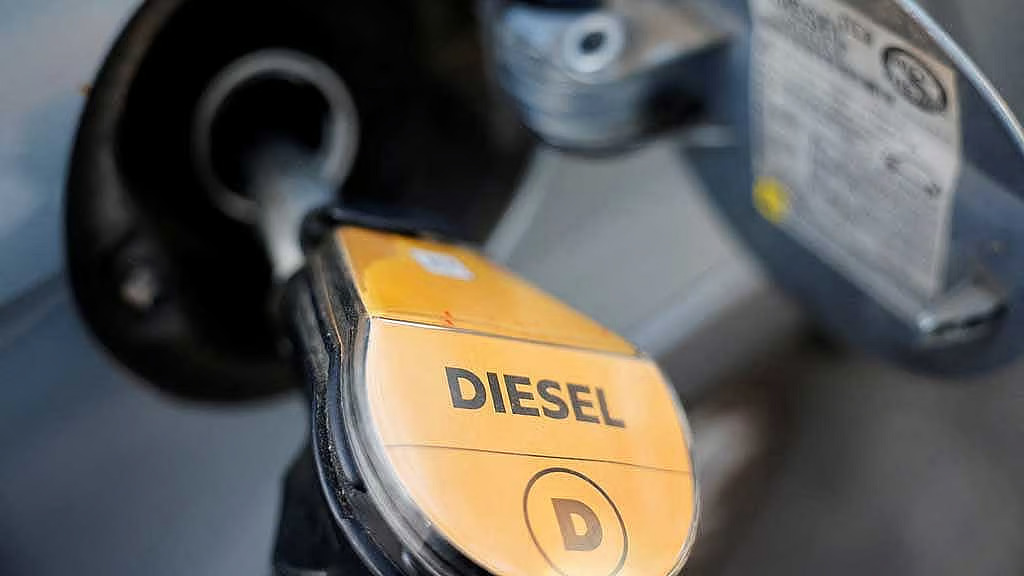
The G7's release of 100 million barrels of diesel, coordinated through the IEA, aims to stabilize world fuel prices amid conflict-driven supply disruptions.

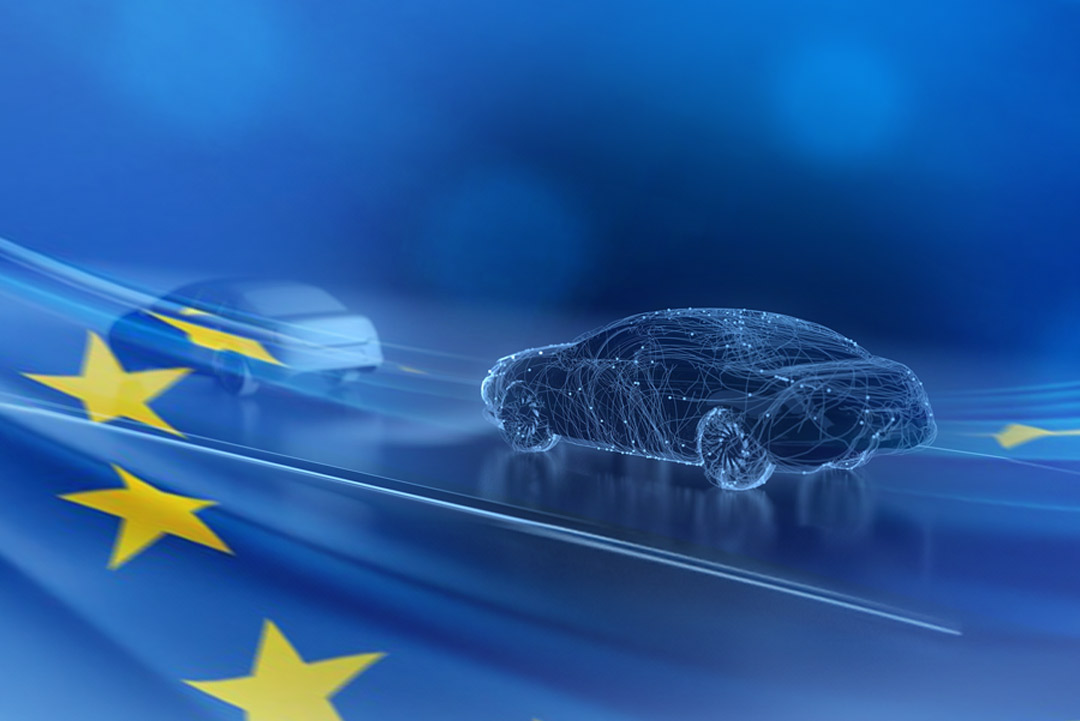
France and Germany are nearing a pivotal agreement on EU car regulations, a move set to reshape the automotive sector and influence trade dynamics with Latin America.

Companies are integrating artificial intelligence into core operations faster than their internal controls can evolve. André Rizzo argues that accountability, workflow redesign and effective governance—not access to technology alone—will determine which businesses turn AI into lasting value.

Brussels is preparing membership action plans with target dates for Montenegro, Ukraine, Moldova, and Albania, aiming to clarify accession steps and bolster regional stability amid geopolitical uncertainty.

The European Investment Bank's €140 million guarantee will enable up to €280 million in new financing for Spanish SMEs and midcaps, with a focus on lower-income regions.

The European Commission has called on EU countries to cut gas and electricity demand as storage levels lag and global supply constraints push energy prices higher.

The European Investment Bank’s €19 million financing supports Reactive Technologies in advancing grid stability and clean energy integration across the EU.

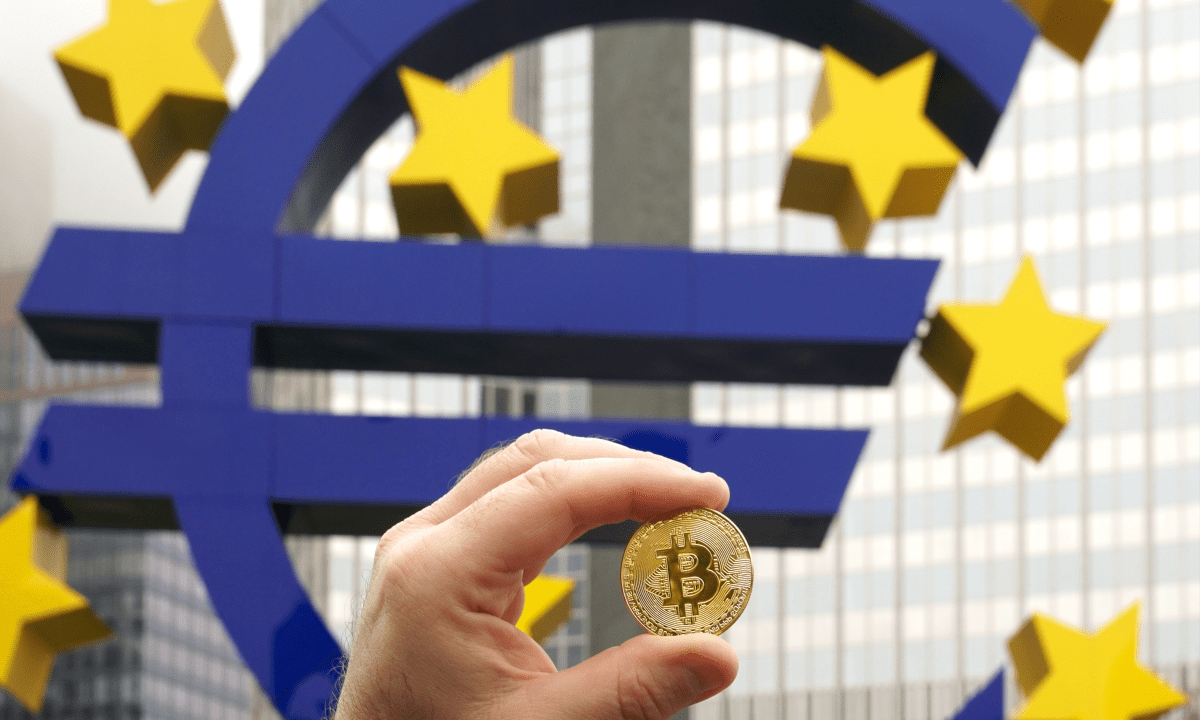
The European Central Bank is pressing for stricter EU crypto regulation, including a broader ban on stablecoin interest and enhanced oversight of dollar-linked tokens.

European Central Bank President Christine Lagarde has blocked Binance from operating in the EU, underlining a stricter regulatory approach to cryptocurrency exchanges and bolstering the case for a digital euro.

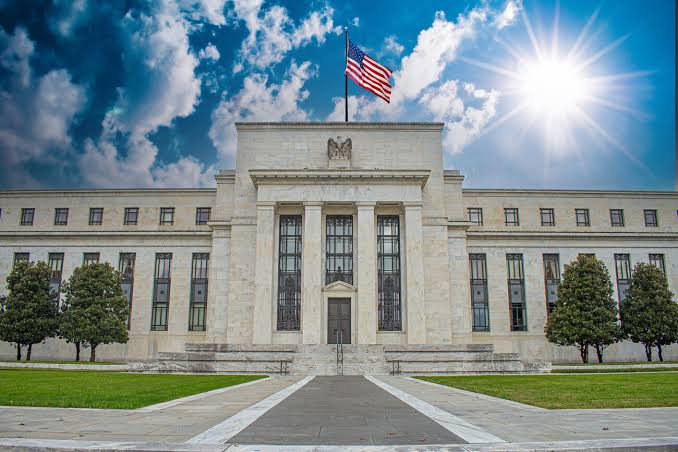
The US central bank increased its benchmark rate by 25 basis points to 3.75%-4.00% in a unanimous decision. Policymakers also signalled that another increase may be needed before the end of 2026.

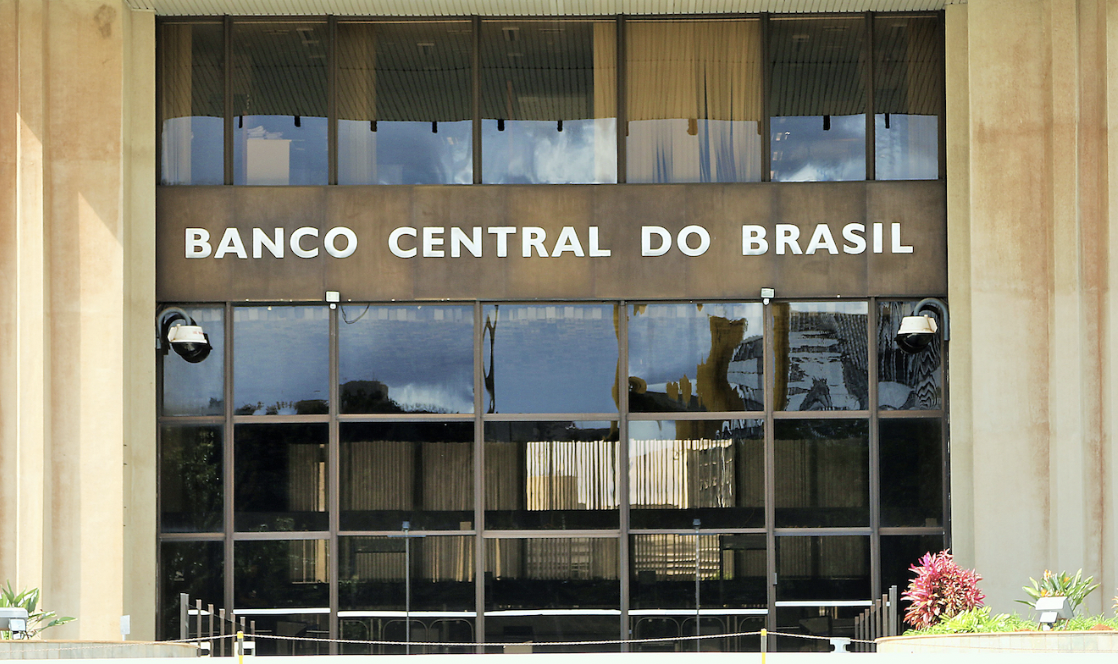
Brazil's central bank is set to lower its key interest rate by 0.25 points to 13.75% in its final move before the presidential vote, a decision with potential implications for business, consumers and the political landscape.

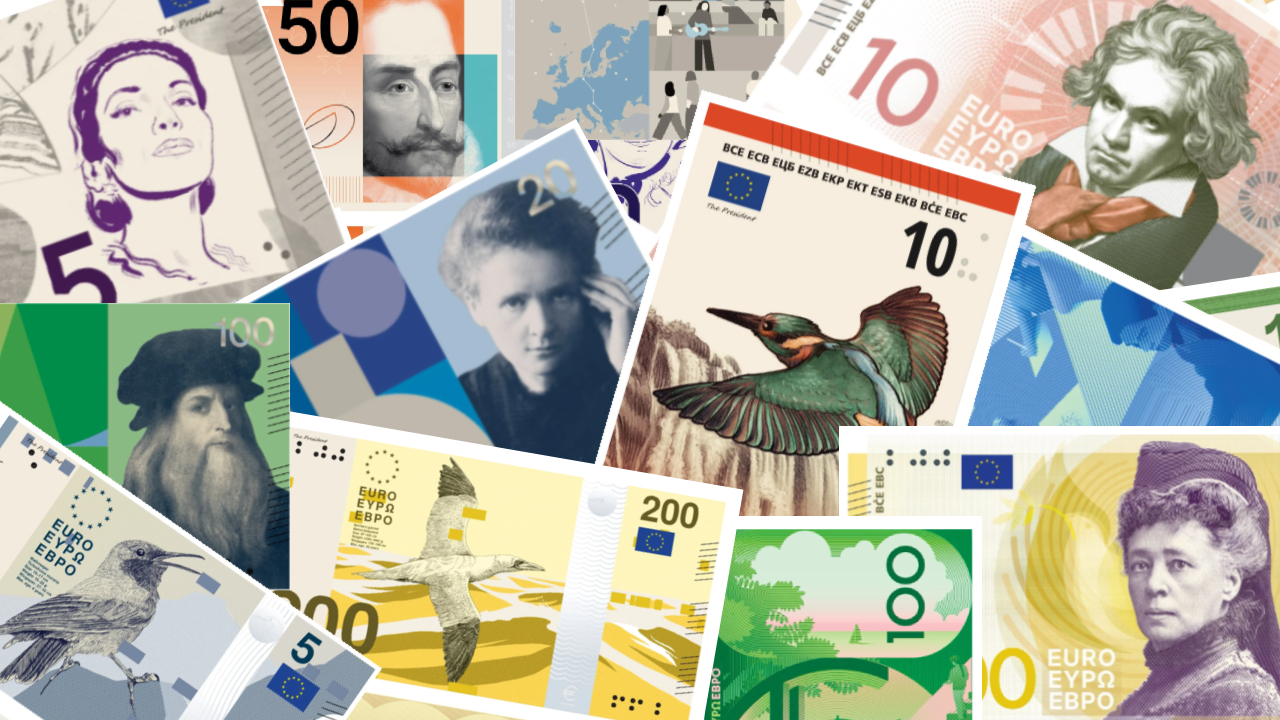
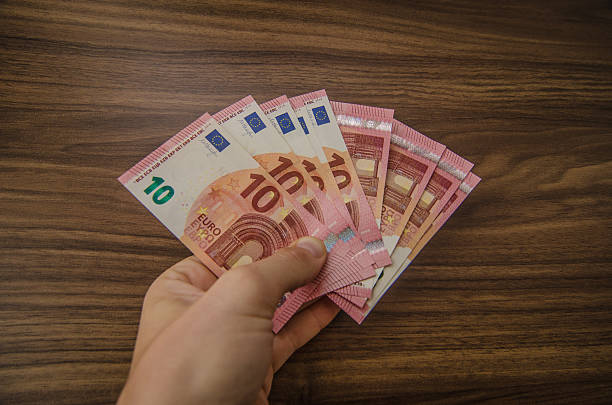
The European Central Bank is seeking public input on new euro banknote designs, with over 9 million Europeans already participating ahead of the 21 September survey deadline.

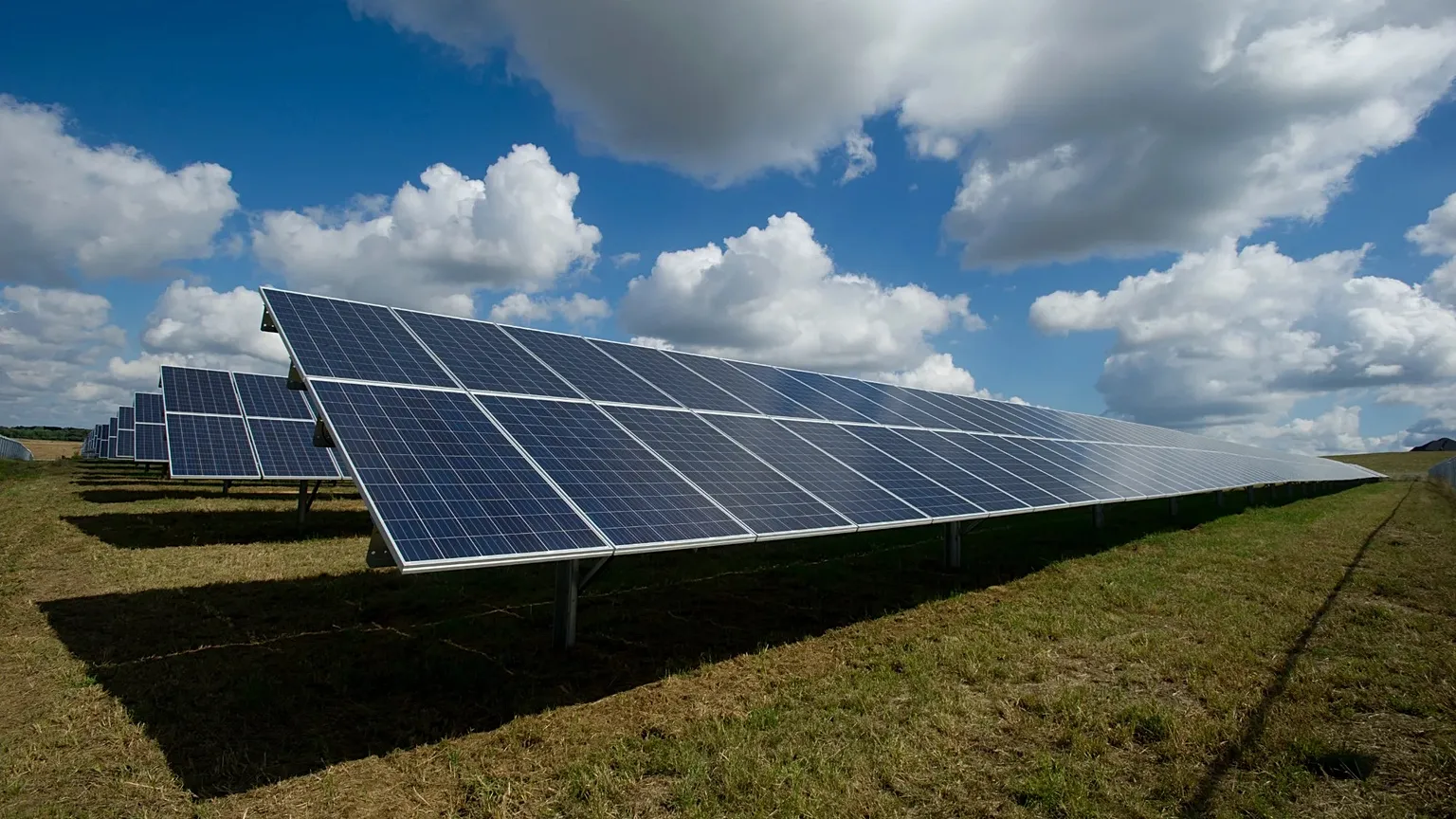
Romania has approved €650 million in subsidies for solar and storage installations at public buildings, aiming to increase energy efficiency and cut costs for state institutions.

The European Central Bank lifted rates to 2.5% as surging oil prices from renewed Middle East conflict drive inflation risks across the eurozone.

The Italian initiative would shield small businesses from charges on low-value transactions, with negotiators considering either a €0.02 ceiling or a complete exemption. The proposal is not yet EU law and forms part of wider talks over how banks, merchants and the European Central Bank will share the cost of the new payment system.

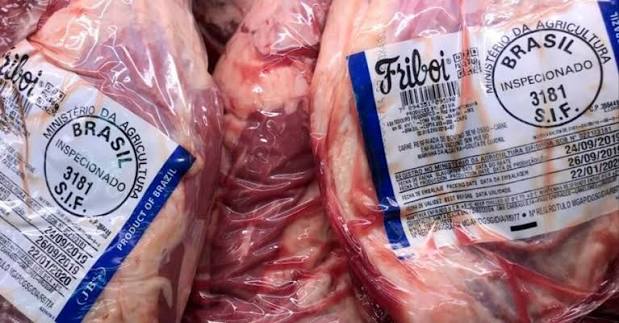
Brussels removed Brazil from its list of approved suppliers over concerns about compliance with EU rules on antimicrobial use, affecting beef, poultry and other animal products. Brazilian authorities are seeking a negotiated solution and have warned that reciprocal measures remain an option.

The European Commission is working on a measure that would prohibit exports of waste, including aluminium scrap, to countries outside the OECD, with limited exceptions for some EU candidates. The proposal, still subject to consultation, would replace a narrower trade mechanism that Brussels concluded could affect only around half of current scrap shipments.

Markets expect another quarter-point increase on 10 September, which would lift the deposit rate to 2.50%. But easing underlying inflation complicates the case for a more aggressive tightening cycle as policymakers assess the impact of the energy shock.

The three services exceeded the threshold of 45 million monthly users in the European Union, triggering additional obligations under the Digital Services Act. ChatGPT will be regulated as a very large online search engine, while Reddit and Roblox have been classified as very large online platforms.

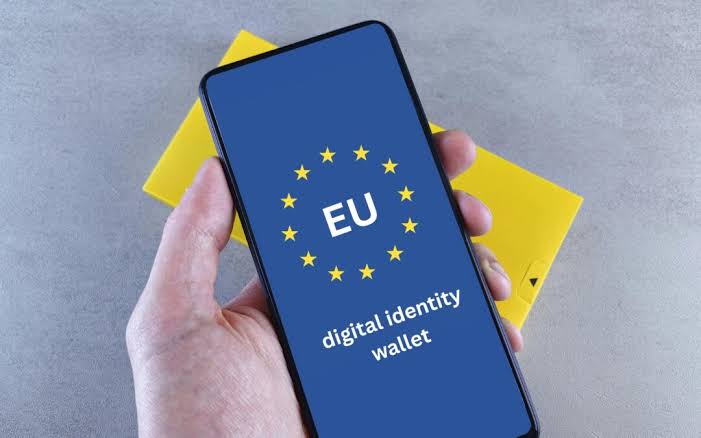
Every European Union member state must make at least one government-recognised digital identity wallet available by the end of 2026. Banks, financial services, utilities, telecommunications companies and other regulated providers will subsequently face acceptance obligations, but differences in national readiness, unfinished certification work and privacy concerns point towards a gradual rather than simultaneous European launch.

Europe is accelerating a network of trade agreements across Latin America, Asia, Australia and the Gulf as geopolitical tensions reshape global commerce. Brussels sees diversification as increasingly essential to competitiveness, supply-chain resilience and reducing strategic dependencies.

Washington is tightening access to the US drone market in an attempt to reduce dependence on foreign technology and rebuild domestic production. European Union manufacturers will face a substantially lower 15% tariff, potentially improving their competitive position against Chinese suppliers in a sector increasingly linked to defence, security and industrial policy.

The Swiss government has launched a public consultation on a new regulatory package that would force banks to link variable remuneration more closely to sustainable long-term performance. The reform would give FINMA stronger enforcement powers and impose tougher requirements on systemically important institutions such as UBS, as Bern continues to overhaul financial supervision following the collapse of Credit Suisse.

The European Commission has authorised the Spanish company’s enzymatically produced eggshell membrane hydrolysate for use in food supplements, opening a new European market for an ingredient obtained from a by-product of the egg industry. The approval allows its use at up to 500 mg per day and gives Eggnovo five years of data protection.

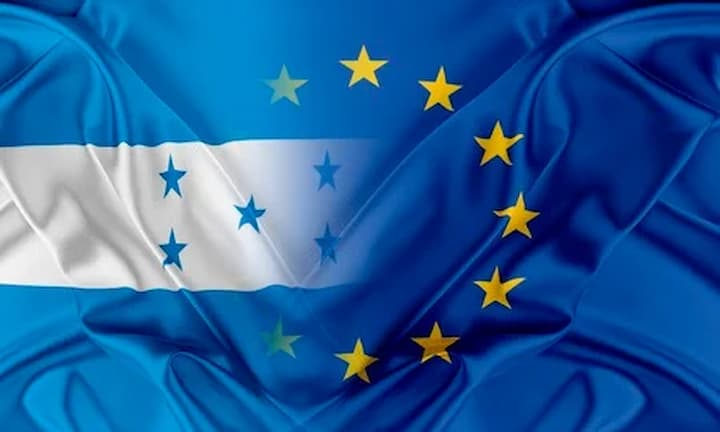
The European Union has consolidated its position as one of Honduras’ key development and investment partners. As EU Head of Mission Cristina Marín concludes three years in the Central American country, bilateral financial commitments stand at €173 million, while more than €250 million in non-repayable European funds are currently being implemented.